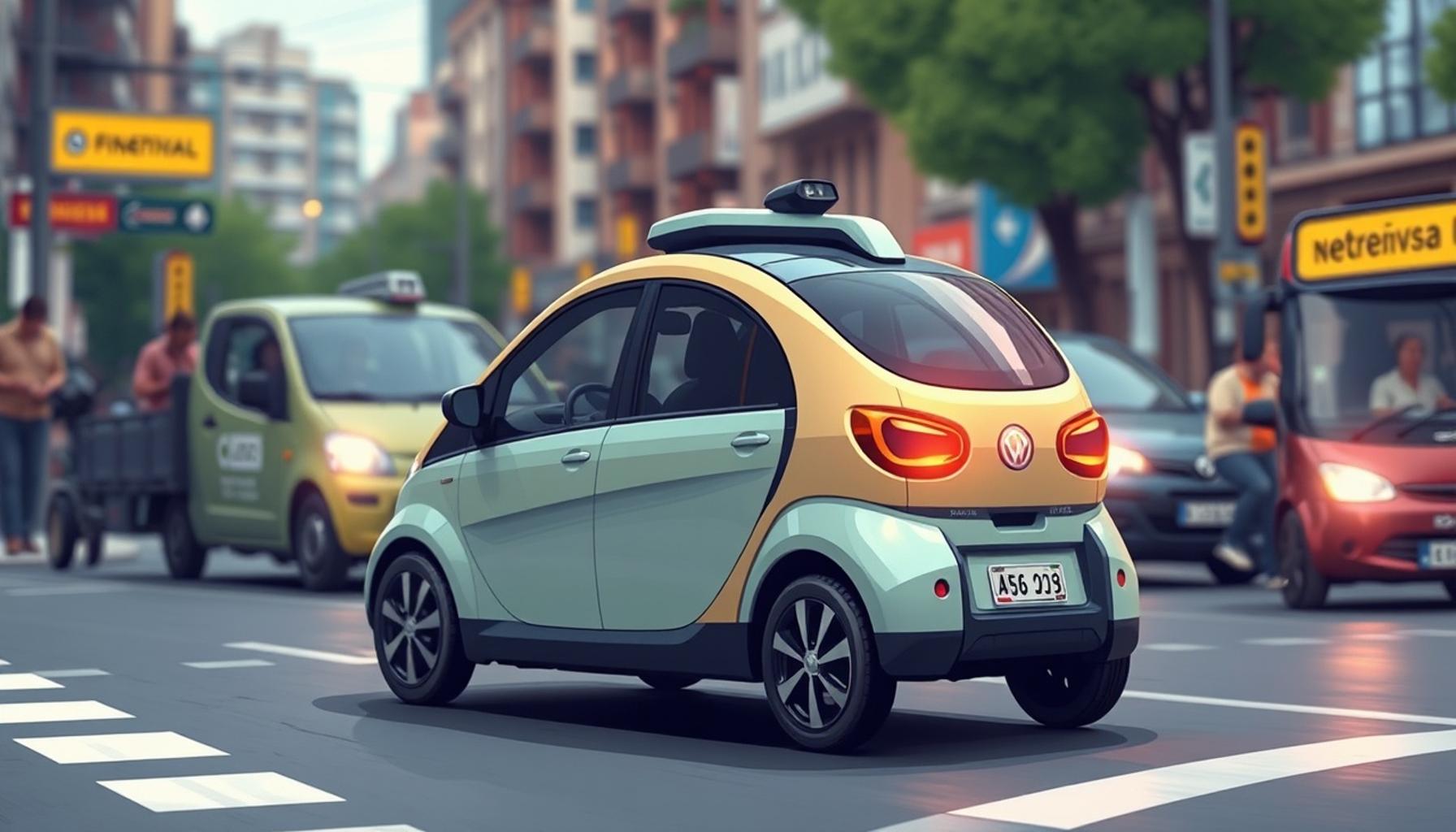
Smart Cities: The Integration of Technology and Sustainability in Future Urbanism
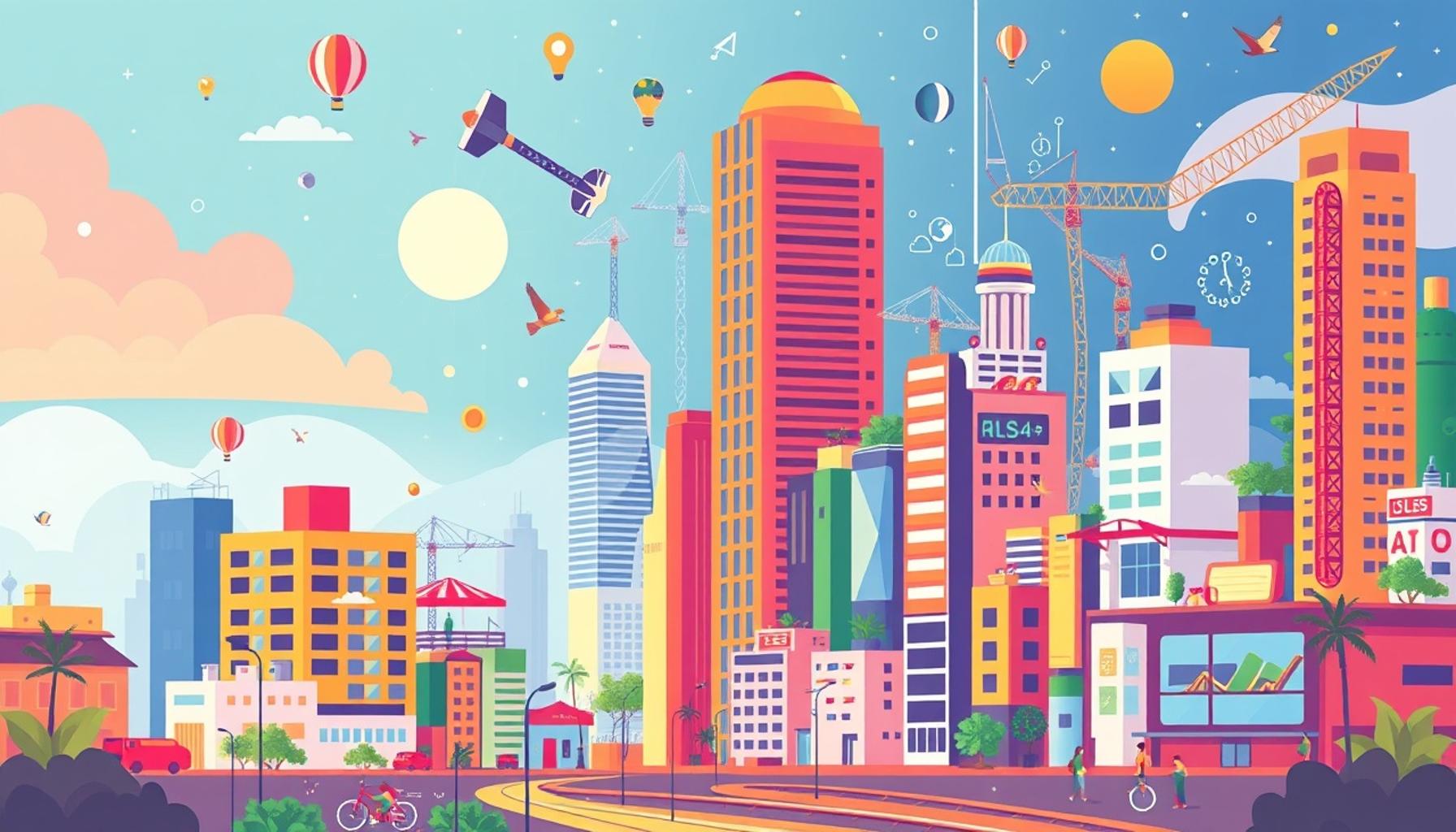
Understanding Smart Cities
As urban areas experience rapid expansion, the concept of smart cities presents itself as a vital strategy to address contemporary issues faced by urban dwellers. Through the strategic fusion of technology and sustainability, smart cities aim not only to enhance the quality of life for residents but also to significantly reduce their environmental footprints.
At the core of smart city development is the integration of advanced technologies designed to optimize various facets of urban living. One of the central components of these cities is connected infrastructure. This involves utilizing the Internet of Things (IoT) devices that continuously monitor and regulate essential resources such as electricity, water, and even transportation systems. For instance, smart streetlights can adjust their brightness based on pedestrian and vehicular activity, thereby conserving energy while maintaining safety.
Key Features of Smart Cities
Another integral feature is smart transportation. With real-time data analytics, transportation systems can minimize congestion and enhance overall traffic flow. An exemplary case is the deployment of adaptive traffic signals that communicate with vehicles to optimize signal timings based on real-time traffic conditions. This technology not only decreases travel times but also lowers emissions associated with idling vehicles.
The commitment to sustainable energy is equally important. Many smart cities incorporate renewable energy sources, such as solar and wind power, into their energy grids. This shift not only addresses energy demands but also aligns with global efforts to combat climate change by decreasing reliance on fossil fuels.
Benefits of Smart Cities
By focusing on sustainability, smart cities yield numerous benefits for residents. For example, the utilization of smart waste management systems can significantly enhance public services. These systems use sensors to monitor trash levels in bins, allowing for more efficient collection routes and schedules, which in turn reduces operational costs and environmental impact.
- Cleaner air as a result of lower emissions from vehicles and industries
- Enhanced public services through efficient resource management and responsive urban planning
- Increased community engagement facilitated by citizen feedback platforms, enabling residents to participate in local decision-making
As we explore the realm of smart cities, it becomes clear that the synergy between innovation and eco-conscious practices has tremendous potential to redefine urban landscapes. This journey is not solely about creating smarter infrastructures; it is fundamentally about fostering livable, resilient communities that are equipped to thrive in an increasingly complex world.
Ultimately, the emergence of smart cities represents a forward-thinking approach to urban living, where modern challenges are met with sophisticated solutions. By fundamentally transforming the interaction between residents and their environments, smart cities can pave the way for a more sustainable future while enhancing the daily experiences of urban inhabitants.
DISCOVER MORE: Click here to learn how to apply
Core Components Driving Smart City Innovations
One of the most significant aspects of smart cities is their focus on developing and implementing advanced technological solutions that prioritize sustainability. This integration means not merely applying technology for efficiency’s sake, but rather, pairing it with eco-friendly practices to cultivate a healthier urban environment. As cities evolve, it is essential to look closely at the core components that drive these innovations.
Connected Technologies for Urban Management
At the heart of smart city initiatives is the deployment of connected technologies. These systems leverage data collected from various sources to enable better management and service delivery. For example, smart grids utilize IoT devices to monitor electricity consumption in real-time. By analyzing usage patterns, utilities can predict peak demand times and distribute energy more efficiently, which can lead to lower energy costs for residents while reducing carbon emissions.
Moreover, sensors embedded throughout a city can monitor air quality, temperature, and noise levels. This data allows city planners to make informed decisions regarding urban development and public health. For instance, if air quality sensors indicate elevated pollution levels in a particular area, urban planners can adjust traffic flow or invest in green spaces, ultimately improving the quality of life for residents.
Innovative Water Management Solutions
Another significant challenge in urban areas is water management. Smart cities are adopting advanced water management solutions, such as smart irrigation systems and leak detection sensors. In cities where water scarcity is a concern, smart irrigation systems can optimize the amount of water used for landscaping, ensuring that resources are utilized efficiently while maintaining green spaces. Leak detection sensors also play a vital role; by identifying leaks in real-time, cities can address water losses quickly, conserving this precious resource and maintaining sustainable water use.
Green Spaces and Urban Biodiversity
Smart cities are also prioritizing the integration of green spaces within urban environments. These areas not only enhance aesthetic value but also contribute to biodiversity and community well-being. Studies have shown that access to green spaces correlates with reduced stress and improved mental health among urban residents. Smart technologies can support the maintenance and expansion of these green areas by monitoring plant health and ensuring adequate irrigation, all while promoting the growth of native vegetation that supports local ecosystems.
In addition to the immediate benefits for wellbeing and biodiversity, the introduction of green spaces in smart cities can help mitigate urban heat islands, a phenomenon where urban areas become significantly warmer than their rural surroundings. With appropriate planning and technology, cities can counteract this effect, leading to cooler temperatures and enhanced livability.
The embrace of technology within the realm of sustainability is reshaping urban living. As cities adopt these various connected technologies and prioritize sustainable practices, they create environments that not only meet current needs but also pave the way for a resilient future.
DISCOVER MORE: Click here to learn about the latest innovations in urban mobility</p
Enhancing Citizen Involvement and Urban Mobility
As smart cities embrace technology, they also seek to enhance citizen involvement in urban governance and planning. This participatory approach ensures that residents play an active role in the development and sustainability of their communities. Through digital platforms and mobile applications, citizens can provide feedback on urban issues, report problems like potholes or malfunctioning streetlights, and even propose ideas for new green initiatives.
For instance, cities like San Francisco have implemented platforms that encourage public input on local projects, such as the development of new bike lanes or the installation of solar panels on municipal buildings. This open communication fosters a sense of community involvement and empowers residents to become champions of sustainability, ensuring that urban strategies align with public needs and priorities.
Smart Transportation Systems
Another crucial aspect of smart cities is the implementation of smart transportation systems. These systems utilize real-time data to improve mobility solutions, reduce traffic congestion, and promote public transit. For example, cities like Los Angeles are integrating real-time traffic information with navigation apps, allowing drivers to avoid congested routes and reducing carbon emissions linked to idling vehicles.
Furthermore, the promotion of public transportation and electric vehicles (EVs) is critical for a sustainable urban future. Smart cities encourage public transit use through the development of user-friendly applications that provide schedules, routes, and real-time updates. Cities are also investing in EV infrastructure, such as expanded charging stations, to reduce reliance on fossil fuels. These innovations not only lower emissions but also contribute to the overall efficiency and effectiveness of urban mobility.
Renewable Energy and Smart Buildings
Renewable energy sources, such as solar and wind, are integral to the sustainability framework of smart cities. Cities are increasingly adopting smart building technologies that optimize energy usage. These buildings, equipped with automation systems, can control lighting, heating, and cooling based on occupancy and usage patterns, leading to significant energy savings.
For example, Seattle is at the forefront of constructing green buildings that feature solar panels and energy-efficient materials, which not only lower energy bills for residents but also contribute to the city’s overall sustainability goals. Such buildings can produce more energy than they consume, creating a surplus that can be fed back into the grid, further enhancing the resilience and sustainability of urban infrastructure.
Data-Driven Decision Making
Finally, data-driven decision-making is fundamental to the success of smart cities. The vast amounts of data generated by connected devices and sensors provide city officials with insights into everything from traffic patterns to waste management. With this information, urban planners can make informed decisions to allocate resources effectively and create strategies that minimize environmental impact.
In Boston, for example, city officials utilize a platform called “CityScore” to monitor various metrics related to urban performance, such as crime rates, cleanliness, and transportation efficiency. This constant evaluation allows cities to adapt and respond dynamically to evolving challenges and needs. By prioritizing data-driven insights, urban areas can ensure that development aligns with the principles of sustainability and enhances the quality of life for all residents.
The advancements in technology and sustainability within smart cities promise not only to improve urban living but also to create more resilient and equitable environments. With ongoing innovations, the future of urbanism looks increasingly brighter, showcasing a harmonious blend of technology and sustainability.
DISCOVER MORE: Click here to learn how
Conclusion
In conclusion, the evolution of smart cities marks a significant turning point in urban development, where the fusion of technology and sustainability lays the foundation for more livable, efficient, and resilient urban environments. By harnessing the power of data and innovative technologies, cities can address pressing challenges such as traffic congestion, energy consumption, and environmental degradation effectively.
The emphasis on citizen engagement empowers residents, enabling them to prioritize the needs of their communities and advocate for sustainable practices. With smarter transportation systems and renewable energy solutions, cities not only enhance mobility but also reduce their carbon footprints, ensuring a healthier planet for future generations. The integration of smart building technologies further underscores the potential to optimize resource use and create energy-efficient urban landscapes that work in harmony with their surroundings.
Ultimately, embracing a data-driven approach allows city planners to make informed decisions that reflect the realities of urban life, leading to a dynamic and adaptable city framework. As we look to the future, the journey towards smart cities continues to unfold, highlighting the importance of collaboration, innovation, and sustainability in shaping urbanism. By committing to these principles, we can build cities that not only thrive today but are also prepared to face the challenges of tomorrow, ensuring that all residents can enjoy a high quality of life in a sustainable manner.

Linda Carter
Linda Carter is a writer and expert known for producing clear, engaging, and easy-to-understand content. With solid experience guiding people in achieving their goals, she shares valuable insights and practical guidance. Her mission is to support readers in making informed choices and achieving significant progress.