
The Revolution of Autonomous Vehicles: Challenges and Opportunities for Urban Transport
Understanding the Shift in Urban Transportation
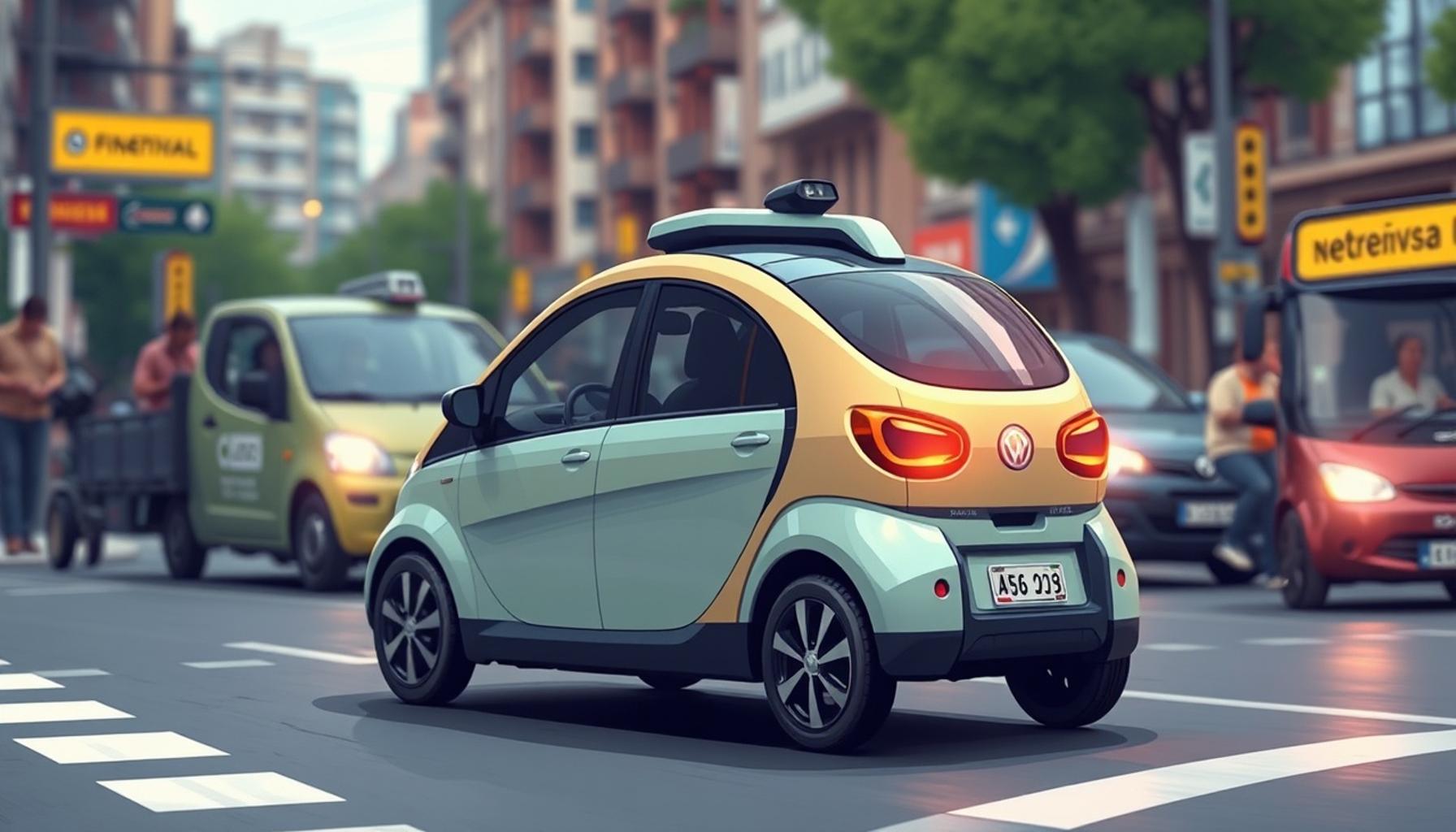
The emergence of autonomous vehicles is fundamentally shifting the landscape of urban transport. As technology progresses, cities are presented with both exciting opportunities and significant challenges. Understanding these can help municipalities adapt and thrive in this new era.
Key opportunities presented by autonomous vehicles include:
- Reduced Traffic Congestion: Self-driving cars can communicate with each other through vehicle-to-vehicle (V2V) communication systems, optimizing traffic flow and reducing bottlenecks. For example, in cities like San Francisco and Los Angeles, the implementation of autonomous vehicle technology could lead to smoother traffic patterns during rush hour, where vehicles can automatically adjust speeds to maintain an even flow, thereby reducing the typical stop-and-go congestion.
- Enhanced Safety: Autonomous vehicles aim to decrease human errors, which account for approximately 94% of road accidents, according to the National Highway Traffic Safety Administration (NHTSA). By relying on advanced sensing technologies and algorithms, these vehicles can react faster than humans in emergency situations. For instance, a study by the Boston Consulting Group suggested that self-driving cars could reduce traffic fatalities significantly, by adhering strictly to traffic laws and communicating effectively with other road users.
- Accessibility: These vehicles can serve those unable to drive, including the elderly and disabled. Autonomous ride-sharing services could emerge, making it easier for individuals who cannot access traditional transportation due to health issues or mobility restrictions. Cities like Orlando, Florida, are already piloting programs to test autonomous shuttles that connect communities to public transit, elevating the quality of life for residents without reliable transportation options.
However, the challenges are considerable:
- Regulatory Hurdles: Governments must create laws and guidelines to safely integrate autonomous vehicles into existing traffic systems. This includes establishing liability rules in the event of accidents, defining insurance obligations, and developing safety standards for autonomous technology.
- Infrastructure Needs: Cities may require significant updates to roads and systems to accommodate these new technologies. For example, deploying smart traffic signals and dedicated lanes for autonomous vehicles can ensure their safe and efficient operation. Urban planners may also need to consider redesigning intersections to minimize risks associated with mixed traffic environments.
- Public Trust: Gaining public acceptance is crucial as apprehensions about safety and job displacement arise. Many people may still harbor skepticism about the reliability and safety of autonomous vehicles. Public education campaigns and transparency regarding safety measures and test results will be essential in building trust and encourage widespread adoption.
In this article, we will explore how urban transport can adapt to these changes, embracing the possibilities while addressing the concerns. By examining case studies and expert insights, we’ll discuss what the future holds for transport in America and beyond, focusing on innovative solutions that address both the opportunities and challenges presented by autonomous vehicles.
DISCOVER MORE: Click here to learn how to score free electronics!
Opportunities: Embracing a New Era of Urban Mobility
The implementation of autonomous vehicles (AVs) in urban transportation represents a watershed moment that could redefine how people navigate cities. By capitalizing on this transformative technology, cities can enhance their transportation systems in the following ways:
- Environmental Benefits: With the transition to electric autonomous vehicles, there is potential for a substantial decrease in greenhouse gas emissions. Conventional vehicles contribute significantly to urban air pollution; however, AVs paired with electric powertrains can significantly reduce this impact. Take, for instance, cities like San Diego, which have committed to integrating electric autonomous shuttles into their public transit systems, aiming for cleaner air and a smaller carbon footprint.
- Cost Efficiency: Autonomous vehicles can lead to lower operational costs. Ride-sharing companies like Waymo and Uber are exploring the deployment of AV fleets, which can save on the high costs associated with human drivers. This cost-saving potential could translate into more affordable ride-sharing options for passengers and reduce overall transportation expenses in urban areas. For example, in cities with high demand for transportation, such as New York City, the widespread use of autonomous vehicles might lower fares and make transportation more accessible to all income levels.
- Integration with Smart City Infrastructure: AV technology provides an excellent opportunity to integrate with smart city initiatives aimed at using data to improve urban life. This can include everything from traffic flow management to environmental monitoring. A city like Los Angeles is already experimenting with autonomous vehicles that communicate with smart traffic signals, optimizing routes in real time based on traffic conditions—thus improving travel efficiency and reducing travel time for commuters.
Despite the promising opportunities presented by autonomous vehicles, urban areas also face a set of challenges that must be addressed to ensure their successful implementation:
- Public Policy and Governance: The swift advancement of technology often outpaces legislation. City governments will need to craft comprehensive policies suitable for governing the use of autonomous vehicles. This includes understanding who should be responsible in the event of accidents or malfunctions. Establishing clear regulations that ensure safety while encouraging innovation is essential to the successful rollout of autonomous transport solutions.
- Economic Impact: With the growth of autonomous vehicles, certain job sectors may experience significant disruptions. Taxi drivers, delivery personnel, and truck drivers could face job displacement as industries adapt to automation. Addressing this concern will involve rethinking workforce development and offering retraining programs to those affected, as seen in discussions around the impact of automation in sectors such as manufacturing.
- Technological Limitations: While autonomous technology has made great strides, it still faces limitations, particularly in complex urban environments. Challenges such as sudden changes in weather, construction zones, and unpredictable pedestrian behaviors could hinder the reliability of AVs. Developers will need to continue refining artificial intelligence and sensor technology to tackle these issues effectively.
The future of urban transport, enriched by autonomous vehicles, holds both remarkable opportunities and challenging obstacles. Understanding these dynamics is essential for city planners, policymakers, and the public to create a harmonious balance between innovation and responsible governance.
DISCOVER MORE: Click here to learn about the rise of generative AI
Challenges: Navigating a Complex Landscape
While the advantages of autonomous vehicles (AVs) are compelling, the journey toward their integration into urban transport systems is far from straightforward. Several challenges need to be addressed for this technology to fulfill its potential:
- Public Trust and Acceptance: For widespread adoption of autonomous vehicles to occur, public confidence in their safety and reliability is crucial. High-profile incidents, such as accidents involving AVs during testing phases, can create apprehension among potential users. Educational campaigns that raise awareness about the benefits and safety measures of AVs, as well as transparent communications from manufacturers regarding the technology’s progress, will be vital in building trust. Successful examples can be seen in regions where local governments and companies conduct pilot programs, allowing citizens to experience AVs firsthand and dispel misconceptions.
- Infrastructure Adaptations: Current urban infrastructure is primarily designed for human-operated vehicles, which raises questions about its compatibility with AVs. Streets may need significant modifications, including dedicated lanes or smart traffic signals that communicate with AVs. For instance, cities like Pittsburgh are already working to adapt their infrastructure to accommodate AV testing. Investments in infrastructure must be prioritized to ensure that roadways, intersections, and signage are conducive to safe AV operation.
- Data Privacy and Security Concerns: The data generated by autonomous vehicles can offer valuable insights for urban planning and traffic management; however, it also raises serious questions about data privacy and cybersecurity. AVs rely on vast amounts of data, including route plans and personal information about users. The potential for data breaches poses risks not only to individuals but also to public trust in this technology. Regulatory frameworks need to be established to protect users’ information while promoting data sharing for mobility improvements. Cities like San Francisco are grappling with these issues as they promote AV technology while safeguarding resident privacy.
- Equity and Accessibility Issues: The deployment of autonomous vehicles may inadvertently exacerbate existing inequalities if not implemented thoughtfully. For instance, affluent neighborhoods may see more AV services while lower-income areas may be left behind, limiting access to affordable transportation. It is essential for cities to ensure that AVs do not widen the gap in transportation equity. As seen in Dallas, where outreach programs have been initiated to develop inclusive AV services specifically for underserved communities, proactive measures can help create an equitable transport landscape.
- Legal and Liability Frameworks: Questions surrounding liability in the case of accidents involving AVs require careful consideration. Unlike traditional accidents where liability often falls on the human driver, determining fault in an AV incident can be complex—will it be the manufacturer, the software developer, or even the vehicle owner? Establishing a clear legal framework is necessary to address these issues. Industry leaders and policymakers will need to collaborate to ensure that regulations adapt efficiently as AV technology continues to evolve rapidly.
As urban centers forge ahead with the incorporation of autonomous vehicles, acknowledging and tackling these challenges will be integral to creating an effective, fair, and sustainable transportation future. With a balanced approach that emphasizes safety, accessibility, and efficiency, cities can navigate the complexities that lie ahead while reaping the benefits of this innovative technology.
DIVE DEEPER: Click here to enhance your retirement strategy
Conclusion: Paving the Way for a Smarter Future
As we stand on the cusp of a new era in urban transportation, the revolution of autonomous vehicles (AVs) holds immense promise for reshaping how we navigate our cities. While the benefits of improved safety, reduced congestion, and enhanced mobility for all demographics are enticing, it is crucial to address the challenges highlighted throughout this discussion. Building public trust through transparent communication, adapting infrastructure to meet the needs of AVs, and ensuring data privacy will all play vital roles in fostering acceptance among policymakers and residents alike.
Moreover, it is essential that we proactively work towards equitable access to AV technology to prevent deepening existing social divides. Cities must prioritize inclusive planning that considers the needs of underserved communities. In parallel, establishing clear legal frameworks to outline liability in AV-related incidents will help alleviate concerns among stakeholders and protect consumers. By embracing a collaborative approach that includes industry leaders, communities, and government agencies, we can create a sustainable transport model that not only enhances mobility but also promotes social equity.
Ultimately, the integration of autonomous vehicles into urban transport systems represents more than just a technological advancement. It is a unique opportunity to foster innovation and inclusivity within our cities. As we navigate this transformative journey, the focus must remain on leveraging AV technology to create a safer, smarter, and more equitable future for all urban residents.

Linda Carter
Linda Carter is a writer and expert known for producing clear, engaging, and easy-to-understand content. With solid experience guiding people in achieving their goals, she shares valuable insights and practical guidance. Her mission is to support readers in making informed choices and achieving significant progress.