Menu

The Rise of Phishing: How to Protect Your Personal Data in Times of Uncertainty

In today's digital landscape, the surge of phishing attacks poses significant risks to personal data, especially during uncertain times. Understanding phishing tactics and adopting proactive protection measures, such as verifying sources and utilizing multi-factor authentication, are essential for safeguarding sensitive information against cyber threats. Stay informed and secure your data.

Cybersecurity at Home: Protecting Your Family in a Digital World

In today’s digital landscape, safeguarding your family’s cybersecurity is essential. With rising threats such as phishing, malware, and ransomware, proactive measures like strong passwords, software updates, and open communication are crucial. Educating family members about online risks promotes a secure environment, ensuring safety in the digital world.

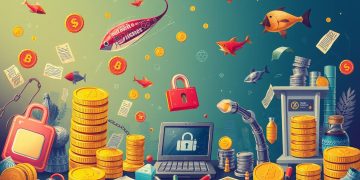
Privacy at Risk: The Role of Social Media in Online Security

In the digital age, social media significantly impacts online security, often putting user privacy at risk. Oversharing and data mining raise concerns about personal information exposure. Users must actively manage privacy settings and remain vigilant to safeguard against identity theft and misuse of personal data.

The Evolution of Multi-Factor Authentication: A Necessary Defense in the Digital Age

As cyber threats intensify, multi-factor authentication (MFA) has evolved into a crucial security measure. By requiring multiple verification methods—ranging from passwords to biometrics—MFA significantly enhances online account protection, adapting to user needs while combating sophisticated cybercrime. User education remains vital for effective implementation.

Navigating Privacy Policies: What Americans Need to Know About Data Collection

In today's digital landscape, understanding privacy policies is essential for Americans concerned about data collection. This guide highlights key elements of privacy agreements, consumer rights, and the importance of data protection. Empower yourself to navigate online services safely and safeguard your personal information effectively.

The Future of Biometric Authentication: Balancing Security and Privacy

Biometric authentication is transforming security by using unique physical traits for identity verification. While offering enhanced security, it raises privacy concerns, especially regarding data misuse. As regulations evolve, striking a balance between robust security measures and individual privacy rights remains crucial for public trust and responsible data handling.

The Role of Artificial Intelligence in Enhancing Online Security

Artificial intelligence is revolutionizing online security by providing real-time threat detection, automated responses, and predictive analytics. Its ability to analyze patterns and adapt to evolving cyber threats empowers organizations to enhance protection measures, swiftly address incidents, and cultivate a culture of cybersecurity awareness, making AI essential in safeguarding digital assets.

Cybersecurity for Remote Work: Best Practices for a Safe Home Office

In today's remote work landscape, prioritizing cybersecurity is essential. Implementing best practices, such as using strong passwords, enabling two-factor authentication, and securing home networks, can significantly enhance your safety. Staying informed about cyber threats and promoting awareness within your household further protects sensitive information and ensures a secure home office environment.

The Rise of Ransomware: Protecting Your Business in a Digital Age

Ransomware attacks are surging, posing significant threats to all businesses. Organizations must prioritize cybersecurity through employee training, software updates, and robust data backup solutions. Implementing effective incident response plans is crucial for minimizing damage and ensuring swift recovery, fostering resilience in today's digital landscape.

Understanding Phishing Scams: How to Recognize and Avoid Them

Phishing scams are increasingly sophisticated tactics used to deceive individuals into revealing sensitive information. Recognizing common signs, understanding prevalent techniques, and implementing protective measures, such as two-factor authentication and software updates, are crucial for safeguarding personal and financial information from these threats. Awareness and education are key defenses against phishing scams.