
The Revolution of Autonomous Vehicles: Social and Economic Implications for the Future of Cities
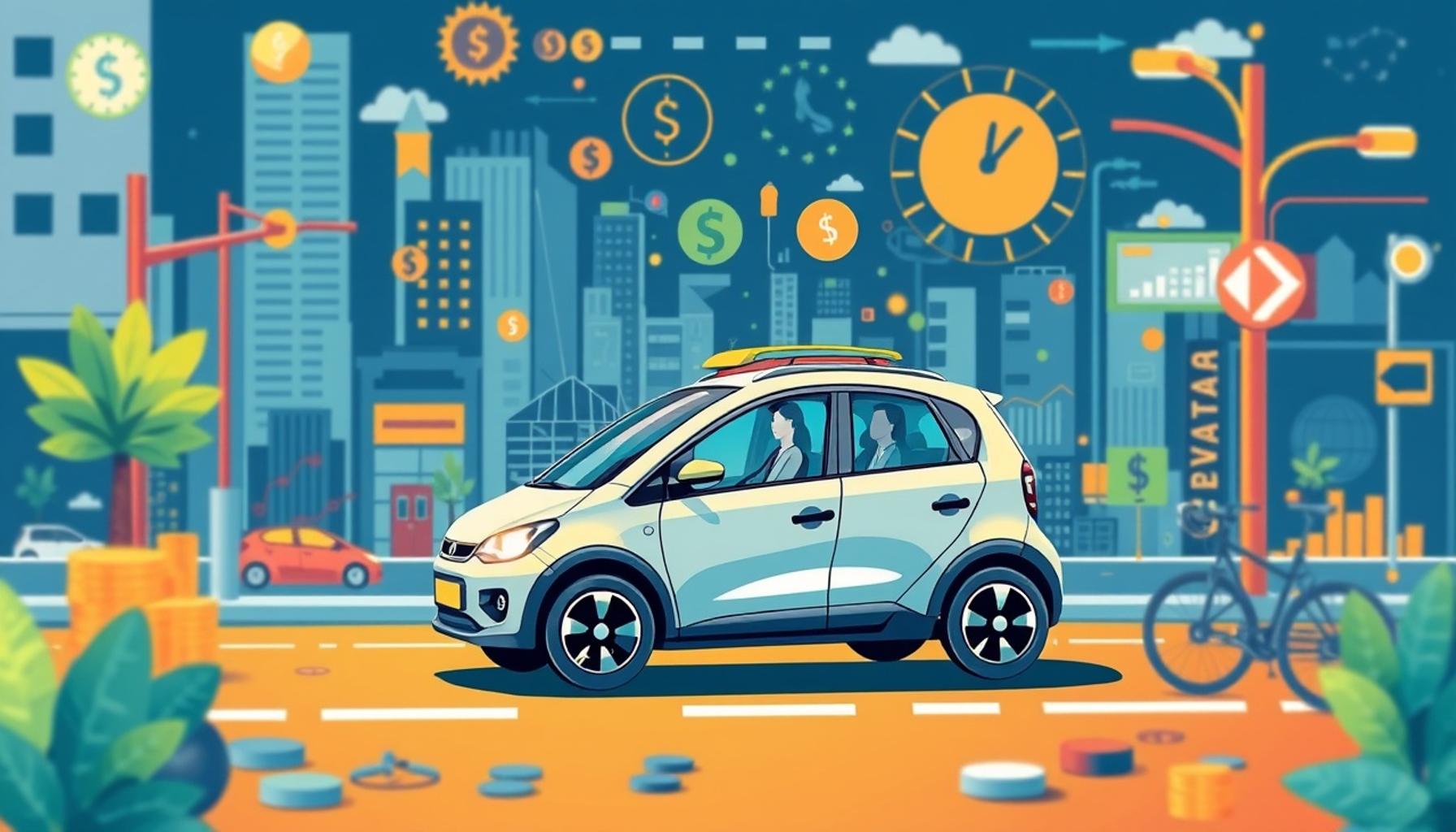
Transforming Urban Life Through Autonomous Vehicles
The introduction of autonomous vehicles (AVs) is not just a technological advancement; it represents a fundamental shift in how we perceive and engage with urban life and transportation. As these self-driving cars become a reality, their influence extends beyond the driving experience itself, touching upon various aspects of our society, economy, and environment. Understanding these implications is essential as we venture into an era where AVs are projected to become commonplace on our roads.
Safety and Efficiency
Safety and efficiency are two of the most celebrated benefits of AVs. According to studies, nearly 94% of car accidents in the U.S. result from human error. This staggering figure highlights the potential of AV technology to drastically reduce accidents through advanced algorithms and real-time data processing. For example, self-driving cars are equipped with numerous sensors that detect obstacles, traffic signals, and pedestrians, ensuring safer navigation compared to human drivers. Moreover, AVs can communicate with one another, reducing traffic congestion and optimizing travel routes, which in turn can lead to smoother commutes and less time spent in traffic.
Environmental Impact
The environmental impact of AVs, particularly those that utilize electric power, is another crucial area to consider. With the transportation sector being a major contributor to greenhouse gas emissions, a transition to electric autonomous vehicles can play a significant role in mitigating climate change. For instance, a study by the Massachusetts Institute of Technology indicates that a widespread adoption of AVs could decrease emissions by up to 60% by 2030, provided they are paired with sustainable energy sources. Additionally, the reduction in need for parking spaces inherent to AV technology encourages urban areas to transition to greener public spaces.
Urban Planning
As AVs become integral to our transportation systems, urban environments will likely undergo a significant transformation. The need for urban planning will shift focus from parking lots to multifunctional spaces that prioritize pedestrian and cyclist access. Cities may need to design new roadways featuring dedicated lanes for AVs, or entirely reconfigure existing infrastructure to accommodate autonomous technologies. An excellent example of this is anticipated in cities like San Francisco or Los Angeles, where traffic patterns could be reimagined to create safer and more efficient urban environments.
Economic Implications
The economic landscape will also experience considerable changes due to the rise of AVs. While there are concerns regarding job displacement in the transportation industry—impacting millions of drivers, such as truck and taxi drivers—there are also opportunities for new business models. Startups may emerge to focus on AV maintenance, software development, and innovative ride-sharing platforms that capitalize on the efficiency of AVs. For instance, services similar to Uber could evolve, providing rides exclusively through fleets of autonomous cars, thus reshaping consumer behavior and transportation choices.
Increased Accessibility
Moreover, the introduction of AVs could enhance accessibility for individuals who have traditionally struggled with mobility, including the elderly and disabled. By providing a reliable means of transportation, AVs promise to foster inclusivity, enabling these individuals to engage more fully with their communities. For example, a senior citizen who may find it challenging to navigate public transportation could benefit immensely from a self-driving vehicle, allowing for greater independence and quality of life.
In conclusion, as we move towards a future where autonomous vehicles become an essential part of our urban landscapes, understanding their multifaceted implications will be crucial. Our approach to embracing this technology can lead to a transportation system that is not only more efficient and environmentally friendly but also equitable and accessible for all members of society.
DISCOVER MORE: Click here to learn about blockchain’s impact
Reimagining Safety and Efficiency in Transportation
The proliferation of autonomous vehicles (AVs) not only aims to revolutionize personal mobility but also seeks to enhance safety and efficiency on our roads. One of the most compelling aspects of AV technology is its potential to decrease the frequency of road accidents, a pressing concern given that around 94% of traffic incidents in the United States stem from human error. By leveraging advanced sensors, cameras, and artificial intelligence, these vehicles can process vast amounts of data in real time, identifying potential hazards and making split-second decisions. For instance, a fully autonomous vehicle navigating a busy intersection can swiftly react to the unexpected movement of a pedestrian, minimizing the risk of accidents.
Moreover, the efficiency of AVs extends beyond accident reduction. By utilizing vehicle-to-vehicle (V2V) communication systems, AVs can coordinate with one another to optimize traffic flow. This connectivity leads to reduced congestion, shorter travel times, and decreased fuel consumption. A study conducted by the Institute of Transportation Engineers estimates that widespread AV deployment could reduce traffic congestion by as much as 40%, leading to a more productive workforce and lowering stress levels among commuters.
Environmental Repercussions: A Sustainable Future
The implications of AVs also stretch into the realm of environmental sustainability. The automotive industry is one of the leading contributors to greenhouse gas emissions, and transitioning to electric and autonomous vehicles can diminish this impact significantly. Research indicates that if electric AVs became mainstream, we could see a reduction in carbon emissions by up to 60% by 2030, especially when integrated with renewable energy sources like wind or solar power. Additionally, with fewer cars needed thanks to smarter transportation systems, there would be a decreased demand for parking lots and garages, allowing cities to repurpose these spaces into green parks and community areas.
Impacts on Urban Planning and Infrastructure
Given the transformative impact of AVs on daily commutes, it is vital for urban planning to evolve accordingly. With fewer parking needs, cities can redirect their focus toward developing spaces that are more accommodating to pedestrians and cyclists. Urban planners may need to prioritize the construction of dedicated lanes for AVs, which could lead to enhanced safety and efficiency. For instance, cities like New York and Chicago will require reconfiguration of public transport routes as AVs become more integrated into public transit systems. Moreover, the adoption of AVs encourages the creation of smart infrastructure, including traffic signals that can communicate with vehicles to optimize light changes based on real-time traffic conditions.
Shaping the Economic Landscape
The rise of AVs will also bring significant economic implications. While concerns about job losses in traditional driving roles, such as taxi and truck drivers, are valid, this technological shift also paves the way for new job opportunities. A plethora of new industries are likely to emerge, focusing on areas like AV software development, maintenance services, and innovative ride-sharing platforms optimized for autonomous fleets. For example, companies could devise new models that allow consumers to summon a self-driving vehicle efficiently, fundamentally changing the dynamics of personal transport and ownership.
As we navigate these changes brought about by the rise of autonomous vehicles, a nuanced understanding of their social and economic implications is crucial. How we adapt to this technology will shape the transportation landscape—and our cities—for decades to come.
DIVE DEEP: Click here to learn more
Transforming Accessibility and Inclusivity
One of the most significant social implications of autonomous vehicles (AVs) is their potential to enhance accessibility for individuals with disabilities and the elderly. Traditional transportation options often pose challenges for those with mobility issues. However, AV technology can offer greater independence to these individuals by providing safe and reliable transportation alternatives. For instance, an elderly person who may no longer drive can request an autonomous vehicle on demand, allowing them to maintain mobility and actively participate in their community.
Furthermore, accessibility extends beyond physical mobility. AVs can also contribute to a more inclusive society by incorporating ride-sharing services tailored for users with different needs. This approach can help level the playing field, ensuring that everyone, regardless of their circumstances, has access to reliable transportation. Cities that prioritize AV infrastructure can lead the way in fostering inclusivity, ultimately enhancing the quality of life for their residents.
Effects on Real Estate and Property Values
The advent of autonomous vehicles is poised to impact real estate markets in profound ways. As AVs reduce the demand for parking spaces, urban areas might see a shift in property values. Properties near major roadways or transit hubs could experience an uptick in value as AV technology increases access and mobility. On the contrary, areas primarily dependent on traditional parking accommodations may see a decline in property values, creating a need for adaptation and redevelopment.
This transformation could lead to the rise of multi-use developments that integrate residential, commercial, and recreational spaces, as proximity to AV services may become more desirable. For example, neighborhoods that once required extensive driving could become pedestrian-friendly zones, attracting families and businesses seeking a vibrant community atmosphere. Additionally, as the demand for AV-centric developments rises, investors and developers may need to rethink their planning and investment strategies to capitalize on the evolving landscape.
Addressing Ethical and Regulatory Challenges
Despite the vast potential of autonomous vehicles, there are ethical and regulatory concerns that warrant serious consideration. Issues surrounding liability in the event of an accident involving an AV pose significant questions about accountability. Who is responsible: the manufacturer, the software developer, or the vehicle owner? Legal frameworks will need to adapt to address these questions thoughtfully and comprehensively.
Moreover, concerns about data privacy arise as AVs are equipped with extensive sensors and cameras, constantly collecting data about their surroundings and passengers. It will be crucial for regulatory bodies to establish clear guidelines for data usage and protection to ensure public trust in this technology. Establishing these regulations will require input from various stakeholders, including policymakers, industry leaders, and citizens, fostering a collaborative approach to innovation.
Shaping Future Mobility Policies
The integration of AVs into urban environments will necessitate the development of new mobility policies that support efficient, safe, and equitable transportation options. Policymakers must consider how AVs fit within the broader context of public transportation systems, traffic regulations, and urban infrastructure planning. For example, integrating AVs into existing public transit systems can provide a more seamless commuting experience for residents. Cities like Los Angeles and San Francisco are already exploring pilot programs that combine autonomous shuttles with public buses and rail services to create a cohesive transit network.
Ultimately, as AV technology evolves, the collaboration between technology providers and city planners will be crucial in addressing the mobility needs of residents. A well-thought-out policy approach can ensure that urban mobility becomes more efficient and inclusive while enhancing the overall safety and sustainability of our cities.
DISCOVER MORE: Click here to delve deeper
Conclusion
The emergence of autonomous vehicles (AVs) is poised to fundamentally reshape our urban landscapes, creating a ripple effect in both social and economic spheres. By enhancing accessibility and promoting inclusivity, AVs can empower marginalized groups, particularly the elderly and individuals with disabilities, thereby fostering vibrant and diverse communities. As cities become more inclusive and pedestrian-friendly, we may witness a resurgence in community engagement and social cohesion.
Economically, the transformative impact of AVs on real estate and property values cannot be overlooked. As demand for traditional parking spaces declines, urban designs are likely to evolve, paving the way for multi-use developments that emphasize interaction and accessibility. This shift not only reflects changing preferences but also challenges developers and investors to think innovatively about future projects.
Furthermore, while the integration of AVs offers numerous benefits, it is equally critical to address the ethical and regulatory challenges that accompany this technology. Establishing clear guidelines around safety, liability, and data privacy will be essential in fostering public trust and ensuring responsible implementation. Policymakers must also craft new mobility policies that harmoniously integrate AVs into existing transit systems, ensuring efficient and equitable transportation for all residents.
In conclusion, the future of cities in the age of autonomous vehicles holds immense potential. By combining technological innovation with thoughtful urban planning and inclusive policies, we can create environments that not only prioritize mobility but also enhance the quality of life for all community members. The revolution of AVs invites us to reimagine urban living, and we must embrace this opportunity with foresight and responsibility.

Linda Carter
Linda Carter is a writer and expert known for producing clear, engaging, and easy-to-understand content. With solid experience guiding people in achieving their goals, she shares valuable insights and practical guidance. Her mission is to support readers in making informed choices and achieving significant progress.