
How Augmented and Virtual Reality are Transforming the Consumer Experience in Retail
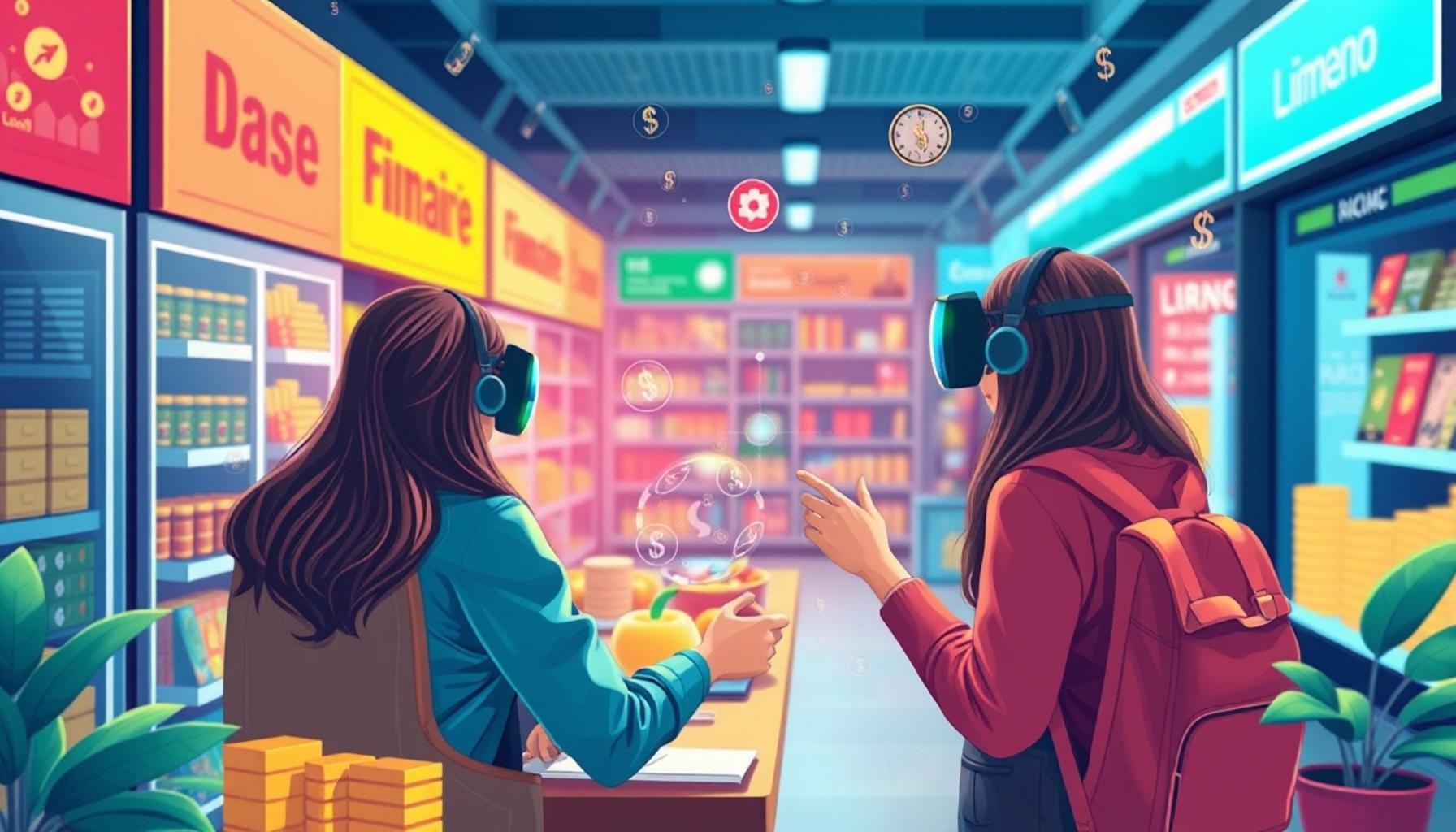
Understanding Augmented Reality and Virtual Reality in Retail
The retail landscape is undergoing a profound transformation, with augmented reality (AR) and virtual reality (VR) leading the way in enhancing the shopping experience. These technologies are not merely passing fads; they provide groundbreaking tools that redefine how consumers engage with brands and make purchasing choices.
One of the most significant impacts of AR and VR can be seen through the creation of immersive shopping experiences. Imagine being able to browse a virtual showroom filled with the latest gadgets or stepping into a high-end fashion boutique without leaving your living room. With AR, customers can use their smartphones or AR glasses to superimpose products into their real-life environment, such as visualizing a new sofa in their living room. This technology allows consumers to determine whether a product fits their space and style before making a purchase, thereby reducing the uncertainty often associated with online shopping.
Interactive product visualization is another key feature offered by AR and VR. Retailers can provide 3D models of their products, enabling consumers to view every angle and detail. For instance, beauty brands have adopted AR to allow customers to see how a lipstick shade will look on their skin tone by using virtual try-on tools via mobile apps. This not only enhances consumer confidence but also creates a personalized shopping experience. Customers are more likely to make purchases when they feel informed and assured about their choices.
Enhanced engagement is vital in today’s competitive market, and brands are utilizing AR and VR to tell compelling stories. Retailers can create immersive brand narratives that resonate with consumers, turning shopping into an engaging experience. Companies like IKEA have capitalized on this by developing AR applications that allow users to arrange and visualize IKEA furniture in their homes, all while integrating interactive content that explains the design philosophy behind each piece.
As these technologies continue to advance, retailers face a unique challenge: effectively integrating AR and VR into the shopping experience while ensuring that the user journey remains seamless and enjoyable. This involves training staff, updating infrastructure, and ensuring that the technology is accessible to all consumers, including those who may be less tech-savvy.
The future of retail holds exciting possibilities as AR and VR reshape consumer interactions. Whether it’s through a unique, personalized shopping experience or a detailed preview of products, these technologies will undoubtedly influence purchasing decisions and the overall consumer experience moving forward.
DON’T MISS OUT: Click here to discover how it works
Immersive Shopping: The Power of AR and VR
At the heart of the retail Revolution are immersive experiences. Augmented reality (AR) and virtual reality (VR) transport consumers into a realm where the shopping journey becomes greatly enhanced. This transformation is not just about convenience; it’s also about reimagining consumer interactions with products and brands in ways that were previously unimaginable.
By using AR, retailers create virtual environments that allow customers to interact with products in real time. For instance, the popular furniture retailer Wayfair has developed an AR app that enables users to visualize how different pieces of furniture will look in their homes. Shoppers can point their smartphones at an empty space, and the app will overlay a full-scale image of the selected item, helping them to assess fit and style. This practical application not only simplifies the decision-making process but also reduces the risk of post-purchase disappointment.
On the other hand, VR takes this concept a step further by completely immersing shoppers in a simulated shopping environment. Brands like Virtuality have created experiences that allow users to wander through a virtual store while simultaneously exploring interactive features. Imagine walking into a virtual car showroom and sitting in various models, all from the comfort of your sofa! This level of engagement changes how consumers approach buying decisions and fosters a deeper connection with the brand.
Benefits of AR and VR in Retail
The integration of AR and VR technologies in retail offers numerous benefits that cater to both businesses and consumers. Here are some key advantages:
- Improved Customer Engagement: By providing customers with captivating experiences, retailers can foster brand loyalty and retention.
- Increased Conversion Rates: Interactive shopping experiences lead to greater customer confidence, which can increase on-the-spot purchases.
- Cost Efficiency: Virtual try-ons and AR visualizations can help in minimizing product returns, thus saving retailers on logistics and inventory costs.
- Personalization: Tailored experiences made possible through user preferences and past behaviors create a unique shopping journey that resonates with each individual.
As VR and AR technologies continue to gain traction, the ability of a retailer to effectively leverage these tools will define their success in a rapidly evolving market. These immersive experiences not only redefine shopping but also respond to the growing expectations of tech-savvy consumers who seek engaging and efficient ways to make purchasing decisions. The ultimate goal for businesses is to create a shopping environment where customers feel comfortable, informed, and excited about their choices.
DISCOVER MORE: Click here for details on applying
Enhancing the In-Store Experience with AR and VR
While online shopping continues to thrive, brick-and-mortar stores are finding innovative ways to incorporate AR and VR technologies to enhance the in-store experience. Retailers are leveraging these tools to create an interactive atmosphere that not only attracts shoppers but also keeps them engaged longer, which often leads to increased sales.
For example, some cosmetic brands, such as Sephora, have implemented AR applications that allow customers to try on makeup virtually. Shoppers can stand in front of a mirror equipped with AR capabilities and apply various products digitally, providing instant feedback without the need for physical application. This interactive level of personalization not only streamlines the shopping process but also provides an enjoyable experience that encourages repeat visits. Customers enjoy the thrill of experimenting with different looks without the commitment of applying actual makeup, thus sparking creativity and discovery.
Moreover, VR can enhance the storytelling aspect of a brand. Retailers like IKEA have utilized VR showrooms to depict their products in real-life settings. For instance, consumers can step into a virtual apartment designed with IKEA furniture, experiencing the layout, design, and functionality firsthand. This immersive storytelling allows customers to visualize how products integrate into their own spaces, thus making connections that transcend standard product displays.
Interactive Marketing Campaigns and Promotions
AR and VR technologies are not simply limited to enhancing customer experience—they are also transforming marketing strategies. Retailers are creatively utilizing these technologies to run interactive marketing campaigns that generate excitement and buzz. For instance, the fast-fashion retailer Zara launched an AR app that brings static magazine images to life. When customers point their smartphones at certain images, they’re treated to a 3D display of clothing on a virtual model, providing a more dynamic and engaging way to showcase their latest collections.
Additionally, promotional events can be elevated through AR and VR experiences. Brands can host immersive launch events where consumers can experience new products in virtual environments. Imagine attending a virtual launch party for a new sneaker line, complete with an interactive runway show featuring athletes and influencers. This creates a buzz around products that traditional marketing methods struggle to achieve, and it entices consumers to participate actively rather than passively.
Data-Driven Insights for Retailers
Another important advantage of incorporating AR and VR in retail is the wealth of data these platforms can generate. By analyzing consumer interactions within AR and VR environments, retailers gain valuable insights into consumer behaviors, preferences, and pain points. For instance, tracking which virtual products receive the most attention or are frequently interacted with can guide inventory management and marketing strategies. These insights can lead to well-informed decisions that improve product offerings and tailor marketing efforts more closely to consumer demands.
This data-driven approach not only enhances the shopping experience but also helps retailers stay competitive in an industry that is increasingly leaning towards technology-driven solutions. As the retail landscape continues to evolve, understanding how consumers interact with AR and VR will be crucial for ongoing success.
DON’T MISS: Click here to secure your financial future
Conclusion
The integration of Augmented Reality (AR) and Virtual Reality (VR) into the retail environment is not just a passing trend; it is a transformative shift that significantly changes how consumers interact with brands. These technologies are enhancing the in-store experience by providing personalization and engagement that traditional shopping methods cannot replicate. With applications such as virtual makeup try-ons and immersive showrooms, shoppers are offered the opportunity to explore products in a dynamic and creative manner, leading to a more enjoyable experience.
Furthermore, the use of AR and VR in marketing campaigns allows retailers to captivate consumers’ attention in ways that generate excitement and involvement. Interactive promotional events create memorable experiences that resonate with customers, fostering brand loyalty and encouraging repeated visits. From a business standpoint, the data collected through these virtual interactions equips retailers with critical insights into consumer behavior, enabling them to refine inventory and marketing strategies effectively.
As the retail landscape becomes increasingly competitive, incorporating AR and VR technologies will likely become essential for businesses aiming to thrive. Retailers who embrace these innovations stand to gain not only enhanced customer satisfaction but also a deeper understanding of their audiences. The future of shopping is undoubtedly interactive and immersive, promising an engaging journey that benefits both consumers and brands alike.

Linda Carter
Linda Carter is a writer and expert known for producing clear, engaging, and easy-to-understand content. With solid experience guiding people in achieving their goals, she shares valuable insights and practical guidance. Her mission is to support readers in making informed choices and achieving significant progress.