
Smart Cities: The Role of Technology in the Urban Sustainability of the Future
Understanding Smart Cities
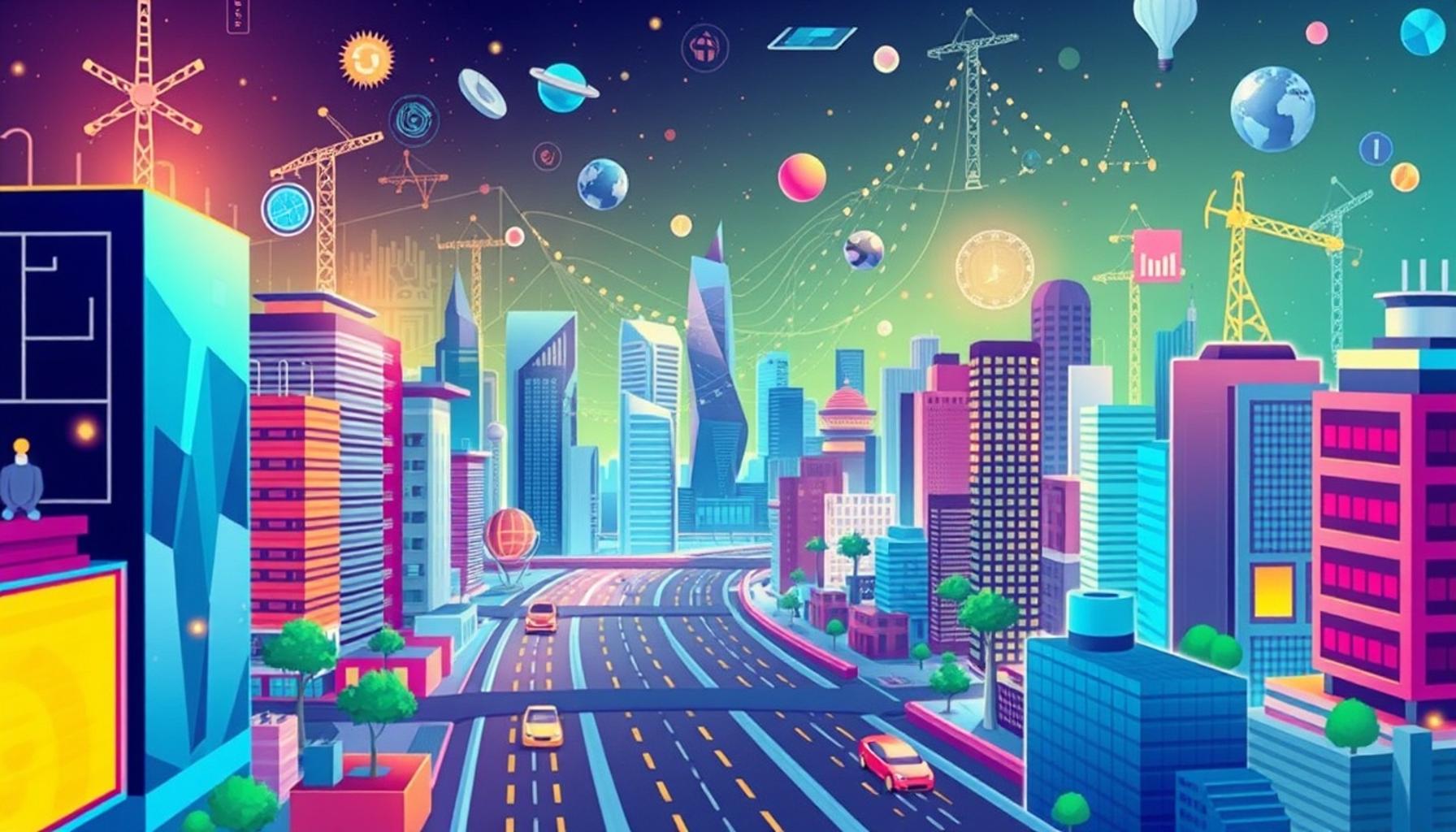
In an era characterized by rapid urbanization, cities are becoming increasingly complex, encompassing diverse populations, businesses, and infrastructures. The integration of technology into urban planning has led to the emergence of smart cities, which leverage innovative solutions to enhance city management while addressing pressing environmental challenges. This holistic approach not only seeks to improve the quality of life for residents but also positions urban areas to thrive amid global shifts.
Key Features of Smart Cities
At the heart of smart cities are several advanced features that harmonize technology with urban life:
- Intelligent Transportation Systems: These systems utilize real-time data to optimize traffic signals, thereby enhancing traffic flow and reducing congestion. For example, cities like San Francisco have implemented smart traffic lights that adapt in real time, minimizing wait times for vehicles and pedestrians alike, resulting in lower emissions and improved air quality.
- Energy Management: Smart grids equipped with renewable energy sources, such as solar and wind, allow cities to minimize their carbon footprints. In cities like Chicago, initiatives promote the use of solar panels on public and private buildings, coupled with energy storage systems that balance energy demand and supply effectively.
- Waste Management: Advanced recycling and waste collection systems, utilizing smart bins that signal when they are full, help streamline waste disposal. For instance, New York City has explored using smart trash cans equipped with sensors that communicate collection needs, allowing for more efficient collection routes and reducing operational costs.
The Role of Technology
Central to the concept of smart cities is the integration of cutting-edge technologies such as the Internet of Things (IoT), artificial intelligence (AI), and big data analytics. These tools enable urban planners and city officials to make informed decisions that enhance urban living:
- Improved public safety is achieved through enhanced surveillance systems that utilize AI to detect suspicious activities, potentially leading to quicker response times in emergency situations.
- Public transportation efficiency is bolstered through smartphone applications that provide users with real-time updates about bus and train schedules, integrated with GPS technology for accurate tracking.
- Efficient resource allocation improves utilities and services, from water management systems that monitor usage to energy-efficient street lighting that adjusts based on pedestrian activity.
As we delve deeper into the realm of smart cities, it is evident that technology plays a pivotal role in creating sustainable urban environments. The proactive measures adopted by city planners not only facilitate economic growth through the technological job market but also contribute to a healthier, more livable environment for future generations. By focusing on these innovations, cities across the United States can lead the way toward a sustainable urban future, benefiting both residents and the planet alike.
DISCOVER MORE: Click here to find out how emotions affect your budget
The Transformative Impact of Technology on Urban Sustainability
As urban centers across the United States grapple with the challenges posed by climate change, overpopulation, and resource management, the role of technology becomes increasingly indispensable in fostering sustainable development. Smart cities embody a paradigm shift in how urban areas utilize technology to improve environmental performance, economic viability, and the overall quality of life for their residents. This transition toward sustainability is not only necessary but achievable, fueled by the innovative applications of technology.
Data-Driven Decision Making
One of the most significant advantages of smart cities is their ability to harness big data to inform urban planning and policy decisions. Cities can collect vast amounts of data from a variety of sources, including sensors, social media, and public records. This data offers valuable insights that can lead to more effective strategies for managing urban growth. For example:
- Enhanced Urban Mobility: Cities like Los Angeles are employing data analytics to study traffic patterns and commuter behaviors. By understanding peak traffic times and common routes, city planners can optimize public transportation schedules and improve road infrastructure to alleviate bottlenecks.
- Resource Allocation Efficiency: By monitoring energy and water usage through IoT devices, cities can identify areas of wastage and implement targeted conservation measures. An example is San Diego’s water management system, which uses real-time data to detect leaks and inefficiencies, saving both money and precious resources.
- Community Engagement and Feedback: Smart city initiatives often include channels for residents to provide input on local projects, creating a collaborative atmosphere. For instance, cities like Boston have introduced apps that allow citizens to report potholes or service disruptions directly to city officials, speeding up response times and enhancing resident satisfaction.
Innovative Energy Solutions
Energy management is a crucial aspect of urban sustainability, and smart cities employ several innovative approaches to minimize energy consumption and reduce greenhouse gas emissions. Here are a few notable examples:
- Solar Energy Utilization: Smart cities are increasingly integrating renewable energy sources, such as solar power, into their energy grids. For example, Sacramento has introduced solar energy initiatives that encourage residents and businesses to install solar panels, taking advantage of California’s abundant sunshine.
- Energy-Efficient Buildings: Implementing smart building technologies, such as automated heating and cooling systems, helps buildings consume less energy. An excellent instance of this is in Chicago, where the city has promoted energy-saving building standards that dramatically reduce energy usage while providing residents with comfortable living environments.
- Grid Management Technology: Advanced technologies, such as smart meters, allow for better monitoring of energy consumption and enable dynamic pricing. This approach not only encourages consumers to use less energy during peak hours but also promotes energy conservation across the city.
In summary, as smart cities continue to emerge and evolve, the role of technology remains central in promoting sustainability. By prioritizing data-driven solutions and innovative energy management strategies, urban areas can create environments that are both resilient and responsive to the needs of their inhabitants. The future of urban living is indeed bright, driven by our commitment to integrating technology into every aspect of city life.
DISCOVER MORE: Click here for free clothing tips
Smart Infrastructure: Building the Cities of Tomorrow
Another fundamental aspect of smart cities lies in the development of smart infrastructure, which integrates technology into physical city components to enhance urban services and reduce environmental impacts. This integration not only improves efficiency but also fosters sustainability in various areas:
Waste Management Innovations
Effective waste management is critical in reducing urban pollution and promoting recycling. Smart cities utilize technology to streamline waste collection and management:
- Smart Waste Bins: Equipped with sensors that detect fill levels, these bins alert waste management services when they need to be emptied. Cities like Seattle are using this technology to optimize collection routes, reducing unnecessary fuel consumption and costs, while keeping public spaces clean and tidy.
- Recycling Incentives: Advanced systems are being instituted that reward residents for proper recycling practices. For example, the city of Pittsburgh has introduced a program that monitors residents’ recycling habits through smart bins, providing feedback that encourages increased participation and proper disposal.
Transportation Systems of the Future
Smart transportation systems enhance urban mobility while significantly reducing carbon footprints. Through the use of technology, cities can create more efficient transport networks:
- Integrated Public Transport Networks: By combining data from buses, trains, and cycling networks, cities like New York are working towards seamless mobility experiences. Apps that provide real-time updates on transit schedules and service changes are invaluable, allowing people to choose sustainable modes of transport easily.
- Autonomous Vehicles: The integration of self-driving cars and electric vehicles has the potential to transform urban transport. Cities like San Francisco are exploring the viability of autonomous vehicle fleets that can communicate with smart traffic signals to optimize traffic flow, thereby reducing congestion and emissions.
Green Spaces and Urban Biodiversity
Smart cities are also embracing technology to bolster urban green spaces and promote biodiversity, which is essential for environmental health:
- Smart Irrigation Systems: Cities such as Denver are implementing smart irrigation systems that leverage weather forecasts and sensor data to optimize water usage for parks and gardens. By reducing excess water consumption, these systems support sustainability and promote healthy green spaces.
- Biodiversity Monitoring: Technology such as drones and satellite imagery is increasingly being utilized to monitor urban biodiversity. Cities like Portland are using these tools to assess the health of urban ecosystems, which aids in conservation efforts and informs urban planning.
Through the innovative application of smart infrastructure, cities can seamlessly integrate technology into their systems, promoting not only efficiency but also environmental responsibility. These advancements pave the way for a sustainable urban future that prioritizes both human needs and ecological balance, setting an irresistible example for future urban developments.
DISCOVER MORE: Click here to learn how to boost your retirement savings
Conclusion: A Vision for Sustainable Urban Living
In conclusion, the evolution of smart cities offers an exciting glimpse into the future of urban living, where technology not only enhances daily life but also ensures the sustainable management of resources. By implementing smart infrastructure, cities can respond more effectively to pressing challenges such as waste management, transportation, and biodiversity. For instance, as cities adopt smart waste bins and optimize collection routes, they contribute to reduced environmental footprints while maintaining cleaner public spaces. Similarly, integrated public transport networks, enriched by real-time data, encourage residents to adopt eco-friendlier commuting options.
The potential of smart cities extends beyond just immediate benefits; it sets a precedent for future urban development that champions environmental responsibility. By nurturing urban ecosystems and promoting green spaces with tools like smart irrigation systems, cities can strike a balance between urban growth and ecological preservation. Moreover, monitoring biodiversity through advanced technologies like drones offers invaluable insights, paving the way for informed, sustainable decision-making.
As we move forward, it is crucial for city planners, policymakers, and communities to embrace this technological transformation, ensuring that it cultivates a sustainable urban environment for generations to come. The vision of smart cities can not only facilitate efficient urban living but also foster a community’s commitment to preserving its natural heritage, ultimately leading to a harmonious coexistence of technology and nature. Together, we can create smart cities that are not only intelligent but also sustainable and vibrant places to live.

Linda Carter
Linda Carter is a writer and expert known for producing clear, engaging, and easy-to-understand content. With solid experience guiding people in achieving their goals, she shares valuable insights and practical guidance. Her mission is to support readers in making informed choices and achieving significant progress.