The Importance of Insect Species in Pet Care: Curiosities and Precautions
The Role of Insects in Pet Care
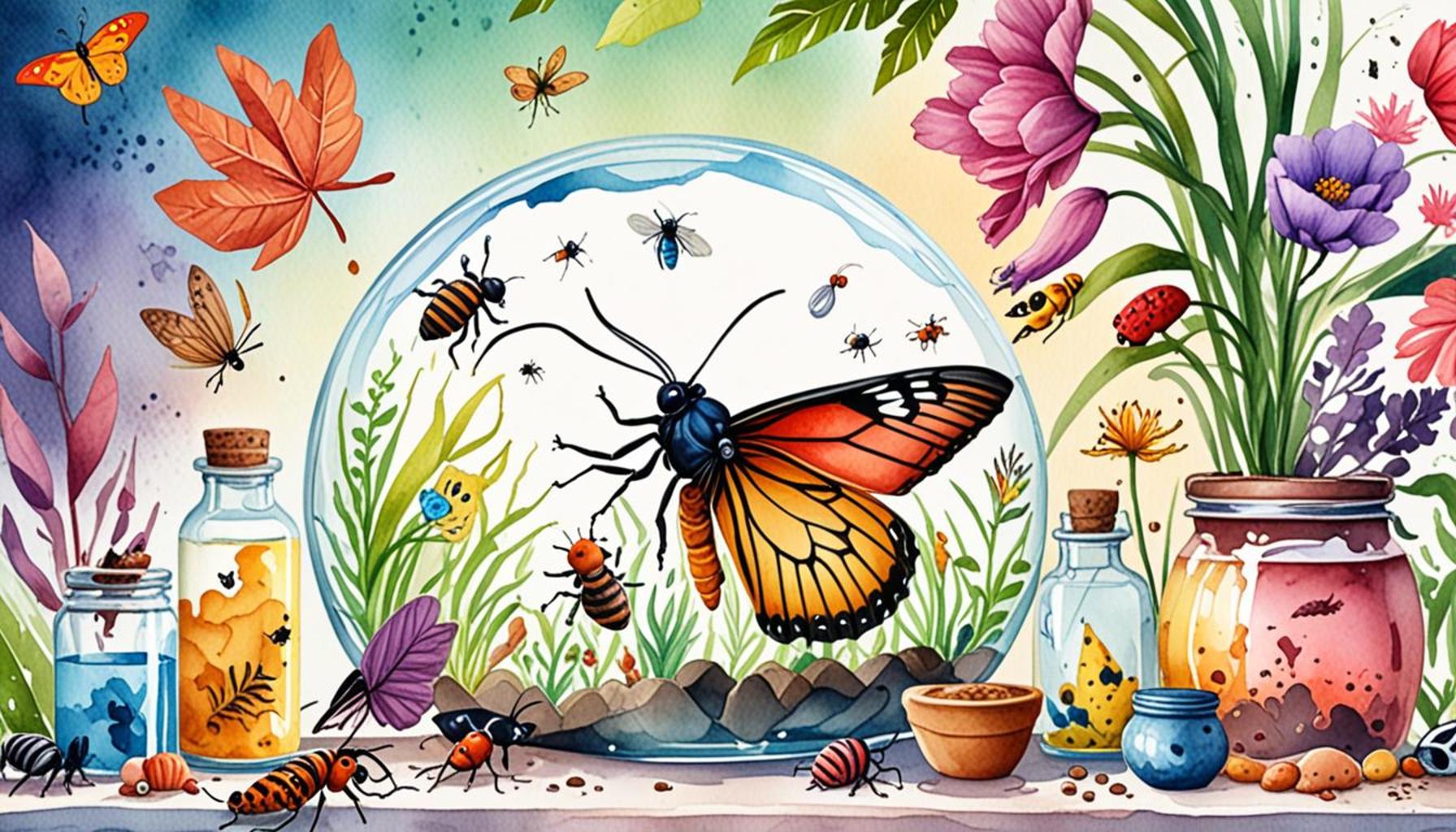
Insects contribute to the pet care industry in ways that may come as a surprise to many pet owners. These small yet incredibly diverse creatures have risen to prominence not just as exotic pets but also as valuable resources for nutrition, enrichment, and environmental sustainability. Understanding the myriad benefits and potential risks of incorporating insects into pet care routines can greatly enhance the health and happiness of your furry companions.
Nutrition: A Protein Powerhouse
One of the most compelling reasons to consider insects in pet diets is their nutritional value. Insects such as crickets, mealworms, and black soldier fly larvae are packed with protein and are rich in vitamins and minerals that are essential for the growth and maintenance of pets. For instance, crickets contain about 60-70% protein by weight, making them an excellent alternative to traditional protein sources like chicken or beef. Moreover, they are high in omega-3 and omega-6 fatty acids, promoting healthy skin and a shiny coat in pets. Products like insect-based dog and cat foods have started to gain popularity in the United States, appealing to pet owners looking for sustainable dietary options.
Natural Enrichment: A Source of Engagement
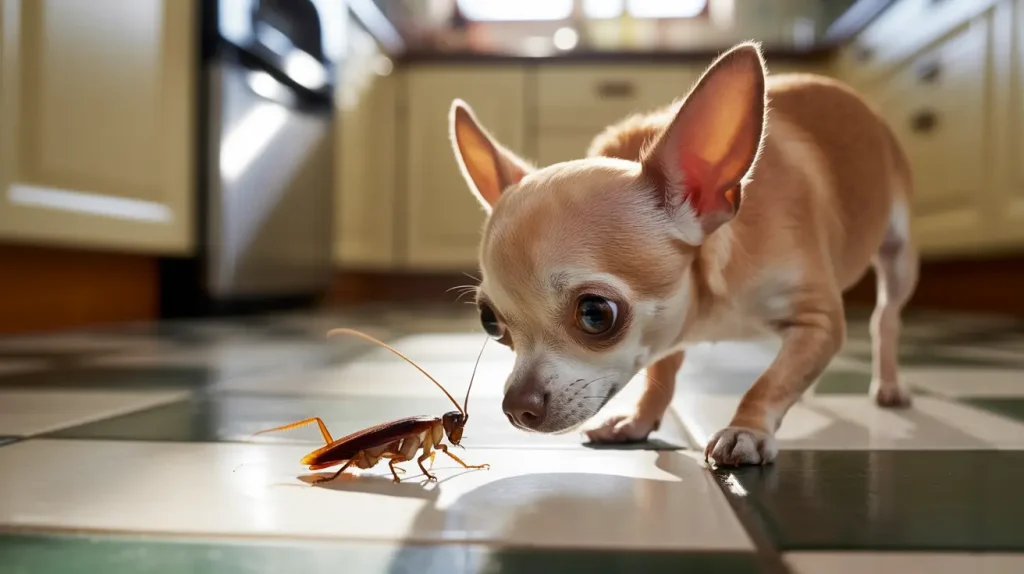
Insects aren’t just a meal; they also provide tremendous enrichment opportunities for pets. Many animals, especially dogs and cats, have a natural instinct to hunt. Allowing your pet to interact with live insects can stimulate this instinct and provide mental and physical exercise. This is particularly relevant for indoor pets that may not have frequent access to outdoor environments where they can express their natural behaviors. For example, placing live crickets in an enclosure can create a fun and engaging play scenario for cats, offering them an outlet to practice their stalk-and-pounce techniques.
Environmental Impact: A Sustainable Choice
Exploring the use of insects as a food source also contributes to a smaller carbon footprint. Insects are significantly more efficient at converting feed into protein compared to traditional livestock. They require less land, water, and feed, producing lower greenhouse gas emissions. This sustainability aspect is especially appealing in today’s environmentally-conscious society. By choosing insect protein, pet owners can help reduce the overall environmental impact associated with pet food production.
Precautions to Consider
Despite the benefits, pet owners must exercise caution when introducing insects into their pets’ diets. It’s important to consider potential allergies that pets might have to certain insect species. Moreover, sourcing insects from reputable suppliers to avoid contamination or exposure to pesticides is crucial. Wild-caught insects can carry parasites and toxins, making it essential to educate oneself about the specific species that are safe and beneficial for pets. Understanding these factors leads to informed decisions about integrating insects into pet care practices.
The world of insects in pet care is both fascinating and complex. By understanding their benefits and risks, pet owners can explore this avenue to enhance their pets’ diet and overall well-being, while simultaneously engaging in sustainable practices. This exploration promises to be rewarding, not only for the pets but also for their owners, as they delve deeper into the intricacies of nurturing their furry companions in an innovative way.
LEARN MORE: Click here to find out how
Exploring the Fascinating World of Insects in Pet Care
Insects are not only creeping into gardens and homes but also increasingly making a remarkable entrance into the realm of pet care. Their presence offers a kaleidoscope of advantages ranging from nutritional supplements to interactive playtime for pets. This burgeoning trend not only enhances pet owners’ perspectives on what they consider food for their companions but also encourages them to rethink their roles in environmental conservation.
The Rising Popularity of Insect-based Nutrition
As pet owners become more attuned to the nutritional needs of their beloved animals, the spotlight on insect protein shines brighter. Insect-based pet foods have been crafted to provide balanced meals rich in essential nutrients. These foods, often derived from crickets, mealworms, and other insect species, not only boast an impressive amino acid profile but also tend to have a lower environmental impact compared to traditional meat sources. According to recent studies, crickets contain approximately 71% protein, while mealworms have around 50% protein, making them a potent alternative.
- High Protein Content: Insects deliver more protein per gram than many conventional meats.
- Vitamins and Minerals: Rich in iron, calcium, and B vitamins, insects help maintain strong bones and enhance metabolic health.
- Low Allergenic Potential: Compared to typical meat sources, insects may present a lower risk of food allergies in pets.
Engagement and Behavioral Benefits
Beyond their role on the dinner plate, insects offer enriching experiences that resonate deeply with pets’ instincts. The act of hunting and playing with live insects can invigorate the physical and mental well-being of animals. For example, pets often exhibit an innate curiosity and playfulness when introduced to moving creatures. This interaction encourages healthy behavior and alleviates boredom. Products designed specifically for engaging pets with insects, such as live cricket dispensers, are gaining traction for their effectiveness in promoting exercise and mental stimulation.
Sustainability and Ethical Considerations
The ecological footprint of pet care is increasingly under scrutiny, and insects emerge as champions of sustainability. They require significantly less land, water, and food than traditional livestock, making them a resource-efficient option. Additionally, studies suggest that the greenhouse gas emissions associated with insect farming are much lower. Embracing insect protein in pet diets is not only a trend; it is a movement towards making pet care more environmentally friendly.
Nonetheless, while the advantages of incorporating insects into pet care routines are impressive, there is a delicate balance that pet owners must maintain. Understanding the nuances of implementing these tiny creatures in a way that supports overall health and environmental well-being is critical. As we delve deeper into the world of insect species in pet care, it becomes clear that there is much to learn—and even more to gain—by responsibly embracing these remarkable organisms.
In today’s pet care landscape, the role of insect species is often underestimated, yet they are essential in a variety of ways. The benefits of incorporating insects into pet care extend beyond mere nutrition; they also play a critical role in enhancing the overall well-being of pets. For instance, insects like crickets and mealworms are rich in protein and essential nutrients, making them a superb dietary addition for reptiles and various other pets. Not only do they provide a complete protein source, but they are also low in fat compared to traditional pet food, promoting better health and vitality. Moreover, offering a diet inclusive of insects can stimulate natural hunting instincts, which are crucial for cognitive health in pets, particularly in carnivorous species.Furthermore, insect species are revered for their environmental benefits. Insects such as black soldier fly larvae are excellent for composting pet waste, turning it into nutrient-rich fertilizer, thereby fostering an eco-friendly approach to pet ownership. This attribute aligns with the growing trend of sustainable practices among pet owners who are conscious of their carbon footprint.It’s essential to understand also that not all insects are safe for pets. Certain species can carry parasites or toxins that are harmful if ingested. Therefore, pet owners must meticulously research and choose the right species suitable for their pets’ diets. Consulting with veterinarians or pet nutrition experts ensures that the insects selected contribute positively to the pet’s health without any risks involved.In this complex weave of ecological benefit and nutritional value, the importance of insect species in pet care cannot be overstated. Awareness and education surrounding this subject promote healthier, happier pets while supporting sustainable practices that benefit the planet.
DISCOVER MORE: Click here to learn about essential cat care
Understanding the Precautions in Utilizing Insects for Pets
As the trend of incorporating insects into pet diets grows, it becomes increasingly necessary to address the precautions that pet owners should consider. While insects present a variety of benefits, they also pose potential health risks and ethical dilemmas that warrant attention. Taking the time to understand these aspects can lead to a safer and more informed approach to pet care.
Health Risks and Allergen Awareness
Although insects have a lower allergenic potential compared to conventional meats, some pets may still react adversely to certain insect species. It’s essential for pet owners to conduct a thorough allergen assessment before introducing insects into their pets’ diets. Monitoring for any signs of allergic reactions, such as digestive issues or skin irritations, is crucial. Consulting with a veterinarian who is familiar with insect-based nutrition can provide tailored advice and support as changes are made to a pet’s diet.
- Introducing Insects Gradually: Begin by offering small portions of insect-based food to observe how the pet reacts before a complete dietary overhaul.
- Avoiding Overconsumption: While insects are nutrient-rich, proper serving sizes must be adhered to prevent digestive upset.
- Identifying Safe Species: Stick to reputable insect sources, such as those specifically bred for pet consumption, to minimize risks of contaminants.
Ethical Sourcing and Environmental Impact
As pet owners embrace the practice of feeding insects to their pets, it’s vital to consider ethical sourcing. Not all insect farms prioritize sustainable practices, and some may engage in harmful methods that negatively impact local ecosystems. Responsible pet owners should seek out companies that ensure humane treatment of insects and sustainable farming practices. This not only supports ethical agriculture but also aligns with broader environmental conservation efforts, creating a synergistic relationship between pets and the planet.
Best Practices for Feeding Insects to Pets
The effective incorporation of insects into a pet’s diet also includes understanding best practices for preparation and handling. Live insects can bring excitement to pet feeding routines, but safe practices must be observed to prevent any potential health hazards. For instance, if using mealworms or crickets, choosing reputable commercial sources that follow strict hygiene protocols minimizes the risk of introducing pathogens. Additionally, properly cleaning any containers and equipment used for storage and feeding can safeguard pets from foodborne illnesses.
Exploring Insect-Based Enrichment Activities
Insects can also serve as enriching playtime activities. Pet owners might consider establishing a dedicated insect habitat for species such as crickets or mealworms, where pets can interact with them in a controlled environment. This offers more than mere entertainment; it encourages exercise and provides cognitive stimulation, essential factors for overall pet health. However, supervision during these activities is necessary to prevent any mishaps, ensuring that pets do not consume insects that may not be suitable.
As the fascination with insects in pet care continues to grow, being well-informed about the implications of this trend is essential. A balanced approach, grounded in safety and ethical considerations, will allow pet owners to fully harness the benefits that these remarkable creatures have to offer while ensuring the well-being of their furry companions.
DISCOVER MORE: Click here to learn about the benefits of pet species diversity
Conclusion: Embracing the Role of Insects in Pet Care
As pet owners continue to explore diverse dietary options, the growing interest in incorporating insects into pet care presents a unique opportunity to enhance pet health and well-being. The rich nutritional profile of edible insects, coupled with their sustainability, can play a significant role in transforming traditional feeding practices. However, with this innovative approach comes the responsibility of understanding the precautions necessary for their safe use.
From ensuring a proper allergen assessment to adhering to ethical sourcing standards, pet owners must navigate the complexities that insects introduce to pet diets. Encouraging a gradual introduction of insect proteins, while maintaining vigilance against potential health risks, can significantly contribute to a pet’s successful transition to an insect-inclusive diet. Moreover, engaging in enrichment activities involving insects not only stimulates pets mentally and physically but also deepens the bond between pet and owner.
As we look toward the future of pet care, embracing insects can pave the way for more sustainable and health-conscious practices. Pet owners are encouraged to remain curious and informed, continually seeking knowledge about insect species that may enrich their pet’s environment and nutrition. Ultimately, the integration of insects in pet care is a testament to our evolving understanding of animal husbandry and environmental stewardship, highlighting the fascinating intersections between pets, nutrition, and the planet.