
Singing Birds: Popular Species and Their Unique Characteristics

Experience the Symphony of Nature on Your Doorstep
The beauty of the natural world often resonates through the melodies of singing birds, which serve not only as a source of inspiration but also as key players in maintaining ecological balance. From urban parks to serene forested areas, these avian musicians offer us a glimpse into the intricate web of life that surrounds us. Each bird species boasts its own distinct song, ranging from cheerful trills to complex harmonies, presenting an opportunity for enthusiasts to engage with nature on a deeper level.
This journey into the world of songbirds will shine a light on several remarkable species that are particularly beloved in the United States:
- American Robin: Renowned for its sunny morning melodies, the American Robin heralds the arrival of spring with its bright, whistled song. This bird not only marks the changing of the seasons but also plays a vital role in controlling insect populations, as it feasts on larvae and worms.
- Common Nightingale: Although primarily found in Europe, the Common Nightingale is often referenced in American literature and music for its rich, layered songs. Admired for its vocal complexity, this bird’s ability to mimic other sounds adds to its allure, inspiring countless poets and composers throughout history.
- Wood Thrush: With its ethereal, flute-like calls echoing through eastern forests, the Wood Thrush is a true gem among North American birds. Its haunting melody is not only beautiful but also signifies the health of its forest habitat, as these birds are sensitive to environmental changes.
To truly appreciate these feathered songsters, one must understand the purpose behind their varied vocalizations. For instance, singing serves as a means of communication: male birds attract mates and establish territory through their songs, while females may use subtle calls to signal readiness to mate. By tuning in to their unique rhythms, birdwatchers can enhance their experiences in the field, developing a deeper connection to the habitats they explore.
As we dive further into the captivating world of singing birds, we’ll uncover the ecological significance of their songs, the challenges they face from habitat loss, and explore ways to support their populations. Each delightful note not only enriches our surroundings but also encapsulates the delicate balance of ecosystems, urging us to listen closely and protect the natural world we cherish.
DISCOVER MORE: Click here to learn about the benefits of pet species diversity
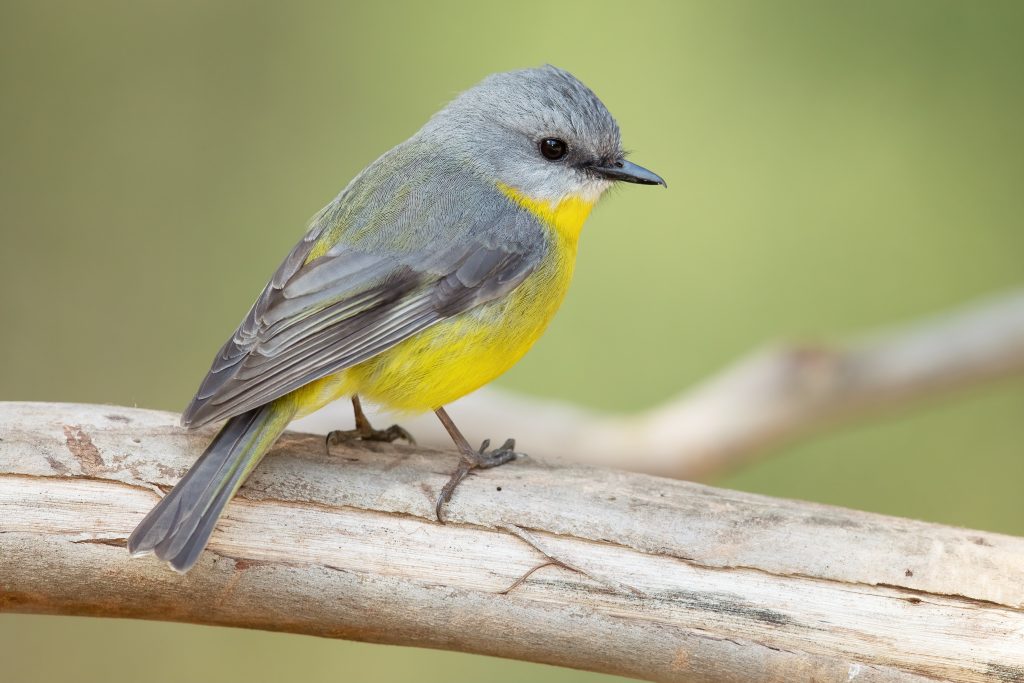
Melodies of the Wild: The Art of Birdsong
Birdsong is a mesmerizing part of the natural world that captivates our senses and enriches our outdoor experiences. The intricate melodies of singing birds not only beautify our surroundings but also serve important biological and ecological functions. In North America, a variety of species stand out for their remarkable vocal abilities and enchanting songs. As we explore these popular singing birds, we will delve into what makes each one unique, both in sound and in significance to their ecosystems.
One of the most recognizable champions of morning serenades is the American Robin. With its cheerful, whistled tunes, this bird signals the onset of spring, delighting listeners with its bright, happy melodies. Known for its ability to adapt to urban environments, the American Robin is often seen hopping around lawns, searching for worms and berries. These birds contribute to local ecosystems by controlling insect populations, thereby assisting in maintaining a healthy balance in their habitats.
Next on the list is the Common Nightingale. Though not a native species of the United States, the Nightingale’s influence has transcended borders, appearing in literature and music as the symbol of romance and nature’s beauty. Its song is marked by rich layers of melody akin to a captivating symphony, replete with various tones and pitches. The ability to mimic other sounds and incorporate them into their songs enhances the Nightingale’s appeal, making it a subject of admiration and inspiration across cultures. This captivating creature serves as a reminder of the interconnectedness of art and nature.
The ethereal Wood Thrush, often found in dense woodlands of the eastern United States, boasts a haunting, flute-like melody that can evoke deep emotions in listeners. This bird is recognized for its ability to produce a distinctive two-part song, adding a haunting beauty to the forest’s ambiance. Importantly, the presence of Wood Thrushes is an indicator of a healthy forest ecosystem, as they require clean, unfragmented forests for breeding and foraging.
To gain a comprehensive understanding of these captivating birds, it is vital to appreciate the purpose behind their songs. Notably, songs can serve several key functions:
- Mating Calls: Male birds often sing to attract females, showcasing both their fitness and territory.
- Territorial Defense: A robust song can deter rival males, helping to establish and defend their territory.
- Communication: Females and parents use calls to communicate with their young and signal readiness for mating.
As we continue our exploration into the world of singing birds, we will examine their ecological roles in depth and discuss the conservation challenges they face. Understanding these remarkable species not only enhances our appreciation of their beauty but also fosters a greater commitment to protecting the diverse ecosystems that support their existence.
Singing Birds: Popular Species and Their Unique Characteristics
Singing birds are a captivating subject that draws the attention of birdwatchers, enthusiasts, and nature lovers alike. Among the myriad of species, certain avian characters stand out due to their enchanting melodies and distinct traits. Here, we delve into some of the most popular singing birds, exploring their unique characteristics that not only define them but also endear them to humans.
| Bird Species | Unique Characteristics |
|---|---|
| Common Nightingale | Renowned for its powerful and beautiful song, this bird often sings at night, captivating those who can hear it. |
| American Robin | Recognizable by its bright orange chest, the American Robin’s cheerful song heralds the arrival of spring. |
| Song Sparrow | Versatile in its tunes, the Song Sparrow has a wide range of melodies, often mimicking the sounds around it. |
Each of these species showcases not just the beauty of their songs but also their ability to adapt to various environments. By understanding more about these incredible birds, we gain insight into their important place in the ecosystem and the joy they bring into our lives. Dive deeper into the world of singing birds and discover their fascinating stories, behavior, and the roles they play in nature.
LEARN MORE: Click here for essential pet dental health tips
More Melodic Wonders: Magnificent Singers of the Skies
Continuing our exploration of the enchanting world of singing birds, we introduce the captivating Eastern Whip-poor-will. This species is renowned not only for its distinctive vocalization but also for its intriguing nocturnal habits. The bird’s name mimics its call, a repetitive “whip-poor-will” that echoes through eastern woodlands on warm summer nights. These birds are typically found in open fields and forest edges, where they thrive on a diet of insects, primarily moths. Their unique songs function as a mating call, with males often singing continuously during the breeding season to establish their territory and attract females. The Eastern Whip-poor-will’s song not only embodies the spirit of the summer evening but also serves as an indicator of healthy insect populations, showcasing the interconnectedness of their role in the ecosystem.
Venturing into the realm of song sparrows, these small, unassuming birds are another example of the diversity within the world of avian music. Found throughout North America, the Song Sparrow is a prolific singer, capable of producing a varied repertoire of melodious phrases that reflect their adaptability to different habitats. The typical song is a cheerful series of clear notes, often punctuated by trills and chatter, allowing males to announce their presence and attract potential mates. These birds also play a significant ecological role, feeding on seeds and insects and providing prey for predators, maintaining the balance in their environments. Their melodic presence is often an early morning highlight for birdwatchers and nature lovers alike.
Another remarkable species worth noting is the Carolina Wren, whose spirited and lively tunes bring warmth to the southern U.S. forests and gardens. Known for their loud, distinctive songs that can carry for miles, Carolina Wrens not only communicate loud and clear during the breeding season but also throughout the year. Their song is a mixture of complex phrases, often chattering and chirping, that makes it a favorite among backyard bird enthusiasts. Beyond their musicality, Carolina Wrens play a pivotal role in local ecosystems, helping to control insect populations and dispersing seeds, which contributes to plant regeneration.
As we highlight these exceptional species, it’s important to acknowledge the broader impacts of their songs on culture and human experiences. Birdsong is often celebrated in various forms of art, from poetry to music, inspiring countless works that reflect nature’s influence on human creativity. Additionally, scientists have documented the psychological benefits of listening to birdsong, noting that it can reduce stress, improve mood, and enhance overall well-being. This dynamic relationship between humans and birds underscores the necessity of preserving their habitats and ensuring that future generations can continue to revel in the beauty of nature’s soundscape.
However, the songs of these remarkable birds face challenges due to habitat loss, climate change, and pollution. Understanding the ecological significance of singing birds becomes crucial as we navigate these pressing issues. Their ability to adapt and thrive in changing environments serves as a testament to their resilience, yet it emphasizes the importance of conservation efforts to protect the habitats they rely on. As we turn our focus to the unique characteristics of additional popular singing birds, we will uncover more about their vital roles in maintaining biodiversity and the ongoing efforts to safeguard their existence.
DISCOVER MORE: Click here to learn about your pet’s dietary needs
Final Thoughts on the Melodious World of Singing Birds
In conclusion, the realm of singing birds showcases a remarkable diversity of species, each with its unique characteristics and contributions to the ecosystem. From the enchanting melodies of the Eastern Whip-poor-will to the cheerful tunes of the Song Sparrow and the lively calls of the Carolina Wren, these birds not only captivate our senses but also play crucial roles in maintaining ecological balance. Their songs are not just a delightful auditory experience; they serve as vital communication tools during mating rituals and territorial displays, providing insight into their behavioral patterns and environmental health.
Moreover, the impact of their songs extends beyond nature, resonating with human creativity and well-being. The therapeutic benefits of listening to birdsong, from reducing stress to enhancing mood, highlight the interconnected relationship between humans and the avian world. As we navigate the challenges posed by habitat loss and environmental changes, the importance of conservation efforts cannot be overstated. Protecting the habitats of these splendid singers is essential to ensuring that future generations can enjoy the symphony of nature.
As we observe and appreciate the songs of these popular species, let us remember that they are not mere sounds, but echoes of a rich tapestry of life that enriches our world. By fostering a deeper understanding and appreciation for these remarkable creatures, we can contribute to their preservation and celebrate the beauty of nature’s song. To explore more about the unique characteristics and stories of other singing birds, consider delving into local birdwatching resources or joining community initiatives aimed at protecting their habitats. Every effort counts in the timeless melody of our planet’s avian life.