
Service Dog Training: Methods and Ethical Considerations
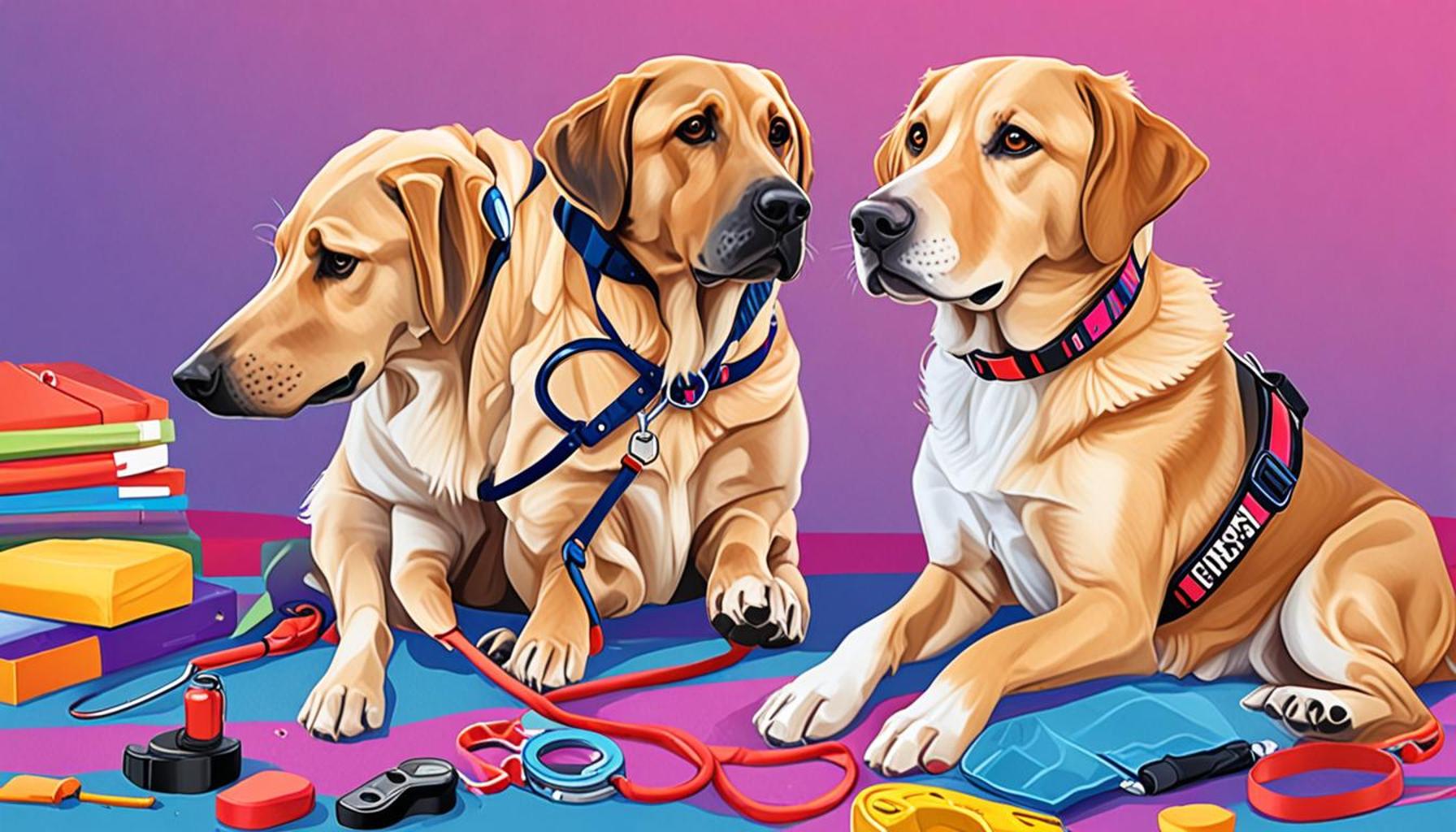
The Vital Role of Service Dog Training
The impact of service dogs on the lives of individuals with disabilities cannot be overstated. These remarkable animals are trained not just to perform tasks that assist their handlers, but also to provide emotional support in challenging situations. The journey of training a service dog is multifaceted, involving various methodologies and significant ethical frameworks that are crucial to their effectiveness in fulfilling their roles.
At the core of successful service dog training are effective methodologies designed to establish a strong, cooperative bond between the handler and the dog. These methods include:
- Positive Reinforcement: This widely accepted technique revolves around rewarding desirable behaviors, such as sitting on command or maintaining focus in distracting environments. Rewards can range from treats to verbal praise and petting, ensuring that the dog associates positive experiences with good behavior.
- Clicker Training: This method employs a clicker—a small handheld device that makes a distinct sound—to mark behaviors that the trainer wishes to reinforce. For example, if a dog successfully retrieves an item, the trainer clicks the device followed by a treat. This clear communication helps the dog understand exactly which behavior is being rewarded.
- Socialization: An integral part of training involves exposing dogs to diverse environments, noises, and people to enhance their adaptability. Service dogs often navigate busy streets, crowded public transport, and various social settings. Proper socialization ensures they remain calm and responsive in real-world scenarios.
Yet, the journey of service dog training extends far beyond techniques; it invites critical ethical considerations. Among these are:
- Training Standards: It’s vital that trainers adhere to established training protocols to ensure dogs are equipped to handle their responsibilities effectively. Organizations like Assistance Dogs International (ADI) set standards that are widely recognized in the field.
- Welfare of the Dog: Ethical trainers prioritize the mental and physical health of the animal, ensuring that training is humane and that dogs are not subjected to undue stress or fatigue. Regular breaks, exercise, and social interaction should remain integral to their lives.
- Owner-Dog Dynamics: A successful partnership relies on fostering a relationship built on respect and trust. Handlers must be attuned to their dog’s needs and signals, leading to a harmonious working dynamic that benefits both parties.
The intricate process of service dog training requires not only a deep understanding of various techniques but also a strong commitment to these ethical standards. As society increasingly recognizes the importance of these brave animals, there is a growing need for comprehensive education around effective training practices. This article aims to explore these methods in detail and guide individuals interested in or currently training service dogs to foster fulfilling relationships based on mutual support and respect.
DISCOVER MORE: Click here to learn about a balanced diet for your pet’s health
Effective Training Techniques for Service Dogs
The training of service dogs encompasses a variety of methods that collectively shape these extraordinary animals into reliable companions and assistants. Understanding these techniques is crucial not just for trainers, but also for prospective service dog handlers seeking to create a productive and harmonious partnership.
Positive Reinforcement stands as one of the foundational techniques in service dog training. This method emphasizes rewarding desired behaviors rather than punishing undesirable ones. Research has shown that dogs respond more effectively when rewarded, as this approach fosters a positive learning environment. For instance, when training a dog to guide a person with visual impairments, every time the dog successfully navigates an obstacle with a cue, a treat or enthusiastic praise encourages them to repeat this behavior in the future.
Another effective approach is Clicker Training, which serves as a more precise form of positive reinforcement. This method utilizes a small device that emits a clicking sound to mark the exact moment a dog performs a desired action. The click, immediately followed by a reward, makes it clear to the dog what behavior is being reinforced. This technique is particularly useful in teaching complex tasks, such as retrieving specific objects or responding to cues in varying environments. The immediacy of the click helps bridge the communication gap, ensuring the dog fully understands which specific behavior was rewarded.
Socialization also plays a pivotal role in shaping a service dog. Exposing them to different people, sounds, and environments is essential to develop their adaptability. A well-socialized dog is better equipped to handle the unpredictability of daily life, such as bustling sidewalks or crowded shops. This exposure not only calms the dog but also enhances their ability to focus on their handler in distracting situations. Trainers often arrange visits to parks, public transport, and community events to help prepare the dog for real-world challenges, reinforcing their ability to remain calm under pressure.
While these training methodologies form the basis of effective service dog preparation, it is integral to consider the accompanying ethical considerations that guide these practices. Among the most significant are:
- Adherence to Training Standards: Organizations like the International Association of Assistance Dog Partners (IAADP) and Assistance Dogs International (ADI) have established protocols that trainers should follow to ensure consistency and effectiveness in training.
- Prioritization of Dog Welfare: It is essential for trainers to recognize the physical and emotional needs of service dogs. Ethical training practices discourage excessive training sessions that could lead to burnout and stress, ensuring that dogs are treated with humane methods and allowed ample time for rest and play.
- Building a Trusting Relationship: The dynamic between handler and dog must be rooted in respect. A dog that feels secure and trusted will perform better in its role. Trainers and handlers alike should engage in activities that enhance mutual understanding and respect.
As the discussion surrounding service dog training evolves, so does the appreciation for the underlying methodologies and ethical considerations that enrich the lives of both service dogs and their handlers. By embracing proven training techniques while remaining mindful of ethical implications, we can better support the invaluable role that service dogs play in our communities.
| Training Methods | Ethical Considerations |
|---|---|
| Positive Reinforcement | Ensures a trusting relationship between dog and trainer. |
| Clicker Training | Promotes clear and consistent communication, respecting the dog’s learning pace. |
| Socialization Techniques | Protects the mental health of service dogs by exposing them to various environments responsibly. |
| Task-Specific Training | Ensures that service dogs are properly equipped to assist their handlers. |
The field of Service Dog Training encompasses a variety of methods designed to enhance the skills of service dogs while ensuring their welfare. Positive reinforcement, a favored technique, not only fosters effective learning but also nurtures a bond of trust between the dog and handler. Meanwhile, clicker training provides a precise communication tool that respects the learning journey of these intelligent animals.Equally critical are the ethical considerations that guide this training. Techniques like socialization are fundamental, as they allow service dogs to navigate diverse situations, safeguarding their mental well-being. Additionally, task-specific training ensures that service dogs can fulfill their roles effectively, enhancing the quality of life for their handlers. Exploring these methods can reveal a deeper understanding of the intricate balance between training effectiveness and animal welfare in the world of service dog training.
DON’T MISS: Click here for essential pet owner tips
Innovative Approaches and Future Directions in Service Dog Training
As the field of service dog training continues to evolve, innovative approaches are emerging that enhance training efficacy while also emphasizing ethical considerations. The integration of technology into training methods presents both exciting opportunities and new challenges.
Remote Training Devices have entered the service dog training landscape, allowing trainers to communicate with dogs over distances. These devices often employ cues through vibrations or sound to clarify commands and reinforce behaviors in real-time. While these technologies can facilitate training outside the traditional instructor-led environment, ethical dilemmas arise. Trainers must ensure that these devices are used humanely, avoiding punishment or discomfort for the dog, which can lead to insecurity and fear.
Virtual Reality (VR) Training is another promising trend. This method immerses service dogs in simulated environments where they learn to navigate challenges without the unpredictability of real-world distractions. For example, a dog can practice guiding its handler through a mock busy street or a simulated crowded space. This controlled environment ensures that the dog learns essential skills while also allowing for repeatable practice in various scenarios. Nonetheless, ethical considerations must be taken into account, ensuring that the dog is not overwhelmed and is engaged in a way that promotes their well-being.
Furthermore, there is growing recognition of the importance of handler education in service dog training programs. Trainers are increasingly emphasizing the role of the handler in establishing a successful partnership. This involves educating handlers about canine behavior, body language, and the specific needs of their service dog. Workshops and seminars can equip handlers with the knowledge and skills necessary to support their dogs effectively. Well-informed handlers tend to foster better communication and create a nurturing environment, which can significantly enhance the dog’s responsiveness and performance.
Service dog training is also increasingly guided by the principles of Positive Reinforcement Training and Force-Free Methods. These ethical frameworks prioritize the psychological well-being of the dog and promote learning through encouragement rather than intimidation or fear. The rise of such approaches is supported by a wealth of scientific research indicating that dogs trained through positive methods exhibit lower levels of stress and anxiety, leading to more effective and reliable service performances.
Moreover, the role of Canine Behaviorists is becoming more prominent within service dog training programs. These specialists provide expertise on the emotional and social needs of dogs, crafting individualized training regimens that consider the dog’s unique personality. This personalization not only accelerates the learning process but also aligns training objectives with the dog’s inherent nature, resulting in a more comfortable and confident service dog.
Finally, the ethical implications extend to ongoing support for retired service dogs. As these dogs transition out of their roles, providing them with a fulfilling retirement is paramount. Programs that assist in finding suitable homes and ensure continued care are essential in acknowledging the invaluable service these animals have provided. By maintaining ethical standards in all stages of a service dog’s life, from training to retirement, we celebrate their contributions while safeguarding their welfare.
The future of service dog training lies in balancing the integration of innovative techniques with steadfast ethical practices. This blend not only enhances the training efficacy but also respects the profound bond between service dogs and their handlers, ensuring both parties thrive within a mutually supportive and enriching environment.
DISCOVER MORE: Click here to learn about the pros and cons of different pets
Conclusion: Navigating Service Dog Training with Ethics and Innovation
In summary, the realm of service dog training is at a pivotal juncture, characterized by the introduction of new methodologies and the reinforcement of ethical standards. The innovative technologies, such as remote training devices and virtual reality simulations, are proving to be invaluable tools for adapting training practices to modern needs. However, as these methods advance, they also raise significant ethical questions that demand thoughtful consideration. Ensuring that these technologies do not inadvertently compromise the well-being of service dogs is of paramount importance.
The emphasis on positive reinforcement and force-free methods demonstrates a significant shift in how trainers approach canine education, prioritizing the mental and emotional health of the dogs. Additionally, the growing role of canine behaviorists showcases the trend towards personalized training regimens that recognize each dog’s unique temperament and strengths, fostering a deeper bond between handler and service dog.
Moreover, the aspect of handler education cannot be overlooked; empowering handlers with knowledge enhances their ability to support their dogs effectively, creating a harmonious partnership that thrives in real-world environments. As we look to the future, the commitment to enriching the lives of both service dogs and their handlers will not only enhance the efficacy of training but will also promote a more compassionate perspective within the field.
In recognizing the profound impact that service dogs have on the lives of individuals with disabilities, we must ensure that our approach to their training is both innovative and ethically sound. By balancing the advancements in training with a staunch adherence to ethical practices, we can create an environment where service dogs flourish, ultimately benefiting the handlers they are destined to support.