
Pet Animal Species for Seniors: Selecting Accessible and Low-Maintenance Companions
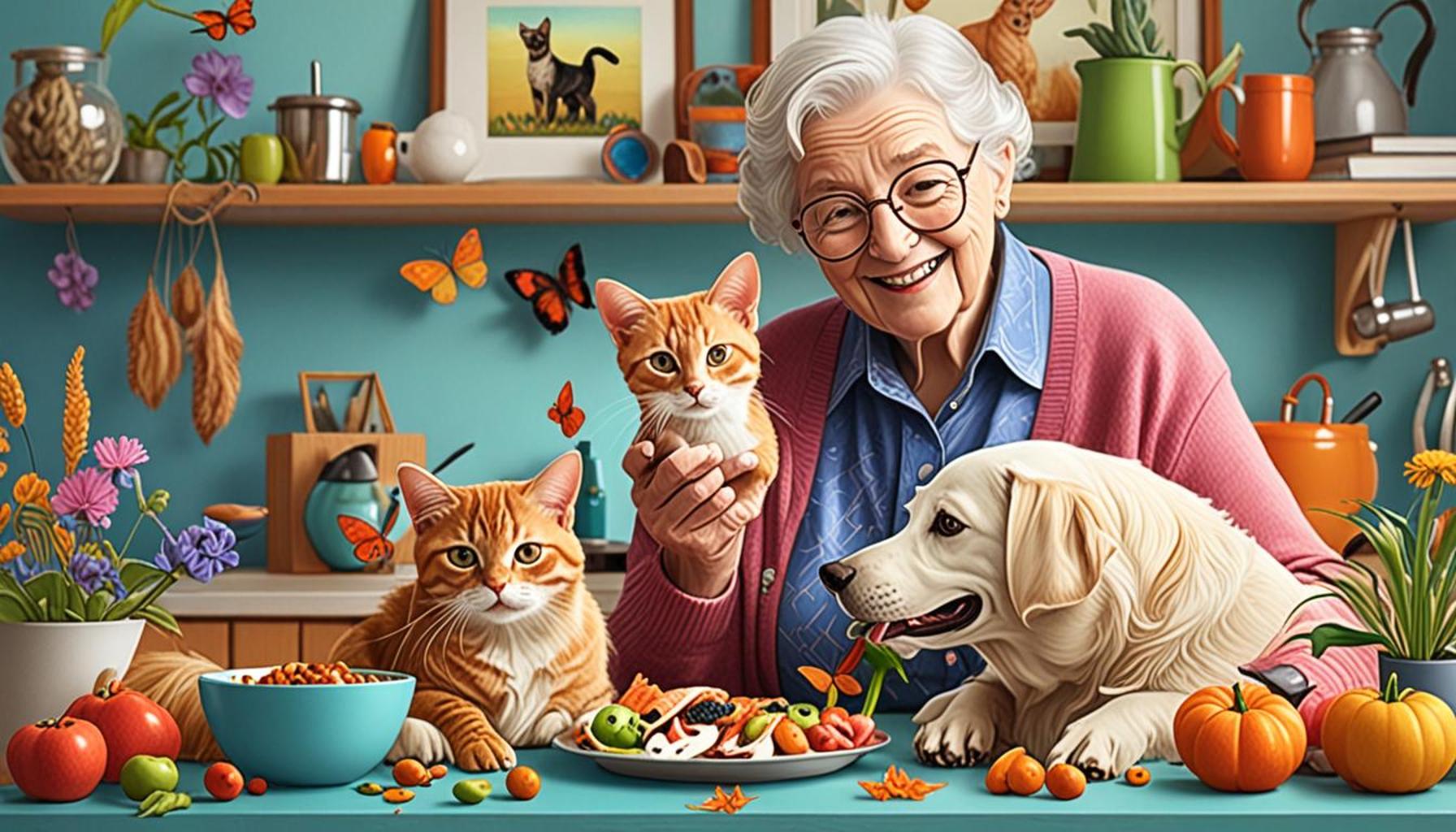
Finding the Perfect Pet for Seniors
As we move through different stages of life, the importance of companionship remains significant, especially for seniors. A pet can provide comfort, joy, and a renewed sense of purpose in daily routines. However, choosing the right animal is essential to ensure that the pet fits seamlessly into one’s lifestyle and physical ability. For many seniors, the perfect pet embodies qualities of accessibility and low maintenance, harmonizing companionship with manageable responsibility.
When considering a pet, it is vital to evaluate several key features:
- Low Activity Requirements – Many older adults prefer pets that do not require extensive outdoor exercise. For instance, small dog breeds such as Cavalier King Charles Spaniel or even a relaxed feline can satisfy the desire for companionship without excessive activity demands.
- Easy Care – Select animals that require minimal grooming and upkeep. For example, short-haired cats and dogs tend to need less frequent grooming than their long-haired counterparts, allowing for a more manageable care routine.
- Affectionate Nature – It’s essential to find pets known for their friendly demeanor. Breeds such as Golden Retrievers or even affectionate cats like Ragdolls can provide a nurturing bond without aggressive behavior, boosting emotional well-being.
Several pet options are particularly popular among seniors, each offering unique benefits:
- Cats – Known for their independent nature, cats require less attention and are often content with gentle interaction. Their low-maintenance lifestyle makes them ideal for older adults who may have mobility issues.
- Small Dogs – Breeds like the Pug and Bichon Frise are not only adorable but also well-suited for senior owners. Their small size makes them easier to manage, and their playful personalities can bring joy and laughter into a home.
- Fish – For those preferring an animal that requires no direct interaction, maintaining a colorful aquarium can be both calming and visually appealing. The act of caring for fish can also promote relaxation and reduce stress.
Choosing the right pet can profoundly affect a senior’s living environment, offering not just companionship but also a sense of belonging and responsibility. To ensure a proper fit, it may be helpful to research and weigh the pros and cons of different species. Local animal shelters or pet expos may provide opportunities to engage with various animals, enlightening seniors to the best choices for their lifestyle. By delving deeper into the types of pets available, one can find the perfect furry (or scaled) friend that meets both emotional needs and lifestyle preferences.
DON’T MISS: Click here to discover essential pet owner gear

The Ideal Pet Choices for Seniors
As seniors navigate their golden years, the companionship of a pet can enhance their quality of life in remarkable ways. However, selecting a pet that aligns with their physical capabilities and lifestyle choices is crucial. When evaluating potential furry companions, understanding their specific needs and characteristics can facilitate a better experience for both the pet and the owner. Here, we delve into a variety of pet options that meet accessibility and low-maintenance criteria while also offering emotional support.
Cats: The Independent Companions
Cats are often hailed as one of the best pet options for seniors. Their independent nature means they require less attention than dogs, making them perfect for older adults who may struggle with mobility issues or fatigue. Many cat breeds are known for their friendly demeanor, providing affection without being overly demanding. Breeds such as the British Shorthair or the American Shorthair are particularly well-regarded for their easygoing personalities. Additionally, their self-sufficient grooming habits make them low-maintenance compared to their canine counterparts.
Small Dogs: A Perfect Blend of Fun and Manageability
For seniors who desire the loyal companionship of a dog, selecting a small dog breed can be a smart choice. Breeds such as Chihuahuas, Pekingese, or Cocker Spaniels typically have lower energy levels and exercise needs than larger dogs. Their small size also allows for easier handling and less strain on the owner’s physical health when taking them outdoors. These breeds often form strong emotional bonds, offering joy and laughter that can significantly enhance an older adult’s life.
Fish: The Low-Maintenance Alternative
For those who prefer a pet that requires minimal interaction, keeping fish can be a rewarding choice. An aquarium filled with colorful fish can create a tranquil atmosphere in any home, providing visual pleasure without the demands of active companionship. Freshwater fish like Betta fish or Goldfish are not only easy to care for, but they also offer a meditative experience for their owners. Watching fish swim can promote relaxation and has been shown to reduce stress, making them an ideal pet for seniors who may need a calming presence in their life.
Rabbits and Guinea Pigs: Small but Social
Rabbits and guinea pigs are also excellent pet options for seniors seeking playful yet low-maintenance companions. These small animals have a gentle disposition and can be litter trained, which simplifies care routines. Rabbits, particularly breeds like the Holland Lop and Mini Rex, require little grooming and can be entertained with interactive toys. Similarly, guinea pigs thrive on companionship and can provide emotional support with their playful and social nature, making them a wonderful choice for seniors.
Ultimately, the right pet can greatly enrich the lives of seniors by offering both companionship and joy. When considering which pet to adopt, it’s essential to reflect on the specific characteristics and care requirements of each species. Engaging with local animal shelters or pet shops can also provide insight into the best matches for a senior’s lifestyle, ensuring that the bond formed is one of mutual satisfaction and nurturing.
| Category | Key Features |
|---|---|
| Small Dog Breeds | Easy to care for, friendly, and adaptable to smaller living spaces. |
| Low-Maintenance Cats | Independent, litter-trained, and require minimal grooming. |
| Fish | Minimal interaction required, soothing to watch, easy to maintain tanks. |
| Birds | Interactive companions without much need for regular physical exercise. |
As we consider the best pet choices for seniors, it’s essential to look for species that are not only low-maintenance but also supportive of a tranquil lifestyle. Small dog breeds, like Cavalier King Charles Spaniels or Pugs, are perfect companions, bringing joy without overwhelming energy needs. These breeds create companionship while being manageable in size and care requirements.In contrast, low-maintenance cats offer independence paired with affection. Their litter-training allows for easy upkeep, making them perfect for those who might struggle with mobility issues. Similarly, fish can provide a calming presence in a home, as they require little maintenance beyond regular tank upkeep, while their serene movements can be quite meditative.For an interactive option, consider birds such as Canaries or Parakeets. These feathered friends give a burst of life and color without demanding strenuous activities, making them suitable for seniors looking for a lively companion. The key is to find a balance between accessibility and enjoyment, ensuring that your new friend will enrich your life without adding unnecessary stress.
DON’T MISS OUT: Click here to learn essential puppy socialization techniques
Exploring More Pet Options: Birds, Reptiles, and Other Companions
While cats and small dogs are popular choices for seniors, a broader array of pet animal species can also provide companionship while maintaining low-maintenance requirements. From birds to reptiles, exploring these unique options can enhance the lives of older adults seeking accessible and engaging companions.
Birds: The Feathered Friends
Birds can be delightful companions for seniors, combining beauty, sociability, and relatively low maintenance. Parakeets and canaries are particularly well-suited for seniors, as they are small, easy to care for, and can be content in smaller living spaces. Their cheerful chirps and playful antics provide entertainment and can help combat feelings of loneliness. With simple care routines involving feeding and occasional cage cleaning, these flying friends require less physical effort compared to many other pets.
One of the compelling aspects of bird ownership is their ability to mimic sounds and phrases, which may foster interaction and enhance emotional bonds. Seniors who enjoy conversational company might find a parrot, like a Budgerigar or a Cockatiel, a joyful choice, as these birds are known for their vibrant personalities and social behavior.
Reptiles: A Unique Low-Maintenance Option
Choosing reptiles as pets may surprise some, but animals like turtles and geckos can be surprisingly suitable for seniors. Turtles, in particular, require minimal handling and can be left to roam in their habitats, making them fantastic low-maintenance companions. Simple dietary needs and relatively easy care routines add to their accessibility.
If a senior prefers more interaction, Leopard Geckos are another excellent option. Known for their docile nature and ease of handling, these reptiles can be engaging without the extensive care requirements associated with other pet species. Their ability to thrive in a controlled environment offers peace of mind to caregivers and seniors alike.
Beneficial Treats: Small Pocket Pets
Consideration for small pocket pets—like hamsters, gerbils, or mice—can also be a great fit. These creatures are relatively inexpensive to care for and do well in cages that don’t take up too much space. Their charming behaviors, like running on wheels or burrowing, can provide endless enjoyment without requiring a significant time commitment.
Moreover, these small animals can often be easily handled, allowing seniors to engage with them comfortably. However, it is advisable to ensure that any handling is gentle and supervised, as these critters can be a bit delicate.
Adopting for Accessibility: Supportive Organizations
When it comes to finding the ideal pet match, local animal shelters and rescue organizations can be invaluable resources. Many facilities cater to the needs of seniors by providing information about pet care, training, and appropriate matches based on specific lifestyle requirements. Programs such as Pet Therapy also stimulate emotional well-being and provide temporary companionship, fostering important connections between seniors and animals.
Overall, the choice of pet should reflect not only the individual’s lifestyle but also their physical and emotional capacities. Engaging in meaningful companionship leads to enriched daily living and fosters an enduring bond that can significantly uplift the spirit in the later stages of life.
DON’T MISS OUT: Click here to learn how to keep your senior dog thriving
Conclusion: The Perfect Companion Awaits
As we have explored, the journey toward selecting the right pet animal species for seniors is both enriching and essential. While traditional pets like cats and small dogs certainly bring joy, the diverse options of birds, reptiles, and small pocket pets offer equally appealing choices that can accommodate the unique needs of older adults.
Birds, with their vibrant personalities and minimal care requirements, can brighten a senior’s day with their cheerful songs and social interactions. Similarly, reptiles like turtles and Leopard Geckos provide low-maintenance companionship, requiring little more than a warm habitat and simple dietary needs. In contrast, small pocket pets like hamsters and gerbils introduce fun and charm without overwhelming care routines.
Moreover, the supportive role of local shelters and organizations cannot be overstated. They can help seniors navigate their options, ensuring that any new companion complements their lifestyle while promoting emotional well-being. It’s important to remember that the right pet should align with the individual’s physical capabilities and emotional needs, enhancing daily living and fostering connections that enrich life.
In the end, the search for the ideal pet is about more than just the animals themselves; it is an opportunity for seniors to discover joy, companionship, and a renewed sense of purpose. With thoughtful consideration, seniors can find their perfect match, a companion who not only shares their home but also enriches their life.