Less Common Pet Species: What You Need to Know Before Adopting
Exploring Unique Companionship
When considering a pet, many people gravitate towards dogs or cats, but what if you could have a more unique companion? Less common pet species offer a fascinating alternative to traditional pets, each with its own set of needs and characteristics. Before diving into adoption, it’s essential to arm yourself with the right knowledge.
Why Choose a Less Common Pet?
There are numerous reasons to explore less common pet species:
- Diversity: Unique pets can provide extraordinary companionship that might not be found in traditional pets. For instance, the quirky personality of a ferret or the calming presence of a turtle can enrich your life in surprising ways.
- Space-saving: Some species require less room than traditional pets. If you’re living in a smaller apartment, a well-cared-for reptile or a couple of rabbits may be a more convenient choice than a dog that needs ample space to roam.
- Maintenance: Certain pets may have lower upkeep requirements. While some exotic pets require specialized diets or habitats, others, like hamsters or guinea pigs, are relatively low-maintenance and can thrive on basic care.
Examples of Less Common Pets
Curious about what species might be right for you? Here are some intriguing options, each with their own fascinating traits:
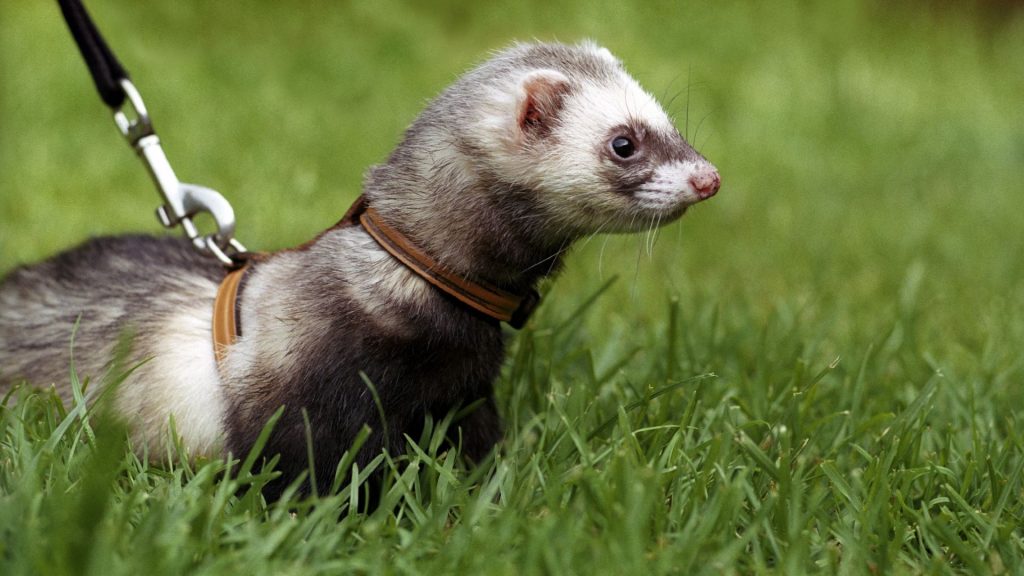
- Ferrets: These playful and social creatures are known for their energetic antics. They enjoy interactive play and bond closely with their owners, but they do require a safe environment and socialization to thrive. Ferrets typically live for 6-10 years, so potential owners should be prepared for a long-term commitment.
- Rabbits: Intelligent and affectionate, rabbits can be litter-trained and enjoy engaging with their human companions. They are social animals that thrive with plenty of interaction and mental stimulation. A strong diet including fresh vegetables and hay and adequate space for hopping around are crucial aspects of their care.
- Reptiles: Species like corn snakes, bearded dragons, and box turtles each have different care needs. For example, bearded dragons are known for their friendly demeanor and require a specific temperature range and UV lighting to remain healthy. It’s essential to do thorough research on the species you’re interested in, as their housing and dietary needs can vary significantly from those of more traditional pets.
Each of these species can bring joy and companionship into your life. However, it’s crucial to research and understand their specific requirements before making a decision. From ensuring you’re prepared for the dietary needs, environmental considerations, and longevity of these less common pets, knowledge is key. This article will explore everything you should consider before adopting a less common pet species, leading you to make a well-informed choice for both your lifestyle and your potential new friend.
DISCOVER MORE: Click here to improve your cat training skills
Understanding the Commitment
When considering adopting a less common pet species, one of the most critical aspects to evaluate is the level of commitment required. Unlike dogs and cats, which have well-documented care guidelines, unique pets often come with a set of distinct requirements tailored to their specific species. Understanding these needs is vital to ensuring a happy and healthy environment for your new companion.
Longevity and Lifespan
Many less common pets can live surprisingly long lives, which can be an essential factor in your decision-making process. Here’s a brief overview of the lifespan of some popular less common pet species:
- Ferrets: Typically live between 6-10 years, requiring a long-term commitment from their owners.
- Rabbits: Can live anywhere from 8 to 12 years, demanding a significant dedication to their well-being.
- Reptiles: Depending on the species, reptiles can have varied lifespans. For instance, a bearded dragon may live for about 10-15 years, while turtles can live for several decades, roughly 20-50 years for common species.
Potential pet owners should recognize that adopting a less common species can involve a commitment that matches or even extends beyond that of conventional pets. Assessing your lifestyle and future plans is crucial, as you’ll want to ensure that you can provide stable care for your new friend throughout their life.
Specialized Care Requirements
Less common pets often require very specific care that may differ significantly from traditional animals. For instance, they might need unique diets, specialized habitats, or regular veterinary care from professionals knowledgeable about exotic species. Before moving forward with adoption, consider the following:
- Diet: Many exotic pets need specialized diets that differ from standard pet foods. For example, bearded dragons require a diet rich in vegetables and insects, while rabbits thrive on hay, fresh greens, and specially formulated pellets.
- Housing: The housing needs can be complex. Reptiles often need specific temperature ranges and UV lighting in their habitats, while other species may require larger enclosures to accommodate their size and activity levels.
- Socialization: Many less common pets are social creatures that thrive on interaction. Ferrets and certain birds, such as parakeets, need regular social engagement to maintain good mental health. In contrast, some reptiles may be more solitary and less interactive.
Understanding these individualized care needs is essential before adopting. Failing to meet their requirements could lead to health issues or behavioral problems, ultimately putting your new pet at risk. Investing time in research ensures that you are adequately prepared for the unique challenges that come with providing a home for these fascinating animals.
Understanding Less Common Pet Species
When considering the addition of a pet to your family, many overlook the benefits of adopting less common species. These unique animals can not only make wonderful companions but also provide enriching experiences that differ significantly from traditional pets like dogs and cats. However, before diving into the adoption process, it is essential to understand their specific needs and characteristics.
Unique Benefits of Less Common Pets
Less common pet species, such as reptiles, exotic birds, and small mammals, come with their own sets of intriguing attributes. Not only do they offer a distinct presence in your home, but they also often require less space and have different dietary needs compared to typical pets. For instance, reptiles such as bearded dragons and snakes may need specialized habitats but are often low-maintenance in terms of daily interaction. Adopting less common pets can also be a remedy for allergies that some may have towards fur-bearing animals. Many people find that species like frogs, turtles, and guinea pigs can provide the same companionship without the allergic reactions associated with cats and dogs.Moreover, these species can spark interest and curiosity, especially in families with children, fostering education about biodiversity and responsibility. Each less common species comes with its own care requirements, so potential pet owners must conduct research to ensure they can meet these needs adequately.
The Importance of Research
Before adopting a less common pet, it is crucial to invest time in studying the specific needs of the species you are considering. Information on their dietary requirements, habitat setup, and socialization needs differs widely among species. Researching these aspects can help prevent potential pitfalls, leading to a more fulfilling experience for both the pet and the owner.For example, smaller mammals like ferrets or hedgehogs can be delightful companions but require specific handling to ensure their comfort and safety. Similarly, exotic birds need mental stimulation and interaction to thrive.Prospective pet owners are encouraged to visit local pet stores or animal shelters specializing in less common species. This exploration can reveal unique pets looking for forever homes and provide firsthand knowledge about their care.Integrating less common species into your home can be a rewarding endeavor. With the right information, care, and attention, these extraordinary animals can enrich your life in unexpected ways.
DISCOVER MORE: Click here to find out the pros and cons
Legal Considerations and Regulations
Before you bring a less common pet species into your home, it is crucial to familiarize yourself with the various legal considerations and regulations that may apply. Different states in the U.S. have specific laws governing the ownership of certain exotic animals, which can impact your decision significantly.
Permits and Licensing
Some less common pets are classified as exotic or wild animals and may require special permits or licenses to own legally. For instance, owning a hedgehog is legal in many states, but others, such as California and New York City, have banned them altogether. Similarly, certain states regulate the ownership of reptiles and mammals, including raccoons and servals, necessitating compliance with state wildlife laws.
Before adopting any less common pet, ensure you research your local regulations and inquire if any permits are needed. Ignorance of the law won’t exempt you from penalties, which can include heavy fines or the confiscation of your pet.
Avoiding Illegal Trade
The exotic pet trade can sometimes involve illegal activities, such as poaching and trafficking endangered species. Adopting a pet from an unverified source can contribute to these troubling practices, and it may unknowingly put you at risk for legal repercussions. It is vital to seek reputable breeders or adoption facilities that follow ethical and legal guidelines.
Organizations such as the U.S. Fish and Wildlife Service and the Animal Welfare Institute provide resources to help potential pet owners identify reputable sources and understand legal stipulations surrounding various species. Furthermore, adopting rescues from shelters can be a responsible way to welcome a new companion while avoiding participation in the illegal pet trade.
Health and Veterinary Care Considerations
Health care for less common pets can differ significantly from those of more conventional animals. Finding a veterinarian who specializes in exotic species is essential, as general practitioners may lack the knowledge necessary to provide the appropriate care.
- Regular Check-ups: Regular check-ups are vital for early disease detection and maintaining your pet’s health. Some exotic pets may require vaccinations, medications, or specific treatments unavailable for traditional pets.
- Preventative Care: Preventative measures, such as parasite control and dental health practices, may need to be tailored to the species. Researching particular needs associated with your chosen pet is crucial.
- Emergency Care: Consider the availability of specialized veterinary care in your area. Seek out clinics that cater specifically to exotic pets, as their expertise can make a significant difference in emergencies.
Prioritizing the health and veterinary care considerations will ensure your less common pet receives the support it deserves, which is often a significant commitment from the owner.
Community Resources and Support
Finding a supportive community can significantly aid in navigating the complexities of owning a less common pet. Online forums and local exotic pet clubs can provide valuable information and a platform for discussing challenges and successes you might face as a pet owner.
Participating in community events hosted by these forums can also enhance your knowledge and skills. Engaging with other owners not only helps you share experiences but can also lead to friendships and a network of support should you encounter difficulties.
Moreover, various organizations exist to advocate for the welfare of exotic animals and provide educational outreach. Tapping into these resources can enrich your understanding and help ensure that your adventure with a unique pet is rewarding and responsible. By embracing these community resources, you will elevate your capacity to provide a nurturing and informed environment for your less common pet species.
DON’T MISS: Click here for essential tips
Conclusion
Adopting a less common pet species can be an enriching and rewarding experience. However, it comes with a unique set of responsibilities that require thorough consideration and preparation. From understanding legal regulations and necessary permits to ensuring proper health care, each step in the adoption journey is critical. Ignorance of the laws can lead to severe consequences, so conducting diligent research is paramount to ensure compliance and legality.
The well-being of your exotic companion should be a priority, which includes finding a veterinarian with expertise in managing species-specific health concerns. This proactive approach will allow you to provide necessary care and support throughout your pet’s life. Additionally, tapping into community resources and support networks can greatly enhance your knowledge and make the ownership experience more enjoyable and fulfilling.
Ultimately, if you are captivated by the idea of sharing your life with a less common pet, invest the time to educate yourself. Look into ethical adoption practices and consider how much time, effort, and financial investment you are willing to commit to ensure a happy and healthy life for your unique companion. By embracing these challenges with enthusiasm and preparation, you can embark on a delightful journey with your new pet, adding an extraordinary dimension to your life and home.