Identifying Pet Rodent Species: Tips for Choosing the Best Pet

Exploring Popular Pet Rodents
Choosing a pet rodent can lead to a rewarding companionship, but it is vital to understand their different needs before making a commitment. Each rodent species has its own personality traits, care requirements, and space needs, so consider these aspects carefully.
Hamsters
Hamsters are among the most popular pet rodents, especially for first-time owners. These small, nocturnal animals are known for their playful and curious nature. They thrive in well-designed habitats that include tunnels, exercise wheels, and ample bedding material for burrowing. There are several breeds, including the Syrian hamster, which is larger and more suited to solitary living, and dwarf hamsters like the Roborovski, which tend to be social. They require a balanced diet primarily consisting of commercial hamster food, supplemented with fresh fruits and vegetables.
Guinea Pigs
Guinea pigs are another beloved option, renowned for their sociability and gentle demeanor. These furry companions are happiest when kept in pairs or small groups, as they enjoy social interactions. They have a unique vocalization system that helps communicate their feelings, and they need a spacious enclosure with room to roam and a variety of toys to keep them stimulated. Their diet includes hay, pellets, and fresh vegetables, emphasizing the necessity for Vitamin C to prevent health issues.
Rats
Rats are often underestimated as pets due to preconceived notions; however, they are incredibly intelligent and affectionate creatures. Renowned for their ability to bond with humans, pet rats can learn tricks and respond to their names. They require a larger cage than hamsters, with complex structures for climbing and exploring. A well-rounded diet includes rat pellets, fresh fruits, and vegetables. Regular social interaction will keep them happy and engaged, reducing the likelihood of boredom-related behaviors.
Mice
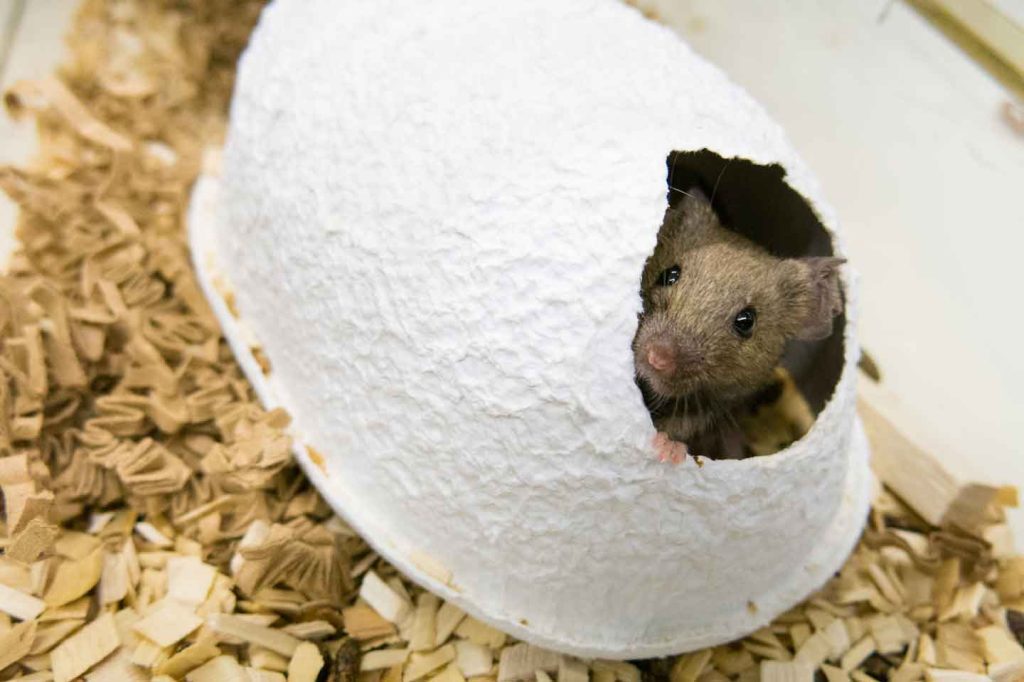
Mice are small, lively pets, perfect for individuals or families with limited space. They fit well in smaller habitats, but they thrive in environments that encourage interaction. Mice are naturally curious and enjoy exploring their surroundings. Their diet consists mainly of seeds, grains, and specialized mouse food, accompanied by the occasional treat of fruits and veggies.
Chinchillas
Chinchillas are captivating pets known for their incredibly soft fur. However, they require specific care that can be more demanding than other rodents. They thrive in larger cages that replicate their natural habitat and need dust baths to maintain their coat’s health. Their diet primarily consists of hay and specially formulated pellets. Additionally, chinchillas are crepuscular, meaning they are active during dawn and dusk, requiring quiet time during the day.
Factors to Consider
Selecting the right rodent involves assessing various factors that align with your lifestyle:
- Space Availability: Each pet rodent requires different amounts of space. Consider the size of their habitat and the room needed for exercise.
- Time Commitment: Rodents need daily interaction, socialization, and care. Determine how much time you can dedicate to your pet.
- Allergies and Sensitivities: Some individuals may have sensitivities to pet dander. It’s important to ensure that all household members can comfortably interact with the chosen pet.
By thoroughly researching and understanding the unique qualities of each rodent species, potential pet owners can make informed decisions, ensuring a harmonious relationship with their chosen companion. Entering the world of pet rodents can be an exciting journey, revealing the joys of small furry friends who can brighten your life!
DIVE DEEPER: Click here to learn effective cat training techniques
Understanding Rodent Traits and Habitats
With such a diverse range of pet rodent species available, it becomes essential to identify which one best fits your lifestyle and preferences. Despite their small size, these creatures come with unique traits and care requirements that can significantly impact your living environment. Here, we delve into the essential characteristics of several popular rodent pets to help you make an informed decision.
Gerbils
Gerbils are often praised for their lively and friendly demeanor. These small rodents thrive in pairs or groups and enjoy an active lifestyle, making them a fantastic choice for families. Adaptable to various habitats, gerbils require at least a 10-gallon tank with proper ventilation and a deep bedding layer for digging. Their natural curiosity thrives in an enriching environment filled with tunnels and toys. A diet consisting of high-quality commercial gerbil pellets, grains, and occasional vegetables ensures they remain healthy.
Degus
Degus, lesser-known than their counterparts, are social creatures that adore companionship, both from other degus and humans. Not only are they engaging pets, but they also exhibit playful behaviors, particularly when provided with ample space to run and play. They require a large, multi-level cage for climbing and exploration, which mimics their native habitat in the wild. Degus thrive on a diet of hay, pellets, and a limited amount of fresh fruits and vegetables. It’s essential to monitor their sugar intake, as they are prone to diabetes.
Fancy Mice
Fancy mice are bred in a variety of colors and patterns, making them visually fascinating pets. They are inquisitive and highly social, often bonding well with their human caretakers. A spacious cage, preferably with multi-tiered levels and plenty of hiding spots, will keep them mentally stimulated. These delightful creatures require a balanced diet of seeds, specialized mouse food, and an occasional treat of fresh produce. Engaging them with toys will encourage play and exercise, preventing boredom-related behaviors.
Husbandry Essentials
Regardless of the species you choose, proper husbandry is crucial for their well-being. Here are some common care guidelines to consider:
- Housing: Ensure the cage is appropriately sized and equipped with adequate bedding, nesting materials, and environmental enrichment.
- Nutritional Needs: Research species-specific dietary requirements to guarantee a well-rounded diet rich in essential nutrients.
- Socialization: Depending on the species, many rodents thrive best when socialized. Plan for interaction time and potential companionship to keep your pet content.
- Health Monitoring: Regular checks for signs of illness, as well as routine veterinary care, are important to maintain your rodent’s health.
Taking the time to identify and understand the characteristics of each rodent species will empower you to select the perfect pet that complements your personal lifestyle and preferences. By investing effort into research and preparation, you can ensure that your chosen rodent will bring joy and companionship into your home.
Identifying Pet Rodent Species: Tips for Choosing the Best Pet
When considering a pet rodent, it’s essential to understand the various species available and how they suit your lifestyle. Each rodent has its own unique characteristics, care requirements, and temperament. Here, we delve into some popular pet rodent species, highlighting their distinct traits and what potential pet owners should consider before making a decision.
| Species | Characteristics |
|---|---|
| Hamster | Small size, nocturnal behavior, and independent; great for limited space. |
| Guinea Pig | Social animals that require companionship; larger habitat needed, gentle temperament. |
| Rat | Highly intelligent and trainable; need lots of mental stimulation and social interaction. |
| Mouse | Playful and active; suitable for small living spaces, easy to care for. |
Understanding the characteristics of each species helps you make an informed choice, ensuring that the pet you select harmonizes with your daily routine and living environment. Additionally, different species may have varying lifespans as well as dietary needs—factors that can significantly impact your long-term commitment as a pet owner. As you explore your options, consider not only the initial appeal of these adorable creatures but also their care, habitat requirements, and social needs.
DON’T MISS: Click here to learn essential pet dental health tips
Other Popular Rodent Pets and Their Unique Care Needs
While gerbils, degus, and fancy mice are common choices, several other rodent species also make great pets, each bringing their unique charms and care requirements. To find the best rodent pet for you, it’s crucial to explore these additional options.
Hamsters
Hamsters are perhaps the most recognized pet rodent, loved for their adorable appearance and entertaining antics. Typically available in several types, such as Syrian, Roborovski, and Campbell’s dwarf hamsters, each species has its personality traits. Syrian hamsters are generally solitary and larger, while dwarf hamsters can live in pairs. They require a habitat with ample space to run and explore, including tunnels and exercise wheels. A diet of high-quality hamster pellets, fresh fruits, vegetables, and occasional seeds will keep them nourished. Always monitor their health for signs of wet tail, a common disease in hamsters that affects their digestive system.
Rats
Rats are often unfairly stigmatized but are among the most intelligent and trainable rodent pets. They are highly social animals that thrive on interaction with humans and fellow rats. Keeping them in pairs or groups is essential to cater to their social needs, reducing loneliness and stress. A spacious cage with climbing opportunities, tunnels, and toys is vital for their mental stimulation. Their diet should consist of high-quality rat pellets, along with variations like fruits, veggies, and occasional protein treats like cooked eggs. Rats can also be litter-trained, making them surprisingly clean pets.
Guinea Pigs
Guinea pigs differ from other rodents primarily in size and social habits. These social animals need companionship, ideally kept in pairs or small groups. Their sizable habitat should provide plenty of room for them to graze and exercise. Making use of bedding like aspen shavings aids in maintaining hygiene, while hay should make up a significant portion of their diet. Guinea pigs require vitamin C supplements, as they cannot produce it naturally. Observing them for signs of respiratory illnesses and dental issues is crucial, given their susceptibility to health problems.
Understanding Lifespan and Commitment
Each rodent species has varying lifespans and care commitments that prospective owners must consider:
- Hamsters: Generally live 2-3 years, making them suitable for first-time pet owners or families.
- Rats: Typically live 2-4 years and require consistent companionship and mental engagement.
- Guinea Pigs: Can live up to 5-7 years, demanding more long-term dedication and suitable housing dimensions.
By understanding the lifespan, care requirements, and social needs of these various rodent species, potential pet owners can make an informed decision about the best fit for their home and lifestyle. From the exuberant hamster to the intelligent rat and the affectionate guinea pig, each species brings distinctive traits, ensuring that there’s a rodent pet for everyone. Engaging with local pet communities, researching online resources, and visiting pet stores can further aid in discovering the ideal companion for your needs.
DISCOVER MORE: Click here for effective cat training techniques
Conclusion
Choosing the right pet rodent involves careful consideration of various factors, including species-specific traits, care requirements, and your own lifestyle. With a range of options from hamsters and rats to guinea pigs, understanding their unique needs is vital to fostering a healthy and enriching environment. Hamsters offer short-term companionship and are perfect for beginner owners, while rats’ intelligence and social nature require more engagement and interaction. Guinea pigs enhance the experience with their vocal personalities and long-term commitment; they need dedicated care, especially regarding their dietary needs.
As you navigate through the delightful yet diverse world of pet rodents, remember that the right match will align with your preferences and capacities. Each rodent species has its own characteristics that cater to specific lifestyles, fostering joy and companionship for their owners. Don’t hesitate to expand your research; leverage local pet communities, explore reliable online resources, and visit pet stores for firsthand experiences with each species. Your ideal pet rodent awaits, bringing companionship and charm into your life while ensuring a fulfilling relationship for many years to come.
Ultimately, identifying the right pet rodent is not just about selecting an animal but embarking on a delightful journey of responsibility and bonding that can yield immeasurable rewards.