
Exotic Species of Reptiles as Pets: What to Consider Before Adopting
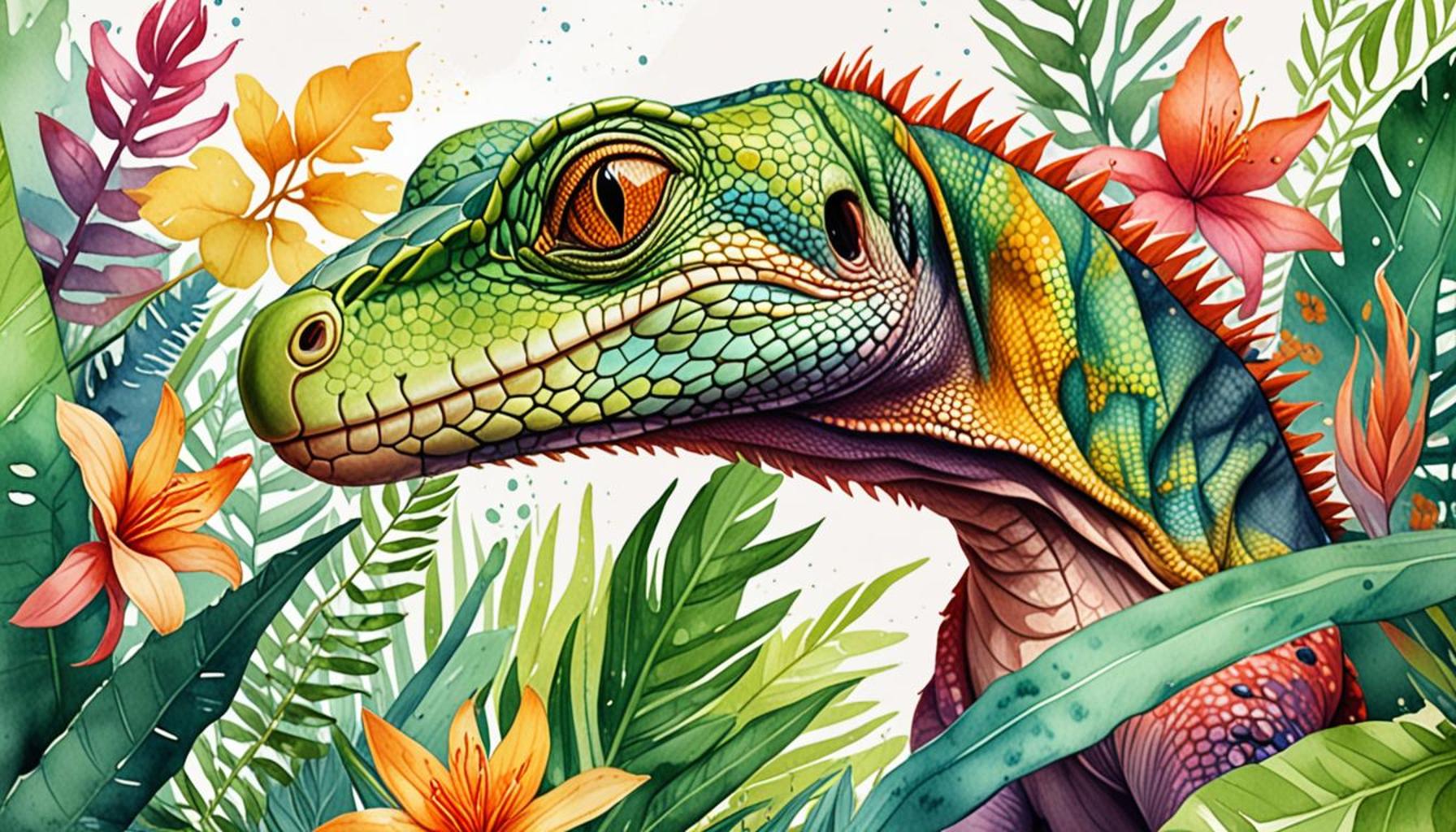
Understanding the Unique Appeal of Exotic Reptiles
Adopting an exotic reptile as a pet can be an exciting adventure, but it comes with significant responsibilities and considerations. The vibrant colors of a Carpet Python, with its intricate patterns, can add a magnificent visual aspect to any room. Meanwhile, the elusive nature of a Leopard Gecko, known for its playful behavior and unique spots, makes it a charming companion. However, this allure demands thorough research and thoughtful preparation.
Key Factors to Assess Before Adoption
Before diving into pet ownership, it’s crucial to understand the specific needs of different species. Here are essential factors to consider:
- Habitat Requirements: Each species has unique space, temperature, and humidity needs. For example, a Green Iguana requires a large enclosure with adequate climbing spaces and high humidity, whereas a Ball Python can thrive in a smaller, carefully monitored environment. Understanding these needs is vital, as improper habitats can lead to health complications.
- Dietary Needs: Reptiles have different dietary requirements; some are insectivores, others are herbivores, and some need a balanced diet of both. For instance, a Bearded Dragon enjoys a mix of leafy greens and protein-rich insects, while a Sulcata Tortoise thrives primarily on grasses and hay. Adequate knowledge of their dietary needs can prevent malnutrition and ensure a healthier life.
- Lifespan and Commitment: Many reptiles live for decades, making a long-term commitment essential. A Russian Tortoise can live upwards of 50 years, while a Blue Tongue Skink typically has a lifespan of around 15 to 20 years. Potential owners should be prepared for this commitment, as these pets require ongoing care, attention, and a stable environment throughout their lives.
Additionally, it’s crucial to research the legalities surrounding exotic pet ownership in the United States. Certain states, like California and New York, have laws that regulate or even prohibit the ownership of specific reptiles due to invasive species concerns or public safety. Understanding these laws can help avoid potential pitfalls and ensure responsible ownership.
As the fascination with exotic reptiles grows, so does the need for responsible ownership. Engaging in this adventure necessitates a commitment to ongoing education and investment in the proper care and habitat for the chosen species. It is beneficial to join local reptile clubs or online communities where experienced owners share insights and advice. Ensuring you are adequately informed not only benefits the pet but enhances the overall experience for the owner. Explore the captivating world of exotic reptiles and discover what it truly takes to welcome one into your life.
DISCOVER MORE: Click here to learn effective cat training techniques
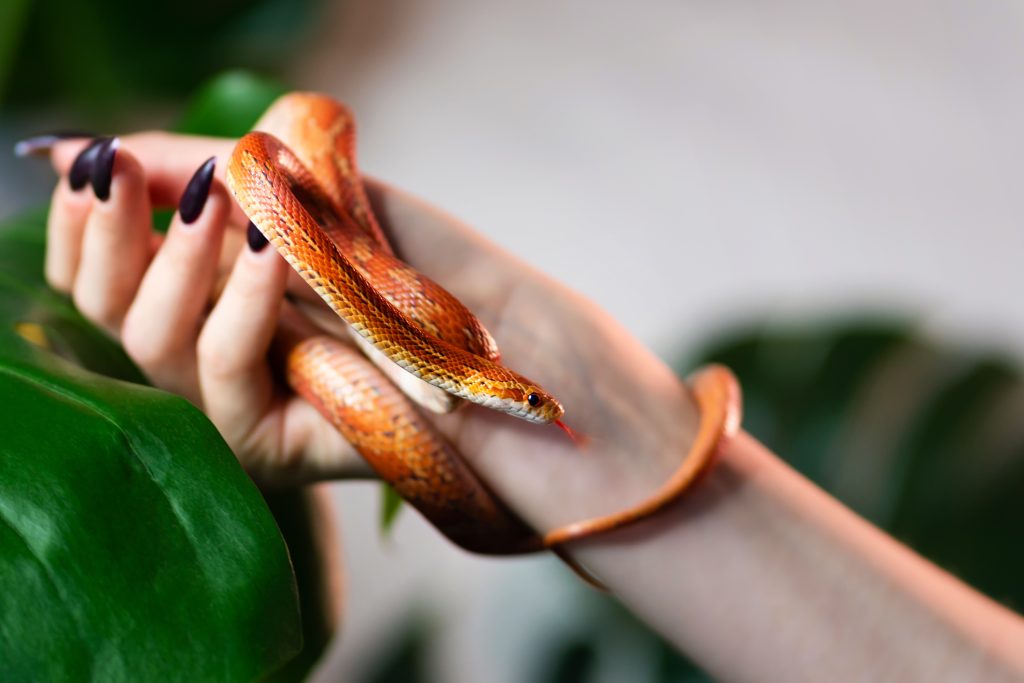
The Importance of Research and Preparation
Before welcoming an exotic reptile into your home, delving into the specifics of its care is essential. Each species offers a unique set of challenges and rewards, making research a non-negotiable first step in the adoption journey. Understanding the behavioral characteristics and environmental needs of these captivating creatures will not only contribute to their well-being but also to your satisfaction as a pet owner.
Behavior and Temperament
Exotic reptiles vary significantly in their behavior and temperament. Firstly, recognizing whether the reptile is generally docile or more high-strung is critical for your experience. For instance, the friendly Bearded Dragon often enjoys human interaction, making it a popular choice for families. On the other hand, certain species like the Green Tree Python can be more temperamental and may require a more experienced owner who flows with their natural tendencies. Being prepared for the specific behavior patterns of your chosen species can save you frustration and ensure a smoother acclimation period.
Cost Considerations
Another crucial element to evaluate is the financial commitment associated with adopting an exotic reptile. This encompasses not only the initial purchase price but also ongoing costs related to habitat setup, food, and veterinary care. Setting up an appropriate habitat for a reptile can range from a few hundred to several thousand dollars, depending on the species’ requirements. A complete tank setup with heating, lighting, and appropriate substrates should be factored into your budget. Furthermore, remember to account for routine veterinary check-ups and potential emergency care, as specialized reptile veterinarians can be costly but are essential for maintaining your pet’s health.
Socialization and Enrichment
Exotic reptiles may not require the same level of socialization as dogs or cats, but they still benefit from mental and physical stimulation. Incorporating elements such as climbing structures, hiding spots, and even interactive activities can help prevent stress and encourage natural behaviors. Consider regular handling sessions for species that enjoy human interaction, such as the Corn Snake. However, respective care must be taken during these interactions to ensure both your and the reptile’s safety.
Additionally, understanding how your pet interacts with both people and other animals is vital in creating a peaceful coexistence within your home. Some reptiles may display territorial aggression towards others, while others may adapt well in multi-pet environments. Evaluating these dynamics will prepare you for successful integration into your household.
Ultimately, adopting an exotic reptile is a rewarding but substantial commitment. From understanding behavioral cues and financial implications to creating a stimulating environment, each step is a part of ensuring a long and healthy companionship. Conducting thorough research allows potential owners to make informed decisions and is the cornerstone of responsible ownership.
| Category | Considerations |
|---|---|
| Housing Requirements | Many exotic reptiles require specialized enclosures, heating, and humidity levels to thrive. Consider your ability to create such environments. |
| Dietary Needs | Understanding the specific dietary needs of exotic reptiles is crucial. Varied diets can include insects, fruits, or specialized pellets. |
| Legal Regulations | Certain species may be regulated or banned in your area. Check local laws and regulations. |
| Lifespan | Many exotic reptiles have long lifespans, often exceeding 20 years. Consider your long-term commitment. |
As potential pet owners explore the exciting world of exotic reptiles, it is paramount to understand that their care goes beyond mere aesthetics and interactions. Fulfilling the housing requirements is often the most challenging aspect. For instance, a bearded dragon’s habitat must replicate its natural environment, requiring both temperature control and humidity management. These factors are vital in preventing health issues and facilitating proper growth.Moreover, the dietary needs of these creatures can be quite intricate. Some species may necessitate a diverse range of live food items, while others thrive on a natural diet that mirrors their wild counterparts. Researching and preparing the proper food is a significant responsibility that cannot be overlooked. In tandem, it is crucial to stay informed about legal regulations concerning exotic pet ownership. Many regions have stringent laws prohibiting the ownership of certain species, primarily to protect both native ecosystems and the animals’ welfare.Finally, the lifespan of many exotic reptiles must be acknowledged. For instance, some can live for decades, posing long-term commitments. Each of these factors plays a vital role in deciding whether adopting an exotic reptile is suitable for you, necessitating thorough consideration and preparation before bringing one into your home.
DIVE DEEPER: Click here to learn more about positive dog training
Legal and Ethical Considerations
When considering adopting an exotic reptile, understanding the legal regulations in your area is paramount. Different states and municipalities have specific laws regarding the ownership of exotic pets, with some species being entirely illegal to keep or requiring special permits. For example, while states like Florida allow for certain reptiles, others, such as California, have strict bans regarding the ownership of many non-native species. Failing to comply with these regulations can lead to hefty fines or the confiscation of your pet, placing both you and the animal in a precarious situation.
Ethics of Exotic Pet Ownership
Beyond legality, the ethics of owning an exotic reptile cannot be understated. Many reptiles available in pet stores may come from breeding operations that do not prioritize animal welfare. It is essential to source your pet from reputable breeders or rescue organizations that adhere to ethical standards. Researching the origins of the animal and ensuring that it was bred in humane conditions can help mitigate issues related to conservation and biodiversity loss, which are significant concerns in today’s world.
Space and Habitat Requirements
Each exotic reptile has specific space and habitat requirements that must be met to ensure their well-being. For instance, a Ball Python might thrive in a smaller enclosure compared to a Green Iguana, which requires a more spacious and vertically oriented habitat due to its natural arboreal tendencies. Failing to provide a suitable living environment can lead to stress and health issues in the reptile. It is vital to properly size the terrarium or vivarium and equip it with necessities such as heat lamps, UVB lighting, and humidity control devices, based on specific species needs.
Dietary Needs and Feeding Habits
Understanding the dietary requirements of an exotic reptile is fundamental to successful ownership. Many species have highly specialized diets that need to be accurately replicated. For instance, while some reptiles, like bearded dragons, thrive on a variety of insects and vegetables, others may have more stringent diets limited to specific live prey. Additionally, the need for dietary supplements—such as calcium and vitamins—can vary and should not be overlooked. Researching the feeding habits of your chosen species will help ensure balanced nutrition and prevent health issues.
Longevity and Commitment
Exotic reptiles can have extensive lifespans, some living for decades in captivity with the right care. For example, a Green Iguana can live up to 20 years, while some tortoises can surpass 100 years! This longevity requires a long-term commitment that potential owners must consider. Assessing not only your ability to care for the reptile throughout its life but also the impact it may have on future housing or lifestyle changes is critical. The emotional and time investment in caring for a living creature should never be underestimated.
Ultimately, the decision to adopt an exotic reptile should be approached with responsibility and foresight, ensuring that both the potential owner and the reptile are prepared for a lifelong partnership.
DISCOVER MORE: Click here for essential cat care tips
Final Thoughts on Adopting Exotic Reptiles
In conclusion, the journey to adopting an exotic reptile is not for the faint of heart. It requires thorough research, a commitment to understanding species-specific needs, and an appreciation for the unique challenges these magnificent creatures present. As enticing as it may be to own a brightly colored chameleon or a striking gecko, potential owners must weigh the legal, ethical, and practical implications of their choice.
Before taking the leap into reptile ownership, ensure that you are well-versed in the regulations that govern exotic pet ownership in your area. Creating an ethical partnership with a reputable breeder or sanctuary can help support conservation efforts while providing you with a healthy pet. Additionally, consider your home environment and whether it can adequately accommodate the specific habitat requirements and dietary needs of your chosen species. Remember that many reptiles require substantial resources, such as time for maintenance and funding for their care.
The longevity of these reptiles is another crucial element that demands soul-searching. Rarely does a decision made on a whim lead to fulfilling pet ownership; thus, a firm commitment to caring for your reptile through its potentially long life is paramount. Let your passion for these exotic creatures fuel a responsible and educated approach to ownership. By carefully considering these factors, you can help ensure a rewarding experience for both you and your new scaled friend.