Essential Grooming Tips for Different Dog Breeds
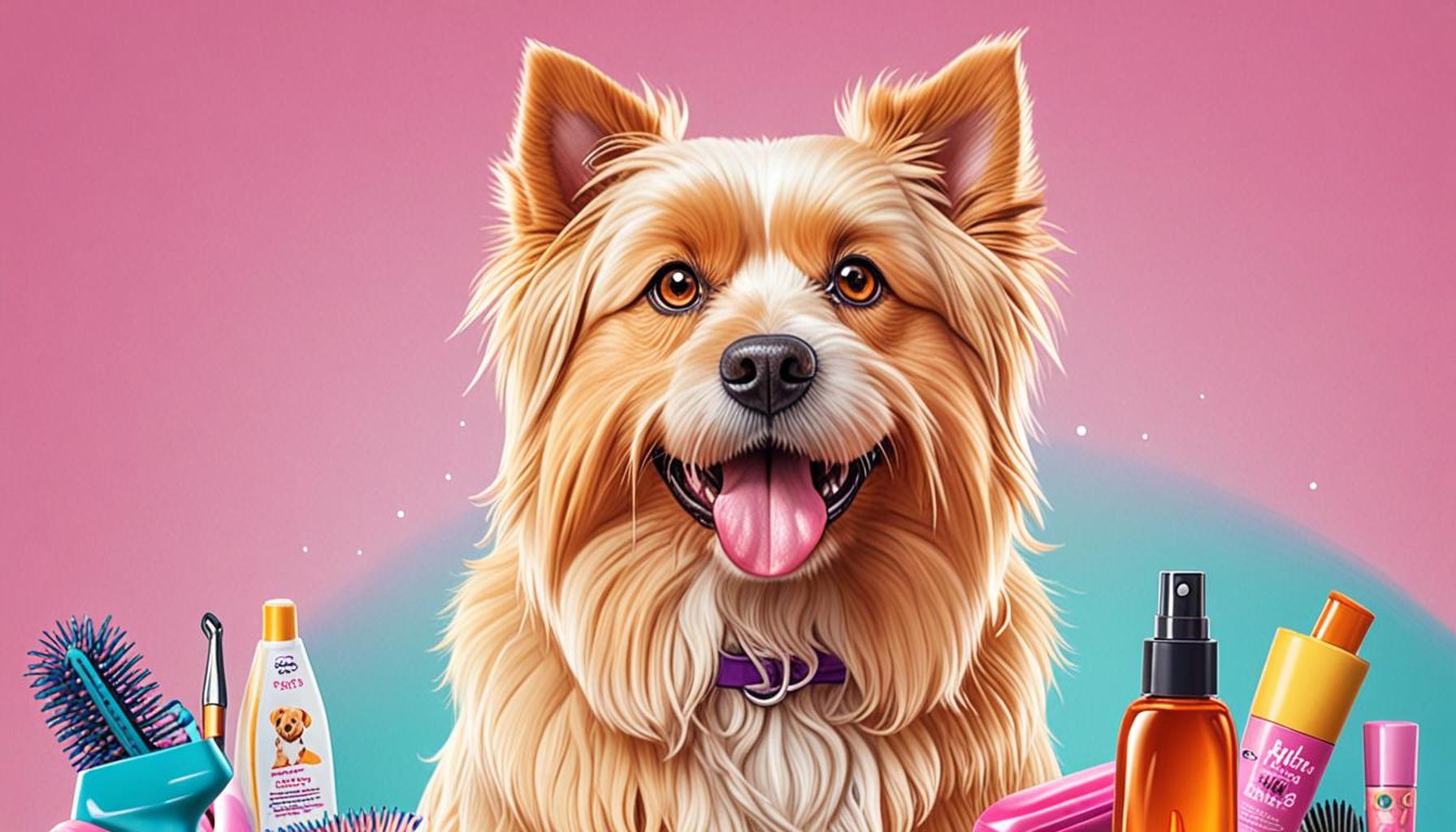
Understanding the Importance of Dog Grooming
Grooming is more than just a beauty regimen for dogs; it plays a critical role in their overall health and well-being. Just as humans need regular haircuts, skin care, and dental hygiene, our furry friends benefit from attentive grooming practices. The act of grooming not only enhances their appearance but also allows for an important bonding experience between you and your canine companion. Additionally, certain dog breeds come with specific grooming needs that can directly affect their comfort and health.
When approaching grooming, pet owners should take into consideration several critical factors:
- Coat Type: Different breeds have varying coat textures, lengths, and densities, which directly influence grooming routines. For example, a long-haired breed like the Shih Tzu requires meticulous daily brushing to prevent tangles, whereas a short-haired breed like the Bulldog needs only occasional brushing to manage loose fur.
- Skin Sensitivity: Allergies and skin sensitivities are common in many breeds, making it crucial to choose hypoallergenic grooming products. For instance, Labrador Retrievers may suffer from oily skin, and using the right type of dog shampoo can make a significant difference in keeping their coat healthy and shiny.
- Temperament: A dog’s personality significantly impacts their behavior during grooming sessions. For example, a gentle breed like the Cavalier King Charles Spaniel may enjoy being brushed, while a more anxious breed like the Chihuahua may require calm environments and extra patience.
Focusing on the proper grooming techniques tailored to each breed can enhance the experience for both owner and pet. For instance, regular grooming for Poodles and Cocker Spaniels can prevent painful matting, while dogs such as the Dachshund, famous for their low-shedding coats, may only need occasional brushing for maintenance. Thus, understanding the right tools to use is vital:
- Brushes: Invest in brushes that cater to particular coat types. For long-haired breeds, a slicker brush may be effective, while a rubber curry brush works well for short-haired dogs.
- Shampoos: Choose shampoos tailored for specific skin types, such as oatmeal-based formulas for dogs with sensitive skin.
- Nail Clippers: Regular nail trimming is essential not only for aesthetics but also to avoid health issues such as painful cracks or infections.
Beyond the practical aspects, grooming can also serve as a form of therapy for dogs and owners alike. It allows for checking for behavioral changes or signs of irritations, which could indicate underlying health concerns. For example, while brushing your dog, you may notice unusual lumps or skin irritations, prompting a visit to the veterinarian for further evaluation.
With the right knowledge and approach, grooming transitions from a chore to a rewarding activity. Engaging in this practice enhances your dog’s quality of life while also making them look their best. In the sections that follow, we will delve deeper into essential grooming tips tailored to various dog breeds, providing you with the insights needed to ensure your pet remains healthy and happy.
DIVE DEEPER: Click here to learn essential puppy socialization techniques
Tailoring Grooming Techniques to Specific Breeds
Recognizing that grooming isn’t a one-size-fits-all task is fundamental to ensuring your dog remains healthy and comfortable. Each breed, characterized by its unique coat type and grooming needs, requires distinct techniques and tools to keep them looking their best. Here’s a closer look at the essential grooming tips tailored to popular dog breeds that pet owners can easily follow.
Long-Haired Breeds
Long-haired breeds, such as the Yorkshire Terrier and Samoyed, require regular maintenance to prevent tangles and mats from forming in their luxurious manes. Owners should make it a habit to brush these breeds at least two to three times a week, using a slicker brush followed by a wide-toothed comb for those stubborn knots. Additionally, scheduling regular professional grooming sessions can be beneficial to handle extensive matting that may develop over time.
Curly Coat Breeds
Breed such as the Poodle and the Bichon Frise are known for their distinctive curly coats that can trap dirt and debris. It’s essential for owners of these breeds to engage in frequent grooming sessions, ideally every four to six weeks, to keep their coats looking clean and prevent matting. Investing in a high-quality grooming spray or conditioner can help maintain their coat’s integrity, making brushing easier and more effective.
Short-Haired Breeds
For dog owners with short-haired breeds like the Beagle or Dachshund, grooming can be less labor-intensive. However, these dogs still require regular attention to minimize shedding and promote healthy skin. A simple weekly brushing session with a rubber curry brush can efficiently remove loose hair and stimulate natural oils in the skin. Special care should also be taken during shedding seasons; increased brushing will help manage the additional fur being lost.
Hairless Breeds
In breeds such as the Chinese Crested and American Hairless Terrier, skin care reigns supreme due to the absence of fur. These dogs are prone to skin irritations and sunburn, making regular bathing and moisturizing vital. Pet owners should use a gentle dog shampoo, preferably one enriched with moisturizing ingredients, to keep their skin healthy. Applying pet-safe sunscreen during outings can help protect their sensitive skin from the sun’s harmful rays.
Utility Breeds
Breeds such as the Labrador Retriever and Golden Retriever require a different grooming approach due to their water-resistant coats. Regular brushing—ideally once a week—will help manage shedding while keeping their coat mottled and healthy. A de-shedding tool or rake can effectively tackle their undercoat, especially during seasonal coat changes. Additionally, paying attention to their ears and paws during grooming is crucial, as these areas can harbor dirt and moisture that may lead to infections.
By adapting grooming practices to suit your dog’s breed, you can significantly improve their overall health and appearance. The next sections will delve deeper into specific grooming schedules and techniques, ensuring you have all the essential grooming tips to maintain your dog’s beautiful and healthy coat.
| Grooming Techniques | Benefits |
|---|---|
| Brushing Frequency | Maintains healthy coats and reduces shedding. |
| Bathing Schedule | Prevents skin problems and keeps dogs smelling fresh. |
| Nail Trimming | Maintains paw health and prevents injuries. |
| Ear Cleaning | Prevents infections and discomfort in breeds prone to ear issues. |
Understanding the specific grooming needs related to each dog breed is critical for their overall health and well-being. For instance, long-haired breeds like Yorkshire Terriers require more frequent brushing to avoid matting. Meanwhile, short-haired breeds such as Beagles may require less intensive grooming but still benefit from regular brushing to minimize shedding.Grooming not only addresses aesthetic needs but also enhances the bond between the pet and owner. Regular grooming sessions can make it easier to detect potential health issues, whether it’s skin irritations, lumps, or dental concerns. Moreover, these grooming routines provide an opportunity for pet owners to train their dogs to remain calm and cooperative during grooming, solidifying trust and affection.Incorporating grooming tips tailored to particular breeds can significantly improve your dog’s comfort and appearance, while also fostering a stronger connection within your home. As every breed has its own unique requirements, investing time in understanding these can lead to a more fulfilling pet ownership experience. Explore different breed-specific advice to unveil the various grooming essentials!
DISCOVER MORE: Click here to learn about the best food for your furry friend
Understanding Breed-Specific Grooming Frequencies
Grooming not only involves the surface care of your dog’s coat but also speaks volumes about their health and well-being. Different breeds will have varied grooming frequencies based on their coat type, activity level, and environmental exposure. Here, we explore the specific grooming schedules and techniques that can be immensely beneficial for various dog breeds.
Medium-Haired Breeds
Medium-haired breeds like the Australian Shepherd and the Border Collie require a balanced approach to grooming due to their unique double coats. These dogs typically benefit from grooming sessions every two to three weeks to prevent tangles and remove excess fur. A grooming tool such as a pin brush or a slicker brush can effectively handle their undercoat. It’s especially important to keep an eye out for shedding seasons in the spring and fall, during which more frequent grooming is necessary to handle their increased shedding and maintain coat health.
Double Coat Breeds
Many breeds, such as the Husky and Newfoundland, have double coats—an outer layer of guard hairs and a soft undercoat. This specific coat structure requires a dedicated grooming routine, typically recommended every four to six weeks. Regular brushing not only reduces shedding but also helps distribute natural oils across the coat, maintaining its luster. During shedding seasons, more frequent grooming—sometimes even every few days—is advised to manage the heavy fallout, especially for breeds like the Alaskan Malamute, known for prolific shedding during spring.
Low-Shedding Breeds
Owners of low-shedding breeds, such as the Italian Greyhound or Maltepoo, often find their grooming tasks lighter. However, these breeds still need regular attention to maintain their skin health. Typically, a monthly grooming session should suffice, involving a quick brush down with a soft bristle brush to remove any dead skin and hair while keeping their coat sleek and shiny. Bathing every 4 to 8 weeks with a gentle shampoo is advised to keep their skin allergies at bay, maintaining their comfort and hygiene.
Grooming Tools and Techniques
Utilizing the right grooming tools tailored to your dog’s breed can drastically improve the efficiency and effectiveness of the grooming process. Here’s a general list of essential tools based on breed categories:
- Long-Haired Breeds: Slicker brush, wide-toothed comb, dematting spray.
- Curly Coat Breeds: Curly bristle brush, de-shedding tool, grooming comb.
- Short-Haired Breeds: Rubber curry brush, shedding blade, fine-toothed comb.
- Hairless Breeds: Gentle dog shampoo, moisturizing lotion, sunblock.
- Utility Breeds: De-shedding rake, ear cleaner, paw protectors.
By understanding how frequently and carefully to groom depending on the breed, dog owners can ensure a happy and healthy furry friend. In the next sections, we will expand on specific grooming needs based on age, health conditions, and seasonal changes, providing a comprehensive guide to help pet owners navigate their grooming routines with confidence.
DON’T MISS: Click here to ensure your furry friend enjoys a happy and healthy life
Conclusion: Tailoring Your Dog Grooming Approach
In conclusion, understanding the grooming needs of different dog breeds is crucial for maintaining their overall health and happiness. Each breed comes with its unique coat types, shedding patterns, and grooming requirements, making it essential for owners to adapt their grooming routines accordingly. Whether you have a long-haired breed that demands frequent brushing, a medium-haired breed needing regular upkeep, or a low-shedding breed that may require less attention, the right grooming strategies can prevent skin issues and enhance your dog’s appearance.
Utilizing suitable grooming tools tailored to your dog’s coat can significantly simplify your tasks while ensuring your furry friend remains comfortable and clean. Don’t forget that grooming is not merely about aesthetics; it strengthens the bond between you and your pet, allowing for vital health checks during each session. Additionally, paying close attention to age, health condition, and seasonal changes can further inform your grooming practices.
As dog owners, your role extends beyond providing food and shelter. Embracing the art of grooming fosters a deep understanding of your dog’s needs. By implementing the essential grooming tips covered in this article, you’re not only enhancing your dog’s quality of life but also setting a foundation for a robust and joyful companionship. So, grab those grooming tools, schedule regular sessions, and embark on this rewarding journey of care and love with your canine companion!