
Dog Training Techniques to Assist People with Special Needs: Practical Approaches
Understanding the Impact of Canine Companionship
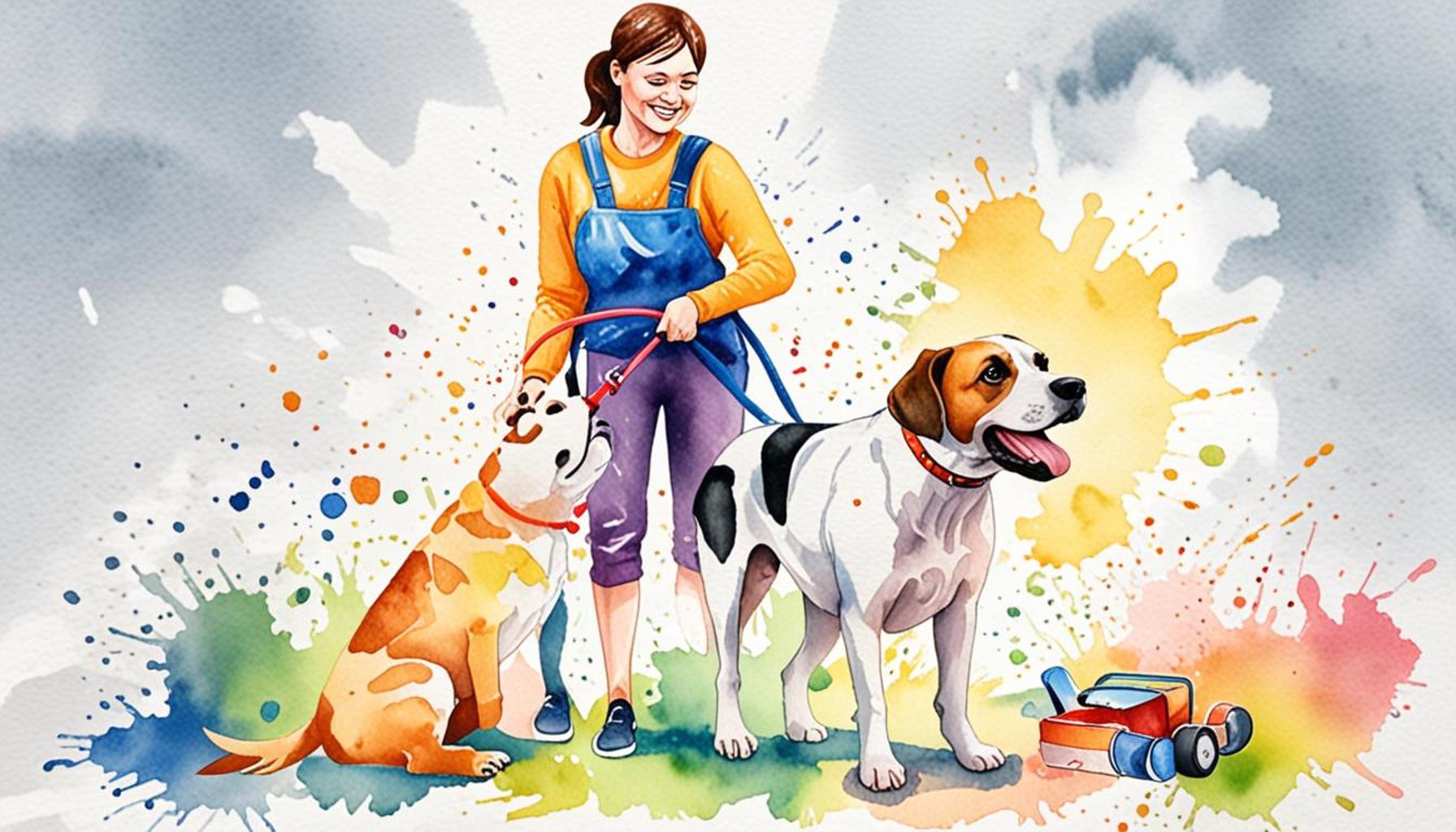
In recent years, the power of dog training techniques has gained significant attention for their ability to support individuals with special needs. These techniques not only strengthen the bond between humans and dogs but also offer practical solutions to the various challenges faced by those in need of support. By addressing how trained dogs can profoundly impact lives, we unveil the multifaceted benefits and innovative methods currently employed in the realm of canine assistance.
- Emotional Support: Trained dogs provide invaluable emotional support by reducing anxiety and offering comfort. For example, individuals coping with anxiety disorders often report lower stress levels when they have a trained dog by their side. The simple act of petting a dog can trigger the release of endorphins, contributing to a more relaxed state and easing feelings of panic or distress.
- Physical Assistance: Certain dog breeds, such as Labrador Retrievers and Golden Retrievers, are often trained specifically to assist individuals with mobility challenges. These canine companions can help retrieve items, open doors, or even act as a guide for those with visual impairments, thereby enhancing their independence and quality of life.
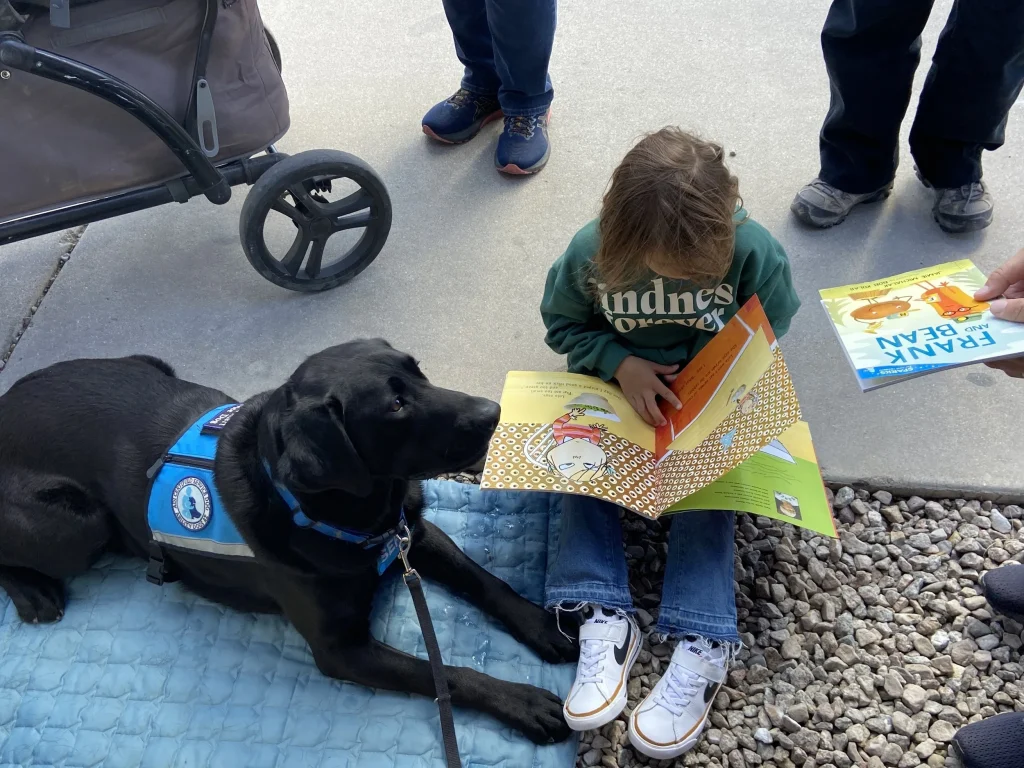
- Social Interaction: Dogs can act as social facilitators, creating opportunities for socialization and connection. Many individuals with autism, for instance, can find interacting with others challenging, yet introducing a therapy dog can spark conversations and bridge communication gaps, promoting inclusion and community engagement.
Across the United States, therapy and service dogs have become invaluable assets, assisting a diverse range of individuals, including those with autism, post-traumatic stress disorder (PTSD), and various mobility impairments. These specially trained dogs not only offer emotional and physical support but also play a crucial role in therapeutic environments, enriching the lives of their handlers through companionship and assistance.
As we delve deeper into this subject, you will discover a variety of effective dog training techniques tailored to meet specific needs. For instance, the use of positive reinforcement methods, such as clicker training, is increasingly popular for teaching dogs to perform specific tasks or behaviors. These techniques are designed to empower the individuals who benefit from them, enhancing their interaction with the dogs while promoting mutual understanding and bonding.
The intersection of the human-animal connection and practical canine training approaches opens an exciting dialogue on the potential of dog companionship in transformational contexts. As more research and anecdotal evidence highlight the numerous advantages of these relationships, the future looks promising for both pets and their human counterparts. Join us as we explore this dynamic field, examining both traditional and innovative training methods that continue to unlock the potential of canine companionship.
DISCOVER MORE: Click here to learn about the benefits of pet species diversity for your mental health
Exploring Practical Dog Training Techniques
When it comes to dog training techniques specifically tailored for individuals with special needs, a variety of approaches exist that cater to diverse requirements. Understanding these techniques not only empowers trainers and handlers but also highlights the transformative potential of a dog’s role in enhancing the lives of those they assist. From emotional support to physical aid, the methods employed in training service and therapy dogs are varied yet effective.
A fundamental aspect of training these canine companions is the use of positive reinforcement. This method encourages desired behaviors by immediately rewarding good actions with treats, praise, or play. Clicker training, a popular form of positive reinforcement, involves the use of a distinct sound—a clicker—paired with a reward to signal to the dog that they have performed correctly. This technique is particularly useful for dogs assisting individuals with conditions such as PTSD or autism, as it fosters a clear understanding of expectations and reinforces positive interactions.
- Task-Specific Training: Many dogs are trained to execute specific tasks that directly aid their handlers. For example, a service dog trained to detect anxiety can be taught to nudge or lay down near their owner at the onset of a panic attack. This response serves not only as a physical comfort but also as a mental anchor, reminding the individual that they are not alone.
- Social Skills Development: Dogs can also facilitate social integration for individuals with social challenges. Therapy dogs that are trained to interact gently with people can encourage individuals with autism to engage in conversations or participate in group activities, thereby building essential life skills.
- Daily Living Assistance: For individuals with mobility impairments, training a dog to perform tasks that support daily living—such as retrieving keys, opening doors, or even operating light switches—creates greater independence. These skills not only enhance quality of life but also instill confidence in the handler’s ability to navigate daily challenges.
In addition to these techniques, trainers often adopt a customized approach based on the unique needs of both the individual and dog. This involves assessing the person’s requirements, preferences, and lifestyle to tailor a training regimen that promotes effective collaboration and understanding. For instance, a handler who benefits from emotional support may prioritize training in behaviors that encourage comforting or calming actions, while another individual may focus on mobility assistance tasks.
The integration of technology in dog training is another exciting avenue that is gaining traction. Apps and online platforms are now available that assist trainers and handlers in tracking progress, enhancing communication, and setting realistic training goals. This innovative use of resources allows for more flexible training schedules and greater accessibility for those in need.
As the landscape of dog training continues to evolve, the focus remains on creating meaningful connections between dogs and their handlers. The application of these practical dog training techniques not only empowers individuals with special needs but also reinforces the profound impact that our canine companions can have on fostering independence, emotional stability, and social interaction.
Innovative Techniques in Dog Training for Special Needs
As the understanding of dog training techniques evolves, so do the methodologies employed to assist individuals with special needs. Various approaches are tailored to meet the unique requirements of each person and their canine companions. One prominent technique involves using positive reinforcement, which encourages desired behaviors in dogs through rewards, such as treats or praise. This method not only fosters a bond between the handler and the dog but also promotes a safe learning environment for individuals who may struggle with traditional training methods.
Another effective strategy is the incorporation of sensory integration movements in training sessions. This approach utilizes the dog’s natural instincts and abilities to support individuals in developing physical and emotional skills. For example, when training a dog to perform tasks, individuals can enhance their motor skills by engaging in activities that encourage movement and coordination.
Moreover, training techniques that focus on canine companionship can promote therapeutic benefits for those with special needs. The presence of a well-trained service dog can help reduce anxiety, encourage social interactions, and provide emotional support. Such benefits underscore the importance of proper dog training to create an ideal service companion.
Finally, understanding the communication cues of both the dog and the handler is vital for success. Incorporating visual aids and consistent commands plays a crucial role in assisting individuals with cognitive challenges, allowing them to grasp concepts more readily. These personalized approaches not only improve the effectiveness of dog training but also empower individuals with special needs to achieve newfound independence.
| Category | Description |
|---|---|
| Advantages of Positive Reinforcement | Strengthens the bond between dog and handler and facilitates better learning. |
| Sensory Integration Techniques | Enhances physical abilities and encourages motor skills through engaging activities. |
| Role of Canine Companionship | Provides emotional support and reduces anxiety while promoting social interactions. |
| Communication Techniques | Improves understanding through visual aids and consistent commands for effective training. |
Exploring these dynamic training methods illuminates the profound impact that well-trained dogs can have on the lives of individuals with special needs. With the right techniques and approaches, the journey of enrichment, empowerment, and companionship can begin, paving the way for enhanced quality of life and independence.
NEED MORE TIPS? Click here for essential advice
Innovative Dog Training Methods to Enhance Assistance
As the connection between humans and dogs grows stronger, innovative dog training techniques emerge, providing novel ways for canine companions to support people with special needs. These methods not only serve to facilitate independence but also enhance the emotional and social well-being of individuals. By understanding these cutting-edge approaches, trainers and handlers can optimize their experiences and bolster the transformative power of the human-animal bond.
- Clicker Training for Autism Spectrum Disorder (ASD): In addition to basic clicker training, advanced applications help children with Autism Spectrum Disorder (ASD) engage with their environment more proactively. For instance, dogs can be trained to initiate play or encourage interaction with other people, which can mitigate feelings of isolation. The precision of clicker training also allows handlers to focus on specific communication aids, like teaching dogs to nudge a child’s hand gently toward visual stimuli that invite socialization.
- Canine-Assisted Cognitive Behavioral Therapy: This technique marries traditional therapeutic approaches with the presence of a trained therapy dog, creating a unique environment that enhances therapy sessions. The presence of a dog can commingle with cognitive behavioral strategies to reduce anxiety levels and promote self-awareness among clients. Therapy dogs may assist in modeling appropriate behavior in group settings, thus enriching the dynamics of social skills training.
- Mobility and Balance Support Training: For individuals with physical disabilities, specialized training for dogs can significantly enhance mobility. Breeds like Golden Retrievers and Labrador Retrievers can be trained to provide balance support, easing the shore of daily activities. They learn to brace against their handler’s body, aiding in stability when navigating uneven terrain or climbing stairs, thus fostering greater independence.
- Sensory Interventions: Therapy dogs can be trained to respond to sensory needs by providing soothing physical presence through deep pressure therapy. This technique can help individuals with sensory processing disorders or anxiety experience a calming effect, as the dog’s weight provides companionship and reassurance during stressful moments. In many cases, just the act of petting the dog releases oxytocin, the “feel-good hormone,” further alleviating anxiety symptoms.
Moreover, the use of mobile training applications has revolutionized the way handlers approach their dog’s training. These user-friendly platforms enable individuals to customize training plans, schedule practice sessions, and log progress effectively. Some apps even provide video demonstrations and forums, promoting a sense of community among users who share similar experiences in training dogs for special needs purposes. The integration of technology fosters a progressive approach to dog training, making it more accessible for families navigating various hurdles.
Another emerging trend lies in community involvement through partnership programs that pair therapy dogs with schools, hospitals, and community centers. Engaging dogs in these environments creates opportunities for social interaction that break down barriers associated with special needs. For instance, therapy dogs can help bridge communication gaps in schools by interacting with children who may struggle in traditional social settings, allowing them to develop friendships in a more controlled atmosphere. These programs often empower both handlers and their canine companions to serve as role models, promoting acceptance and inclusivity.
Every dog has the potential to provide unique support—a fact that emphasizes the importance of understanding specific training methods that transform lives. These innovative dog training techniques are essential for tapping into this potential, ensuring that our four-legged friends can assist individuals with varying degrees of special needs in ways that are both practical and empathetic.
DON’T MISS: Click here for essential tips
Conclusion: Empowering Lives through Dog Training
In conclusion, the exploration of dog training techniques tailored to assist individuals with special needs reveals a promising landscape of opportunities for enhancing quality of life. By embracing innovative strategies such as clicker training for autism, canine-assisted therapy, and mobility support, we are not merely training dogs; we are forging powerful bonds that significantly impact mental, emotional, and physical wellness.
Furthermore, the integration of technology through mobile training applications equips handlers with the tools to customize training experiences, making it easier to track progress and share knowledge within supportive communities. This not only fosters a deeper connection between dogs and their handlers, but also empowers families and caregivers navigating the complexities of special needs.
Additionally, the role of therapy dogs in educational and community settings is vital, as they provide emotional support and facilitate social interactions that may otherwise be challenging. These canine companions serve as bridges, promoting inclusivity and understanding in our society.
As we continue to advance our understanding of animal-assisted interventions, it is crucial to recognize that every dog can play a transformative role. Harnessing their potential through empathetic and targeted training methods can lead to profound changes in the lives of those with special needs. The journey ahead is filled with potential, offering a brighter future where the bond between humans and dogs can empower and uplift, making a tangible difference in countless lives.