
Aquatic Equipment for Pet Fish: Creating the Perfect Habitat
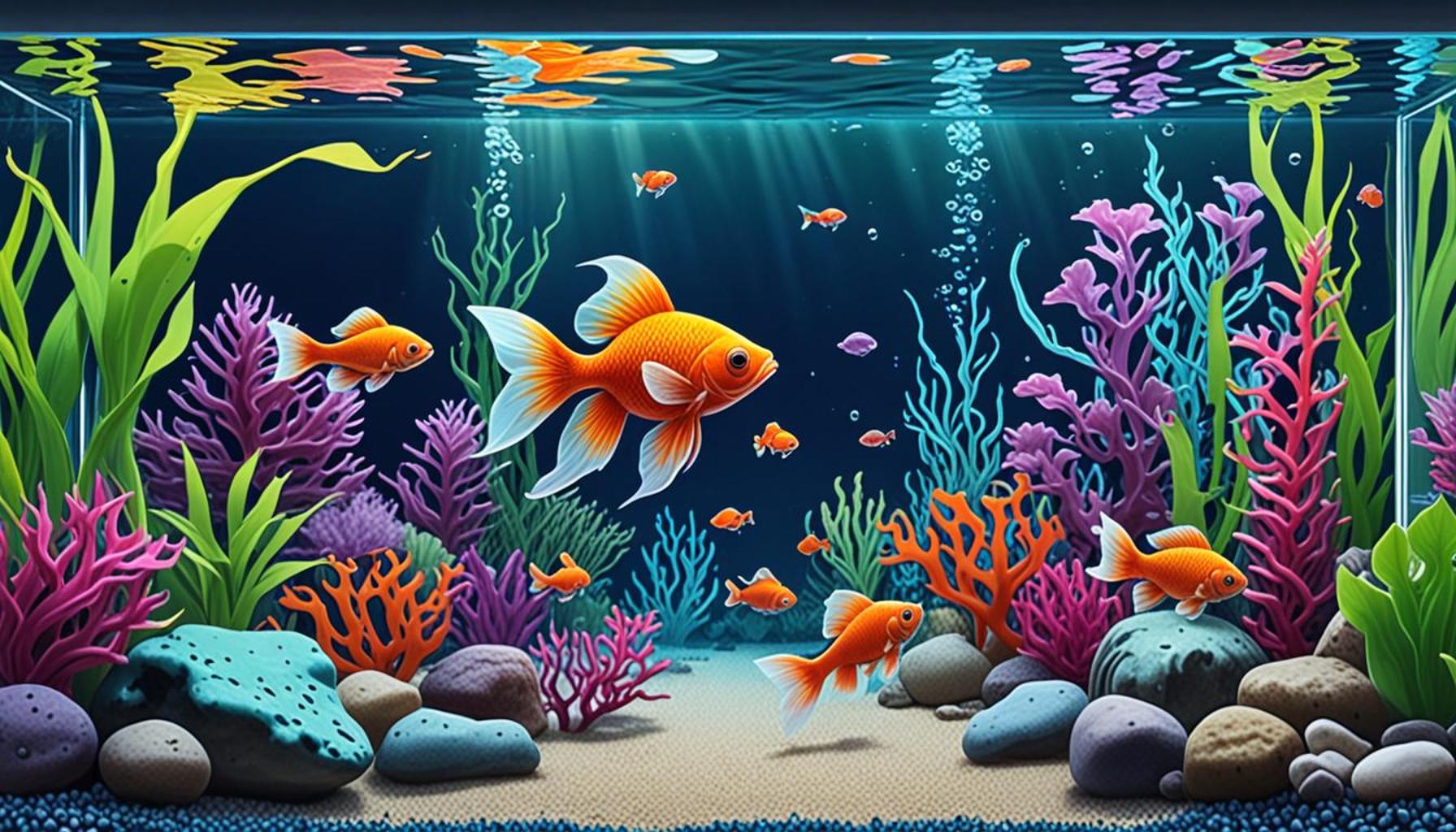
Creating an Ideal Environment for Your Fish
Every pet fish deserves a home that mimics its natural habitat, ensuring their health and happiness. To achieve this, aquatic equipment plays a crucial role in fostering a vibrant ecosystem. If you’re eager to dive into the essentials of proper pet fish care, understanding the right equipment is a great place to start.
Key Components of an Optimal Aquarium
When setting up your fish tank, there are several must-have items that you should consider to create the ideal environment:
- Water Filter: An efficient water filter is essential for maintaining clean and healthy water by removing toxins, waste, and debris. This not only keeps the aquatic environment safe but also reduces the frequency of water changes needed, making it easier for fish keepers. For instance, a canister filter can be an excellent choice for larger tanks, providing thorough filtration without disrupting the habitat.
- Heater: If you are keeping tropical fish, a reliable heater is crucial for maintaining warm temperatures, typically between 75°F and 80°F. Many species, like bettas and neon tetras, thrive in these conditions. Investing in a good-quality heater ensures that the water temperature remains stable, preventing stress on your fish that can lead to illness.
- Substrate: The substrate serves as the aquarium’s foundation, providing a natural base for plants and promoting beneficial bacteria growth which is vital for a balanced ecosystem. Options range from fine sand suitable for bottom-dwelling fish, such as corydoras, to heavier gravel that anchors plants securely. Choosing the right substrate can significantly enhance the overall health of your aquarium.
- Plants and Decorations: Incorporating live or artificial plants not only enriches the aquarium’s aesthetics but also provides hiding spots for your fish, helping to reduce stress. Additionally, plants contribute to oxygenation and filtration of the water. For example, java ferns and anubias are hardy plants that thrive in various conditions, making them excellent choices for both novice and experienced aquarists.
These items are not merely accessories; they form the backbone of a healthy aquatic environment. Investing in top-quality equipment can lead to a thriving fish community, reducing stress and enhancing overall well-being.
Why Proper Equipment Matters
A well-designed habitat often leads to healthier fish that are more vibrant and active. Observing fish swimming gracefully or interacting with their environment can bring immense joy to any aquarist. Additionally, a meticulously maintained tank transforms your space into a peaceful aquatic oasis, offering relaxation and beauty to your home. For instance, a living room with a well-kept aquarium can serve as a captivating focal point, encouraging conversations and admiration from guests.
So, whether you’re a novice fish keeper or a seasoned aquarist, understanding the significance of aquatic equipment will not only elevate your fish-keeping experience but also deepen your appreciation for the delicate balance within this miniature ecosystem. With the right tools and knowledge, you can create a thriving environment that your fish will love, ensuring they lead vibrant, healthy lives.
DISCOVER MORE: Click here for the complete checklist
Choosing the Right Equipment for Your Aquarium
Setting the stage for a thriving aquatic environment begins with choosing the right equipment. By understanding the various elements that contribute to a healthy and balanced habitat, aquarists can ensure their fish flourish. Below are key considerations when selecting essential aquatic equipment:
Water Quality Management
One of the primary factors determining your fish’s well-being is the quality of water they inhabit. Aside from a water filter, which we discussed earlier, investing in water testing kits is equally important. These kits are crucial for monitoring parameters like pH, ammonia, nitrite, and nitrate levels. Keeping these parameters within the ideal ranges not only enhances the overall health of your fish but also prevents issues like algae blooms and fish diseases, both of which can disrupt your aquarium’s ecosystem.
- pH Level: Most freshwater fish thrive in a pH range of 6.5 to 7.5, while saltwater species may prefer slightly higher levels. Regular testing ensures you keep the water within safe limits.
- Ammonia and Nitrite: Both substances are harmful to fish and should ideally be at zero levels in a stable aquarium. If there are trace amounts, immediate action is necessary to rectify the water conditions.
- Nitrate: While generally less toxic than ammonia or nitrite, high levels of nitrate can lead to stress and health problems over time. Regular water changes and live plants can help manage these levels.
Lighting and Its Impact
Another critical aspect of creating a perfect habitat is lighting. The correct lighting not only enhances the visual appeal of your aquarium but also benefits your fish and any plants you might have. When selecting lighting, consider the following:
- Type of Light: LED lights are a popular choice due to their energy efficiency and long lifespan. They emit the correct spectrum for plant growth and are less heat-generating compared to traditional bulbs.
- Lighting Duration: Fish and plants require a consistent light cycle. Generally, a period of 8 to 12 hours of light per day mimics natural conditions and supports a healthy ecosystem.
- Light Intensity: The brightness of your lighting should correspond to the specific needs of both the fish and any aquatic plants you have. Higher light intensity may be necessary for plant-heavy aquariums, while lower levels may be sufficient for species with minimal light requirements.
Choosing the right aquatic equipment, from filters and heaters to water testers and lighting, lays the foundation for a thriving habitat. By focusing on the needs of your fish and carefully selecting each element, you create a welcoming environment that promotes health and happiness. As you invest time and effort into understanding the nuances of aquatic equipment, you’ll find rewards in the form of vibrant, active fish and a pleasing aquarium aesthetic that enhances your home.
| Category | Key Features |
|---|---|
| Aquarium Filtration Systems | Ensure clean water, remove toxins, and promote healthy fish. |
| Water Temperature Control | Maintains optimal conditions for fish survival and growth. |
| Aquascaping Tools | Help create beautiful, natural environments for fish. |
| Lighting Systems | Enhances both plant growth and fish visibility; important for health and aesthetics. |
When considering aquatic equipment for pet fish, it is vital to recognize how filtration systems can significantly impact the aquarium environment. A high-quality filtration system not only keeps the water clean but also fosters a healthy ecosystem, crucial for the well-being of the fish. The health benefits for your aquatic pets are immense when toxins are efficiently removed from their habitat. Additionally, maintaining the right water temperature is equally important. Temperature control devices, such as heaters and chillers, ensure fish thrive by replicating their natural habitat. Each fish species has specific temperature requirements, and investing in reliable temperature control can help prevent stress and health issues among your pets.Moreover, aquascaping tools add both functionality and design varietals to your aquarium, allowing you to create visually striking habitats that mimic natural ecosystems. This not only enhances the aesthetics but also provides hiding spots and enrichment for your fish, promoting their overall happiness and health.Lastly, the right lighting systems can immensely impact the environment within your aquarium. Optimum lighting encourages plant growth and showcases the beauty of your fish, making your aquarium a focal point of your living space. Understanding these elements empowers you to create a thriving, stunning aquatic habitat for your beloved pet fish.
DISCOVER: Click here to learn more
Creating an Inviting Environment with Substrate and Decor
Beyond filtration, water quality, and lighting, subtrate and decor play an essential role in shaping the ambiance of your aquarium while enhancing the well-being of your pet fish. The appearance and material type of the substrate can significantly affect both the health of your aquatic ecosystem and the behavior of your fish. Understanding the different options available can help aquarists create a visually engaging and functionally effective habitat for their aquatic pets.
Understanding Substrate Choices
The substrate is the material placed at the bottom of the aquarium and can range from gravel and sand to more specialized substrates. Each type of substrate serves different purposes, from aesthetic appeal to functional benefits:
- Gravel: This common choice provides a stable base for aquarium plants and is easy to clean. Its larger granules allow for water drainage, which is beneficial for maintaining healthy bacteria levels. However, care should be taken to avoid overly sharp edges that could injure fish.
- Sand: Perfect for certain species like catfish and loaches, sandy substrates promote natural foraging behaviors. While it provides a softer bed for digging species, it can compact easily, potentially leading to anaerobic conditions if not maintained properly.
- Specialized Substrates: For planted aquariums, there are commercially available substrates that contain nutrients designed to feed aquatic plants. These substrates help ensure that your plants flourish, thus contributing to overall water quality.
Decor and Enrichment
Aquarium decor not only enhances the visual appeal of your environment but also provides hiding spaces, breeding spots, and territories essential for fish behavior. The types of decor can vary widely:
- Natural Decor: Rocks, driftwood, and aquatic plants offer natural aesthetics and help replicate a fish’s wild habitat. Live plants also improve water quality by transforming carbon dioxide into oxygen and acting as natural filters.
- Ornaments and Structures: These can range from artificial plants to castles and caves designed to provide shelter for shy or territorial species. Always ensure that these decorations are made from fish-safe materials to prevent leaching chemicals into the water.
- Aesthetic Placement: Consider the layout of your decor thoughtfully; creating a varied landscape encourages exploration and activity among your fish while allowing them to find safety when needed.
Utilizing the right substrate and decor not only enhances the beauty of your aquarium but also contributes to the overall health of your aquatic environment. Substrates provide a foundation for beneficial bacteria while decor allows for natural behaviors, making your aquarium a truly captivating ecosystem.
As you delve deeper into the choices of substrate and decor, remember that every element plays a critical role in maintaining a balanced habitat. The joy of being an aquarist lies in continually discovering how these components interact, ultimately leading to a thriving aquatic community that brings both aesthetic pleasure and ecological benefits into your home.
DISCOVER MORE: Click here to learn essential puppy socialization techniques
Conclusion: The Art of Crafting a Thriving Aquatic Habitat
In the intricate world of aquatic pet care, creating the perfect habitat for your fish is an art form that transcends mere decoration. The combination of filtration, water quality, lighting, substrate, and decor forms the backbone of a healthy ecosystem that not only keeps your fish thriving but also captivates the eye. Each component serves a unique purpose that contributes to the overall balance and functionality of your aquarium.
Choosing the right substrate, whether it be gravel, sand, or specialized nutrient-rich material, is crucial for supporting beneficial bacteria and encouraging natural behaviors among your fish. Coupled with thoughtful decor that mimics natural environments, such as rocks and live plants, you not only enhance the aesthetic appeal but also provide essential shelter and breeding spots that promote wellbeing.
As you curate your aquarium setup, consider the diverse needs of your fish species and how they interact with their surroundings. Researching specific requirements and recognizing the signs of stress or contentment in your aquatic friends can help you fine-tune their environment. Keep in mind that the balance of your aquarium is a dynamic process – one that invites continuous learning, adaptation, and discovery.
Ultimately, investing time and care into understanding aquatic equipment for pet fish will pay dividends in the form of a vibrant, flourishing habitat. The journey of an aquarist is not merely about maintaining an aquarium, but rather about fostering a thriving underwater community that embodies the beauty of nature and the joy of pet ownership. Dive deep into this rewarding experience, and watch as your aquatic world comes alive in your very own home.