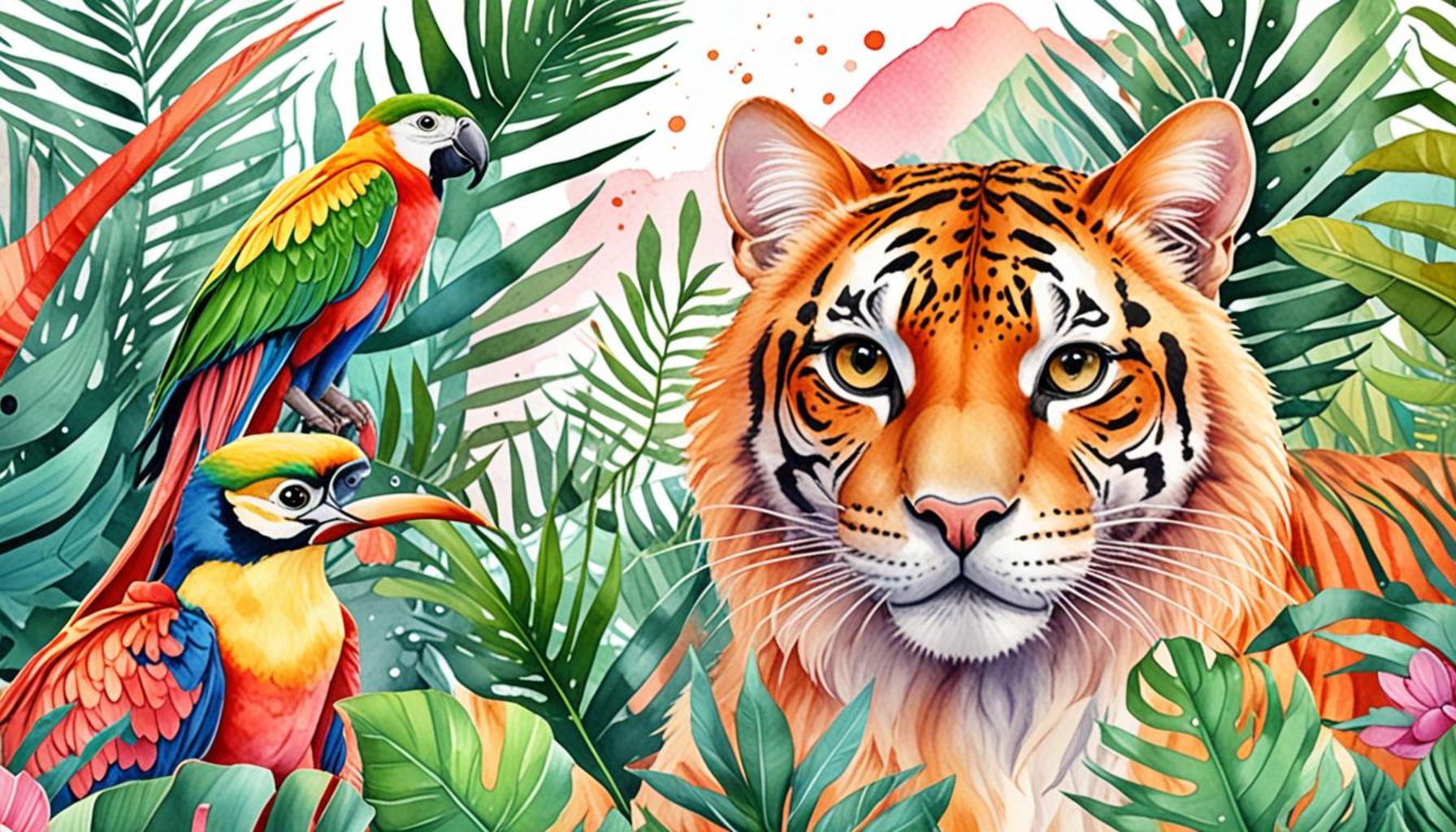
The Influence of Pet Species on Mental Health: Benefits of Different Types of Pets

Exploring the Connection Between Pets and Mental Well-being
The bond between humans and animals has long been celebrated, yet it is the specific species of pets that can significantly shape mental health outcomes. Research suggests that different types of pets offer unique advantages, highlighting the tailored benefits that can enhance emotional well-being. Understanding these influences may lead to better choices when it comes to pet ownership.
Benefits of Various Pet Species
A variety of pets can contribute positively to mental health, including:
- Dogs: Often known as “man’s best friend,” dogs provide companionship and increased physical activity. Studies indicate that dog owners are generally more physically active, as daily walks or playtime can help to reduce symptoms of anxiety and depression. For instance, a 2020 study found that individuals who regularly walked their dogs reported lower levels of stress and a more positive outlook on life. Furthermore, therapy dogs are increasingly used in various settings—such as hospitals and schools—to provide comfort and emotional support.
- Cats: With their independent yet affectionate nature, cats can significantly reduce stress levels. Their calming presence is often accompanied by soothing sounds, like purring, which has been scientifically shown to lower cortisol levels—the hormone associated with stress. A 2019 study published in the Journal of Veterinary Behavior noted that interacting with cats can result in lower blood pressure and decreased feelings of loneliness, making them promising companions for those suffering from emotional distress.
- Fish: Observing fish swimming in an aquarium can create a tranquil environment, providing a meditative effect that lowers blood pressure and promotes relaxation. Research has shown that aquariums can decrease anxiety levels for individuals in high-stress environments, such as those in hospitals or nursing homes. The rhythmic movement of fish and the calming sound of water trickling can transform any space into a peaceful sanctuary.
- Birds: Their vibrant colors and cheerful chirping can uplift mood, while interactive birds, such as parrots, encourage social engagement. Birdwatching has been shown to alleviate symptoms of anxiety and depression, fostering mindfulness and appreciation for living creatures. Specifically, many studies suggest that keeping birds as pets can foster creativity and emotional expression, enhancing the owner’s overall quality of life.
Each species brings its own set of characteristics and benefits, making it essential for pet owners to consider how their choice of pet can influence their mental health. Notably, pet therapy programs in schools and hospitals are increasingly utilizing these benefits to assist individuals facing emotional challenges. Interactions with therapy animals have been linked to improved mood, lowered anxiety levels, and even enhanced cognitive function in some patients.
Delving deeper into the effects different pets have on mental health could unlock new avenues for therapy and personal wellness. This exploration not only sheds light on the crucial role pets play in our lives but also emphasizes the need for informed decisions in pet ownership. For those seeking emotional companionship, understanding the unique benefits of various types of pets is a vital aspect of fostering a healthy, supportive environment—a factor that can considerably enhance one’s journey toward mental well-being.
LEARN MORE: Click here to discover the best options for your pet!

Understanding the Unique Contributions of Different Pets
The way different pet species interact with their owners and the environment can greatly influence mental health and emotional stability. Each species possesses distinct qualities that cater to varying needs of companionship, comfort, and stress relief. In this section, we will explore how dogs, cats, fish, and birds contribute uniquely to fostering mental well-being.
The Power of Canine Companionship
Dogs are often heralded as loyal companions and play a significant role in enhancing emotional health. Their innate ability to connect with humans prompts feelings of love and security. Studies reveal that dog ownership is linked to lower levels of depression and anxiety. The simple act of petting a dog can release oxytocin, a hormone associated with bonding, leading to increased feelings of happiness.
Additionally, dogs encourage social interactions. Dog owners often engage with each other during walks or at dog parks, creating a sense of community. This social aspect can be particularly beneficial for those who struggle with social anxiety or feel isolated. According to the American Heart Association, pet ownership, particularly dog ownership, has been associated with a decrease in cardiovascular disease risk, further underscoring the overall health benefits linked to dogs.
The Comfort of Feline Friends
Cats, on the other hand, are known for their independent yet affectionate behavior. They provide a different kind of companionship that can be incredibly soothing. The rhythmic sound of a cat’s purr is not only comforting but has also been shown to promote relaxation and reduce stress. A remarkable 2019 study from the University of Missouri found that cat ownership can lead to lower levels of stress and anxiety, highlighting the positive psychological impact of these furry friends.
Moreover, cats require less daily maintenance compared to dogs, making them an excellent option for individuals with busy lifestyles. They can satisfy the emotional needs of their owners in a less demanding way, thus providing a comforting presence without overwhelming responsibilities.
The Serenity of Aquatic Life
Fish have been gaining attention as therapeutic companions. Studies suggest that watching fish in an aquarium can have a calming effect and promote relaxation. The mesmerizing movements of fish swimming and the gentle sound of water can significantly reduce stress and anxiety levels. For instance, a study conducted by the National Marine Fisheries Service indicated that patients in hospitals with aquariums exhibited lower levels of anxiety and discomfort.
Aquariums are often viewed as peaceful environments conducive to mindfulness, making them ideal for individuals who experience high stress. The presence of fish serves as a tranquil focal point, encouraging owners to slow down and appreciate the beauty of the aquatic world.
The Joyful Interactions with Birds
Birds, especially those that are interactive like parrots and budgerigars, can provide unique emotional support. Their lively chirps and vivid colors foster a lively atmosphere, uplifting the spirits of their owners. Research indicates that engaging with birds can spark creativity and enhance emotional expression. Birdwatching, in particular, has therapeutic benefits as it encourages mindfulness and connection with nature.
Keeping birds as pets entails regular interaction, which can lead to improved socialization skills for individuals who may feel socially withdrawn. Bird owners often find themselves stimulated by the lively nature and the intelligence that many bird species exhibit, creating an engaging and fulfilling pet ownership experience.
As we delve deeper into the specific benefits of various pet species, it becomes clear that each type of pet contributes uniquely to mental well-being. Understanding these differences not only facilitates informed decisions about pet ownership but also underscores the potential for animals to act as effective partners in the journey of enhancing emotional health.
The Influence of Pet Species on Mental Health
Pets play a transformative role in our mental well-being, acting as companions that provide both emotional support and a sense of responsibility. This section explores how different types of pets can uniquely contribute to mental health benefits.
Dogs: Loyal Companions
Dogs are renowned for their loyalty and companionship. Studies have shown that owning a dog can significantly decrease feelings of loneliness and depression. Their interactive nature encourages physical activity and socialization, which are vital for mental health. The simple act of walking a dog can lead to improved mood and reduced stress levels.
Cats: Independent Intimacy
Cats offer a different kind of companionship. Their independent nature does not diminish their ability to provide comfort. Research indicates that cat owners report lower levels of stress and anxiety compared to non-pet owners. The calming purr of a cat can foster a soothing environment, encouraging relaxation and mindfulness.
Fish: Serene Observers
Fish tanks create a tranquil atmosphere that can alleviate stress. Watching fish swim has been linked to lowering blood pressure and promoting a sense of peace. The tranquil and rhythmic movements of aquatic life can enhance mood and create a calming effect, making fish a unique option for those seeking mental clarity.
Birds: Joyful Companionship
Birds are known for their vibrant personalities and vocal interactions. Keeping birds can stimulate cognitive functions, as their intelligence requires engagement from their owners. The playful nature of birds can lead to joy and laughter, impacting mood positively and reducing feelings of isolation.
Small Mammals: Therapeutic Touch
Small mammals like guinea pigs, rabbits, and hamsters offer a unique connection through their tactile interaction. Handling these creatures can provide therapeutic benefits, aiding in reducing anxiety levels and fostering a sense of responsibility and care. Engaging with small pets can also serve as a form of mindfulness, reducing stress and enhancing overall well-being.
Reptiles: Calm and Cool
For some, reptiles like turtles and lizards may offer companionship that is both unique and low-maintenance. These pets often require minimal interaction, which can be soothing for individuals who may prefer less active companionship. The visual appeal of reptiles can provide mental peace, offering a different type of engagement with pet ownership.In summary, each type of pet contributes uniquely to mental health benefits. From dogs and cats to fish and reptiles, understanding these differences is essential in choosing the right pet for emotional support and companionship.
| Pet Species | Mental Health Benefits |
|---|---|
| Dogs | Decrease loneliness and foster social connections. |
| Cats | Reduce stress with their calming presence. |
| Fish | Promote serenity and lower blood pressure. |
| Birds | Foster joy and mental stimulation through interaction. |
| Small Mammals | Provide comfort through tactile engagement. |
| Reptiles | Encourage a calming atmosphere with low interaction. |
DISCOVER MORE: Click here for essential pet owner tips
The Unique Therapeutic Benefits of Exotic and Small Pets
While dogs and cats often dominate the conversation regarding pet ownership and mental health, exotic pets and smaller creatures also hold significant potential for improving emotional well-being. Understanding the advantages these diverse species can offer expands the landscape of pet therapy and highlights the personalized nature of pet ownership.
The Allure of Exotic Pets
Exotic pets, such as reptiles, rabbits, and ferrets, bring a distinctive dynamic to households. For instance, owning a pet lizard can offer unique experiences that promote mindfulness. The act of observing their slow, deliberate movements can encourage relaxation and serve as a form of animal therapy. A study published in the journal *Anthrozoös* indicated that interacting with reptiles can foster a sense of calmness among owners, often alleviating feelings of stress and anxiety.
Rabbits, too, offer special emotional benefits. These gentle, affectionate creatures are known for their soft fur and unique personalities. The act of petting a rabbit releases endorphins, generating a sense of joy and reducing feelings of isolation. Their playful antics often lead to laughter and joy, making them delightful companions for individuals suffering from depression.
The Benefits of Small Animals
Small pets, such as hamsters, guinea pigs, and even hedgehogs, provide convenience and therapeutic comfort in a less demanding package. The care required for these pets tends to be minimal compared to larger animals, making them particularly attractive for children or those new to pet ownership. According to the Human-Animal Bond Research Institute, small pets can help improve focus and foster responsibility, particularly in children, reinforcing routines and encouraging empathy.
The tactile interaction with these small creatures can also have healing effects. The soft texture of a guinea pig’s fur or the simple joy of observing a hamster run on its wheel can bring about calming sensations and distraction from life’s stressors. Many owners report feeling more contained and in control after spending time with their small pets, underscoring the significance of their presence in daily life.
The Role of Pet Ownership in Stress Management
Regardless of the species, pet ownership serves as a powerful tool in stress management. Pets provide a routine, offering a sense of responsibility and purpose. Caring for an animal can distract from personal troubles, as it shifts the focus from one’s problems to the needs of the pet. This sense of duty has been shown to significantly alleviate symptoms of depression and anxiety. Research from the Centers for Disease Control and Prevention highlights that interacting with pets can lower cortisol levels, a hormone associated with stress.
Moreover, fostering a bond with a pelagic animal such as hamsters or an exotic pet like a snake further diversifies the interaction and emotional responses one might experience. The diversity in pet companionship enables owners to find what best suits their emotional and psychological needs, confirming that the benefits of pets are not limited to traditional furry friends. Each pet species offers unique advantages that can cater to individual preferences and lifestyles, providing multifaceted emotional support and fostering mental well-being.
The exploration into the unique benefits of various pet species emphasizes not only the significance of a pet in improving mental health but also the importance of choosing a companion that aligns with one’s personal preferences and lifestyle. Each pet has the potential to offer a unique form of therapy, making them valuable allies in the journey toward improved emotional wellness.
DIVE DEEPER: Click here to discover effective training techniques
Conclusion
The profound relationship between pet species and mental health opens a fascinating realm of possibilities for emotional well-being. From the loyal companionship of dogs to the calming presence of cats, and even the unique allure of exotic and small pets, each type provides distinctive benefits that can enhance our quality of life. Through various forms of interaction, such as playful engagement and mindful observation, pet ownership cultivates an environment conducive to reducing stress, anxiety, and feelings of isolation.
As research indicates, the act of caring for a pet fosters a sense of responsibility and purpose, creating routines that can be therapeutic and grounding. Whether it’s the soothing rhythm of a hamster on its wheel or the gentle nuzzle of a rabbit, small and exotic animals offer equally rich, fulfilling experiences for their owners. Acknowledging this diversity not only highlights the therapeutic potential of all pet species but also underscores the importance of finding a companion that aligns with individual lifestyles and preferences.
Incorporating different types of pets into one’s life has become increasingly recognized as a valuable strategy for mental health improvement. As we continue to explore this topic, it becomes clear that pets are more than mere companions; they are significant contributors to our emotional wellness. By embracing a broader spectrum of pet ownership, we can all find the right balance that taps into the therapeutic power of these remarkable creatures. Future studies conducted on the mental health impacts of varying pet species can further guide individuals in making informed decisions about their ideal animal companions, paving the way for happier, healthier lives.

Linda Carter
Linda Carter is a writer and pet care expert specializing in pet health, grooming, and wellness. With extensive experience helping pet owners create safe, loving, and enriching environments for their animals, Linda shares her knowledge on our platform. Her goal is to empower readers with practical advice and strategies to ensure their pets thrive and lead joyful, healthy lives.