Caring for Endangered Pet Species: How to Contribute to Preservation and Well-Being
The Hidden Struggles of Endangered Pet Species
The captivating world of pets extends beyond the familiar dogs and cats we see in our homes. Many exotic and unique species are facing daunting challenges that jeopardize their existence. Sometimes, the plight of these endangered pet species is overlooked in discussions about wildlife conservation, leaving them vulnerable to a range of threats. Fortunately, as pet owners and enthusiasts, we have a unique opportunity to make a meaningful impact. By becoming informed about the issues these animals face and actively engaging in conservation efforts, we can help preserve their populations and enhance their well-being.
Challenges Faced by Endangered Pets
Understanding the various challenges that endangered pet species face is crucial to any conservation effort. Here are some of the most pressing issues:
- Habitat loss: Rapid urban development and agricultural expansion have devastating effects on the natural environments of countless species. For example, the destruction of wetlands has severely affected native amphibians, leading to declining populations.
- Illegal trade: The exotic pet trade poses a significant threat to many wild species. Animals such as the red-footed tortoise and certain species of birds are often captured and sold illegally, taking individuals from their native habitats and fueling a market that endangers entire populations.
- Environmental changes: Climate change is no longer a distant concern; it is altering the ecosystems of many animals. Rising temperatures and changing precipitation patterns can disrupt food sources and breeding conditions for species like the ornate box turtle, an increasingly rare pet choice.
How You Can Help
While these challenges may seem overwhelming, there are various avenues through which we, as individuals, can take action. Every small effort counts. Here are some effective ways to make a difference:
- Support reputable breeders: Seek out breeders who prioritize sustainability and ethical practices over profit. Choosing to purchase from responsible breeders ensures that the animals are cared for and increases the chances that they originated from healthy populations.
- Advocate for conservation: Join local wildlife organizations committed to preserving endangered species. Advocacy can involve participating in beach clean-ups, attending conservation workshops, or even advocating for policies that protect natural habitats.
- Educate others: Use your voice to spread awareness about endangered pets and the urgency of their protection. Whether through social media, community talks, or informal conversations with friends, becoming an ambassador for the cause can unleash a ripple effect of understanding and action.
By taking these proactive steps, we elevate the conversation surrounding endangered pets and play a crucial role in their preservation. The journey toward a safer future for these species begins with our informed choices and conscious actions in our daily lives. Together, we can foster an environment where both pets and their natural habitats thrive.
DISCOVER MORE: Click here to dive into the pros and cons of common versus exotic pets
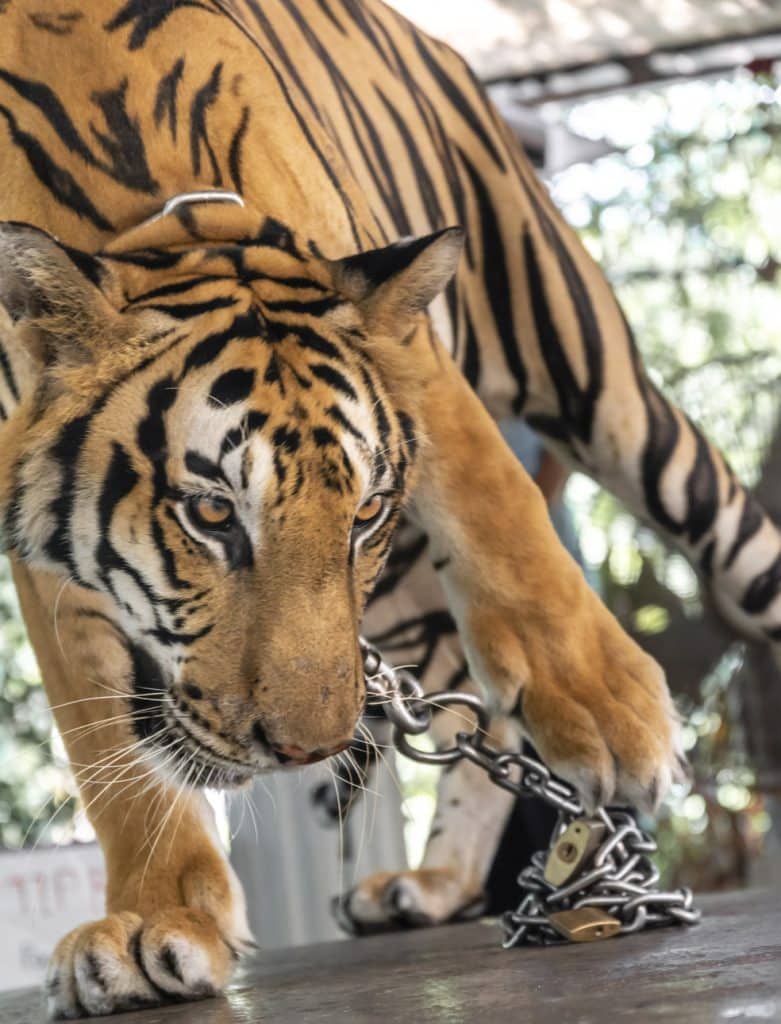
Understanding the Imperative of Preservation
The urgency of safeguarding endangered pet species cannot be overstated. These animals often serve as companions, educators, and wonderful additions to our homes; yet, their survival hinges on our awareness and action. As pets become increasingly popular among enthusiasts, it is essential to recognize that many of them come from vulnerable ecosystems and fragile populations.
The Importance of Biodiversity
Biodiversity plays a significant role in maintaining healthy ecosystems, which directly impacts our quality of life, health, and wellbeing. When we think of pet ownership, it’s easy to focus solely on the individual animal; however, the broader implications of our choices reverberate through the environment and other species. Here are a few key points to consider:
- Ecological Balance: Each species, no matter how small, contributes to the intricate balance of its ecosystem. The decline of one species can lead to a cascade of effects, destabilizing environments and impacting other wildlife.
- Carbon Sequestration: Forests and wetlands, essential habitats for many endangered species, act as carbon sinks that mitigate climate change. Preserving these habitats is not just crucial for the animals that reside there but for the planet as a whole.
- Health Benefits: Many pet species are interconnected with human health. For instance, certain reptiles and amphibians have been shown to offer medicinal properties, showcasing the potential for groundbreaking medical advancements linked to biodiversity.
The Role of Pet Owners in Conservation
Pet owners are uniquely positioned as advocates for conservation. Their passion for exotic pets can fuel a movement that prioritizes ecological responsibility. Here are some practical steps that pet owners can take to foster protection and ensure the well-being of endangered species:
- Study Your Species: Familiarize yourself with the specific needs, behaviors, and conservation status of your pet. Understanding their requirements enables you to create an environment that promotes their well-being and educates others about their needs.
- Responsible Ownership: Encourage others to adopt endangered species responsibly. This includes ensuring that animals are bred ethically, avoiding illegal sources, and being mindful of the wildlife’s role within the larger ecosystem.
- Support Conservation Efforts: Consider donating to or volunteering with organizations dedicated to wildlife protection. Many groups work tirelessly to protect habitats and promote sustainable practices that benefit both pets and their wild counterparts.
By embracing their roles as stewards of the earth, pet owners can directly influence the future of endangered species. It’s about creating a culture that values respect for life in all its forms, allowing both pets and their wild relatives to flourish. The road to conservation and enhanced well-being for endangered pet species begins with informed decisions and a collective commitment to change.
| Advocacy and Awareness | Benefits of Education |
|---|---|
| Raising Awareness | Informed Communities |
| Engaging Local Initiatives | Support for Conservation Efforts |
| Promoting Ethical Trade | Long-term Sustainability |
As we delve deeper into the significance of *caring for endangered pet species*, the role of advocacy and awareness emerges as a powerful tool in preservation efforts. The act of raising awareness not only helps in cultivating a sense of responsibility among pet owners but also educates them on the needs of these vulnerable animals. Engaging with local initiatives allows communities to actively participate in wildlife workshops, which furthers their understanding of habitat conservation and species well-being.Moreover, promoting ethical trade concerning endangered pet species ensures that buyers are informed about the origins and impacts of their purchases, fostering a culture of conservation. This commitment ultimately leads to Support for Conservation Efforts, driving funds and resources to areas where they’re critically needed. By focusing on long-term sustainability, we create a ripple effect that benefits not just pets but ecosystems at large, encouraging each individual to become a steward in this vital endeavor.
DON’T MISS: Click here for your essential pet owner checklist
Implementing Sustainable Practices
As we navigate the complexities of caring for endangered pet species, it’s imperative to examine how sustainable practices can integrate into our daily lives. The ecological footprint of pet ownership can be significant; thus, mindful decisions are crucial in minimizing this impact while enhancing the well-being of our cherished companions.
Environmental Impact of Pet Care
From the feeds we choose to the products we purchase, every element of pet care contributes to our planet. Here are ways to reduce the environmental footprint associated with keeping endangered pets:
- Eco-Friendly Products: Consider sourcing food and accessories from companies that prioritize sustainability. Choosing biodegradable or recyclable products can minimize waste and reduce pollution.
- Reduced Carbon Pawprint: Using local sources for feeds and supplies not only supports small businesses but also cuts down transportation emissions, effectively decreasing your pet’s carbon pawprint. Research pet food brands that utilize local ingredients and environmentally conscious packaging.
- Water Conservation: Animals, especially those from arid regions, require careful attention to their water needs. Implementing water-saving methods in habitat maintenance—such as using water-efficient systems—contributes to overall conservation efforts.
Engaging in Local Conservation Initiatives
Active participation in local conservation initiatives fosters a community-oriented approach to protecting endangered pet species. Many organizations and conservation groups organize hands-on projects that require volunteers, offering a multitude of options for pet owners to get involved. Here are some ways to engage:
- Habitat Restoration: Many local non-profits engage in habitat restoration projects that create healthy ecosystems for endangered species. Involvement can range from planting native vegetation to participating in cleanup efforts, enhancing the environment for both pets and wildlife.
- Awareness Campaigns: Join or support advocacy groups that focus on raising awareness about the plight of endangered species. Share educational resources, host community workshops, or even use social media platforms to spread information about responsible pet ownership and conservation.
- Collaborate with Experts: Building relationships with veterinarians and conservation biologists can provide insights into best practices for pet care as it relates to broader conservation efforts. Engaging with experts can help create educational outreach programs that involve kids and adults alike.
The Power of Education and Communication
Educating yourself and your community about the importance of conserving endangered pet species can significantly influence collective action. Knowledge is power. By sharing insights gleaned from research, classes, or personal experiences, pet owners can spark conversations that lead to action. Here’s how to make an impact:
- Host Informational Events: Organize pet-friendly events that include discussions or presentations by conservationists. This can draw attention to endangered species and elevate community engagement in conservation efforts.
- Create Community Awareness Programs: Launch initiatives aimed at schools to educate children about endangered species and their ecosystems. Engaging young minds fosters a generational responsibility towards conservation.
- Utilize Digital Platforms: Create blogs or social media campaigns that emphasize the impact of pet ownership on conservation efforts. Sharing informative articles, graphics, and success stories can inspire action among peers.
By taking these proactive steps, pet owners can become effective advocates for endangered species. The journey toward fostering sustainable and educated practices will not only ensure the well-being of your pet but also contribute to the preservation of biodiversity that supports the entire ecosystem.
DON’T MISS OUT: Click here to discover the pros and cons of pets
Conclusion
Caring for endangered pet species is not just a responsibility but a profound opportunity to contribute to a more sustainable and harmonious world. As pet owners, it is crucial to acknowledge our role in protecting biodiversity and promoting well-being for both our beloved animals and the planet. Through informed choices in pet care practices, such as selecting eco-friendly products and supporting local businesses, we can significantly lessen our ecological footprint.
Moreover, engaging in community conservation initiatives enhances awareness and fosters a collective commitment to the plight of endangered species. Whether participating in habitat restoration projects or amplifying awareness campaigns, taking action can lead to meaningful changes that benefit entire ecosystems. Education also plays a vital role; by sharing knowledge with our communities and making resources accessible, we can inspire the next generation of responsible pet owners and conservationists.
As we reflect on our unique position as caretakers of endangered pets, let us strive to not only enrich their lives but also protect the environments they come from. In understanding that every small effort counts, we pave the way for a future where biodiversity flourishes, and the well-being of all living creatures is prioritized. Together, we can be stewards of change, fostering a deeper respect for nature while ensuring that endangered pet species thrive alongside us.

Linda Carter
Linda Carter is a writer and pet care expert specializing in pet health, grooming, and wellness. With extensive experience helping pet owners create safe, loving, and enriching environments for their animals, Linda shares her knowledge on our platform. Her goal is to empower readers with practical advice and strategies to ensure their pets thrive and lead joyful, healthy lives.