The Diversity of Pet Bird Species: What You Need to Know
The Fascinating World of Pet Birds
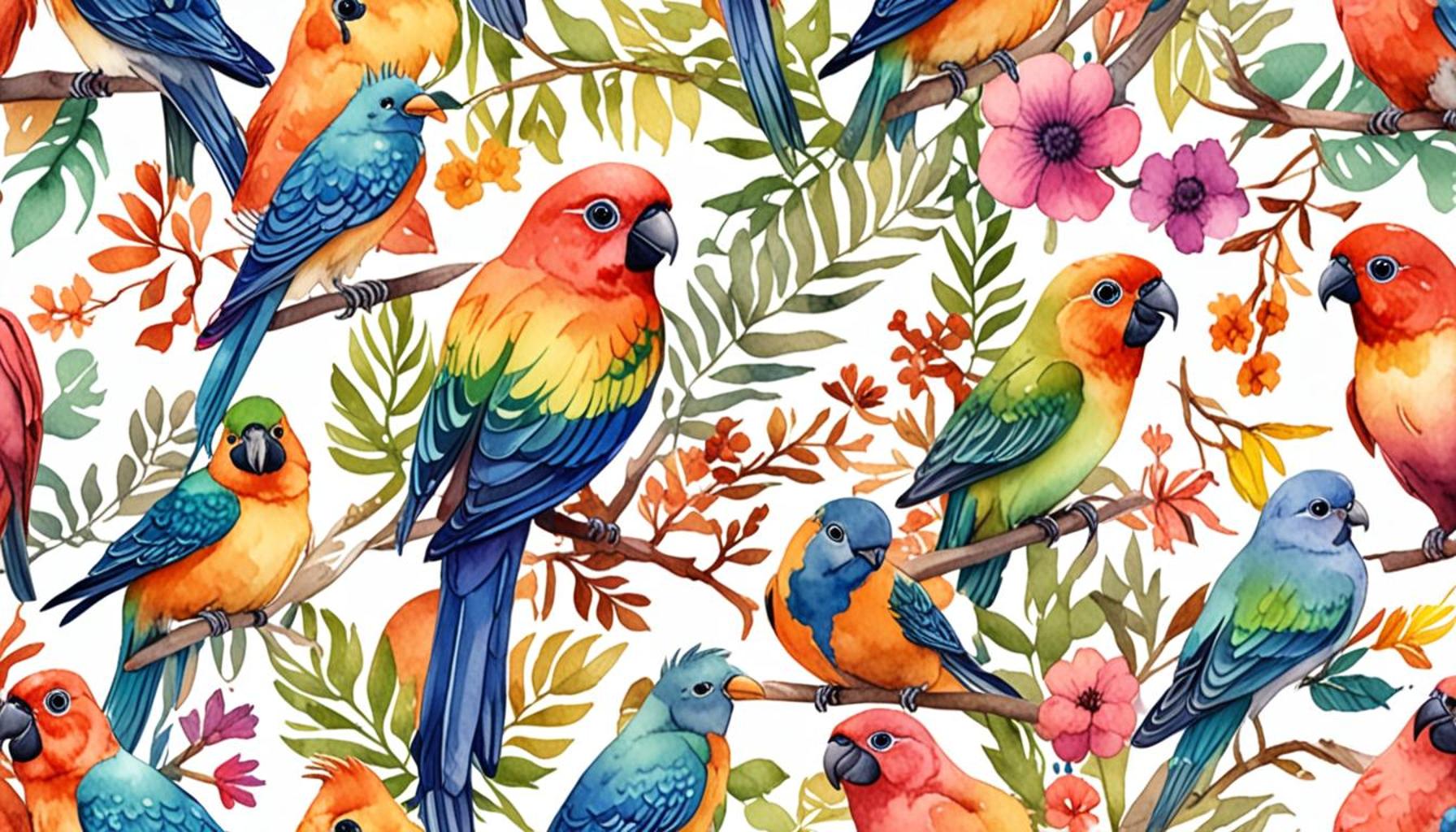
Birds have captured the human imagination for centuries, and their popularity as pets has only grown. With a staggering variety of species available, potential bird owners face a delightful challenge in choosing the right companion. Each bird species exhibits a rich tapestry of traits, colors, and personalities that make them not only beautiful to observe but also engaging social partners. Understanding this diversity can significantly enhance the bonding experience and fulfill the responsibilities of bird ownership.
Size Matters: A Range of Feathered Friends
When considering a pet bird, size is an important factor that impacts care, space requirements, and interaction. Small birds like zebra finches and canaries are often more suited for beginners, requiring less space and a comparatively simple diet. They can thrive in smaller cages and may not require extensive out-of-cage time. In contrast, larger species such as macaws and African grey parrots demand more spacious living conditions and a more varied diet alongside significant social interaction. For example, a macaw may weigh up to 3.5 pounds and require a cage that allows for ample movement, while a parakeet might only weigh a few ounces and be content in a compact aviary.
A Kaleidoscope of Colors
The color spectrum in the avian world is astonishing. Birds like the bold scarlet macaw display stunning plumage that can brighten any room, while budgerigars, or budgies, come in a rainbow of pastel shades, providing endless variety. These visual differences not only enhance their beauty but also reflect their respective habitats and natures. For instance, the vibrant colors of tropical birds often serve a dual purpose in nature—both attracting mates and signaling health. In captivity, choosing a colorful bird can bring joy, reminding owners of nature’s artistry.
Understanding Temperament
Each bird species showcases distinct behavioral traits that are critical for prospective owners to understand. Cockatiels are celebrated for their affectionate and playful demeanor, often forming strong bonds with their human caregivers and enjoying interaction through mimicry and play. Conversely, canaries might exhibit a more solitary behavior, preferring the company of their own kind over human engagement. While some birds can be trained to develop a friendly disposition, others may remain more independent. Recognizing these behavioral distinctions will aid in providing the appropriate environment and care for your feathered friend.
In the United States: Popular Bird Choices
In America, several bird species have established themselves as favorites among pet owners. Budgerigars, often affectionately known as budgies, are ideal choices for first-time bird owners due to their easy-going nature and relatively simple care requirements. African Grey Parrots, famed for their exceptional intelligence, can learn an extensive vocabulary and display cognitive skills akin to primates, making them both entertaining and mentally stimulating companions. Meanwhile, cockatiels have gained a reputation for their playful antics and melodic whistles, often becoming beloved members of the family.
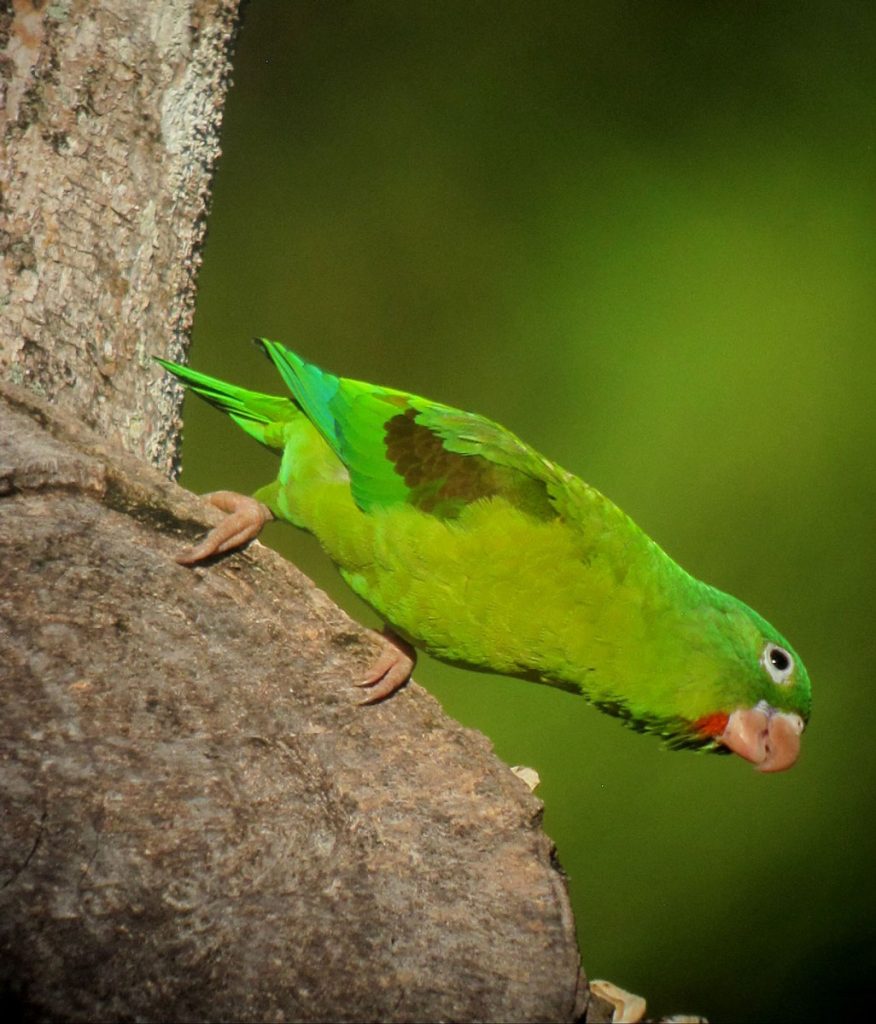
In summary, navigating the world of pet birds is a journey filled with discovery. By educating themselves about the unique needs and characteristics of different species, bird owners can provide enriching environments that promote well-being and happiness. As you delve deeper into this captivating realm, you will not only gain insights but also appreciate the incredible roles these colorful creatures can play in our lives as companions, entertainers, and friends.
DON’T MISS: Click here for essential cat care tips
Diverse Needs and Environments: Tailoring Care for Every Species
As bird enthusiasts embark on their journey to find the perfect feathered companion, it’s crucial to recognize that each bird species comes with its own set of needs and preferences. This includes considerations around diet, social interaction, and habitat, which can vary dramatically. Understanding these requirements not only ensures the health and happiness of the bird but also enhances the bond between owner and pet.
Dietary Demands: Feathers, Seeds, and Fruits
Feeding a pet bird goes far beyond simply filling a bowl with seeds. Each species has unique nutritional needs that reflect their natural diets. For instance, parakeets thrive on a diet primarily consisting of seeds and pellets enriched with vitamins, while cockatiels benefit from a variety of fruits and vegetables, alongside their seed mix. On the other hand, larger birds like macaws require a diet rich in nuts and fresh produce to ensure they receive adequate fats and nutrients.
Moreover, some birds are known to develop dietary preferences that can shape health. For example:
- Finches tend to enjoy a mix of seeds but benefit from occasional greens and fruits for added variety.
- African Grey Parrots need a balanced diet, and it’s essential to incorporate different food types to prevent conditions like vitamin A deficiency.
- Canaries rely mostly on seeds, but female canaries often require a diet rich in protein, particularly during breeding seasons, to support their reproductive health.
Social Structures: The Need for Interaction
Social behavior is another important factor to consider when selecting a pet bird. Many species thrive on social interaction and require regular engagement with their human caregivers. Birds like budgies and cockatiels tend to enjoy companionship, seeking out their owner’s attention through playful antics or vocalizations. In contrast, some species, such as canaries, may be more solitary and content with less interaction, often preferring the company of their kind.
Understanding the social requirements of a bird species can help ensure they remain mentally stimulated and engaged. In households where owners are often away, birds might experience loneliness or destructive behavior. Thus, it becomes vital for potential owners to ask themselves questions like:
- Will I have enough time to spend with my bird each day?
- Would multiple birds be better to keep each other company?
- What environmental enrichment can I provide to stimulate my bird’s natural instincts?
Creating The Ideal Habitat
The choice of habitat, or living environment, is paramount to the well-being of pet birds. A bird’s cage should not only provide enough space for movement but also reflect its natural habitat to some degree. While small birds can be kept comfortably in smaller cages, larger species like macaws will need a spacious and well-structured aviary to explore and engage their natural behaviors.
Furthermore, the inclusion of toys, perches, and safe-foraging options becomes essential to keep birds entertained. Different species have various preferences—while some love swinging and climbing, others may prefer quiet perches for resting. Therefore, investing time in creating a suitable environment will greatly benefit both the owner and the pet.
In conclusion, the diversity among pet bird species presents a captivating opportunity for owners to deepen their understanding and enhance their care practices. With knowledge about their unique dietary, social, and environmental needs, bird enthusiasts can cultivate rewarding relationships with their feathered companions, ensuring a happy and vibrant household.
The Fascinating World of Pet Bird Species
When considering the diversity of pet bird species, it’s remarkable to note that there are over 400 species commonly kept as pets. Each species offers a unique experience, enriching the lives of their owners in distinct ways. From the charming antics of the Budgerigar to the vibrant colors of the Scarlet Macaw, the variety is indeed a spectacle to behold. Understanding the characteristics and needs of these avian companions is essential for potential bird owners.
Popular Species and Their Unique Traits
Among the most popular pet birds, Parakeets (Budgies) stand out for their playful nature and ability to mimic sounds. These small parrots thrive in social environments and can form deep bonds with their owners. Cockatiels, known for their distinctive crested heads, exhibit an affectionate disposition and require ample social interaction, often communicating through whistles.Another captivating choice is the Lovebird, known for forming strong pair bonds. Their playful and energetic demeanor makes them an engaging pet. Meanwhile, Amazon Parrots offer remarkable vocal abilities and intelligence, making them excellent conversationalists, albeit requiring experienced handling due to their strong personalities.
Understanding Care and Environment
Different species have varying needs in terms of environment and care. For instance, larger species like Macaws demand spacious cages and more interaction to prevent boredom and behavioral issues. In contrast, smaller birds such as Finches can adapt well to smaller spaces but thrive best in flocks. Understanding these species-specific needs is critical for prospective owners to ensure a healthy and happy bird.Navigating the world of pet birds can be daunting, but it’s also a rewarding journey filled with companionship and joy. Whether you’re drawn to the sociability of smaller birds or the beauty of larger parrots, each species has its own allure, making the exploration of their diversity a fulfilling endeavor.
| Category | Advantages |
|---|---|
| Social Interaction | Many species thrive on companionship and can develop strong bonds with their owners. |
| Cognitive Stimulation | Birds like Amazon Parrots require mental challenges, enhancing their interaction and engagement with humans. |
DISCOVER MORE: Click here to learn about the benefits of pet species diversity
Vocal Talents and Personality Traits: What You Should Expect
Beyond dietary and environmental needs, pet birds are renowned for their vibrant personalities and unique vocal abilities. Understanding these traits is essential for potential bird owners to ensure the right match between species and owner lifestyle. Each bird not only brings its charm but showcases distinct behaviors that can enrich the living experience.
The Gift of Gab: Vocalizations in the Avian World
A significant allure of certain pet bird species lies in their vocalizations. Birds like African Grey Parrots and budgerigars are particularly noted for their talking skills, often mimicking human speech and sounds from their environment. African Grey Parrots, with their remarkable cognitive abilities, can learn an extensive vocabulary and even understand context, making them engaging companions. In contrast, cockatiels create a melodious repertoire of whistles and calls, often endearing themselves through their playful interactions.
However, it is important to note that not all pet birds are equally skilled in vocalizations. For example, while canaries are celebrated for their beautiful singing, they are not known for mimicking human speech. Conversely, finches are known for their delightful chirps and social songs but are more suited to non-verbal expressions. As a potential bird owner, consider how much noise you can tolerate in your living space and whether the vocal attributes of a particular species align with your preferences.
Understanding Behavior and Temperament
The diversity of pet birds is also reflected in their temperament and social behaviors. For instance, some birds, like conures, are famed for their playful and affectionate nature, often seeking companionship from their human caregivers. Others, such as parrots, like macaws and Amazon parakeets, are known for being intelligent and can sometimes display surprising mischief when bored. This playful nature is a double-edged sword; while it makes for a fun pet, it also requires diligent care and interaction to prevent behavioral issues such as aggression or screaming.
In contrast, certain species like the budgerigar and the lovebird are typically more amicable and social, making them suitable for first-time bird owners. Most birds thrive on social interactions, and recognizing the behavioral patterns is essential for a satisfying ownership experience. Enthusiasts should explore questions such as:
- How social is the bird, and does it need companionship from other birds?
- What are the common behaviors and quirks of the species?
- How much training or socialization does the bird require?
Hybrid Birds and Color Variations
In recent years, hybrid birds and selective breeding have added even more diversity to the pet bird world. Breeds like the cockapoo (a hybrid of a cockatiel and a budgerigar) offer intriguing variations in color patterns and temperaments. Many pet stores or breeders showcase a spectrum of colors, particularly within species like betta finches. This vibrancy in plumage not only enhances the aesthetic appeal of these birds but also showcases the creative lengths to which enthusiasts go in developing and caring for various subspecies.
It’s worth noting that potential owners should be wary of hybrid birds and do thorough research, as their needs and health concerns can differ widely from their parent species. Understanding and respecting the genetic makeup can lead to successful and informed pet ownership. Knowledge is essential when considering the expanding variety of options available in the world of pet birds.
DISCOVER MORE: Click here to learn about the benefits of pet species diversity for mental health
Final Thoughts on the Diversity of Pet Bird Species
In conclusion, understanding the diversity of pet bird species is essential for anyone considering adding a feathered friend to their family. From the playful nature of conures to the vocal prowess of African Grey Parrots, each species offers unique characteristics that can notably enhance your home environment. As we’ve explored, not only do these birds possess diverse vocalizations and temperaments, but their behavioral needs differ significantly, influencing their compatibility with potential owners.
It’s crucial to reflect on your lifestyle, living space, and the time you can dedicate to interaction and care. As we see a rise in hybrid birds, such as the captivating cockapoo, the range of color variations and personalities available continues to expand, offering prospective owners even more choices. However, with greater diversity comes the responsibility to thoroughly research a bird’s specific requirements and potential health considerations.
If you’re considering welcoming a pet bird into your home, take the time to talk to current bird owners, consult with avian specialists, and visit reputable breeders or rescue organizations. By doing so, you will not only make a well-informed decision but also enrich your relationship with your new pet, ultimately leading to a fulfilling companionship. As you contemplate your options, remember that each bird is a unique individual, capable of bringing joy and connection to your life, making the journey of avian companionship a truly delightful endeavor.

Linda Carter
Linda Carter is a writer and pet care expert specializing in pet health, grooming, and wellness. With extensive experience helping pet owners create safe, loving, and enriching environments for their animals, Linda shares her knowledge on our platform. Her goal is to empower readers with practical advice and strategies to ensure their pets thrive and lead joyful, healthy lives.