Pet Animal Species for Children: How to Choose the Ideal Companion
Choosing the Best Pet for Your Child
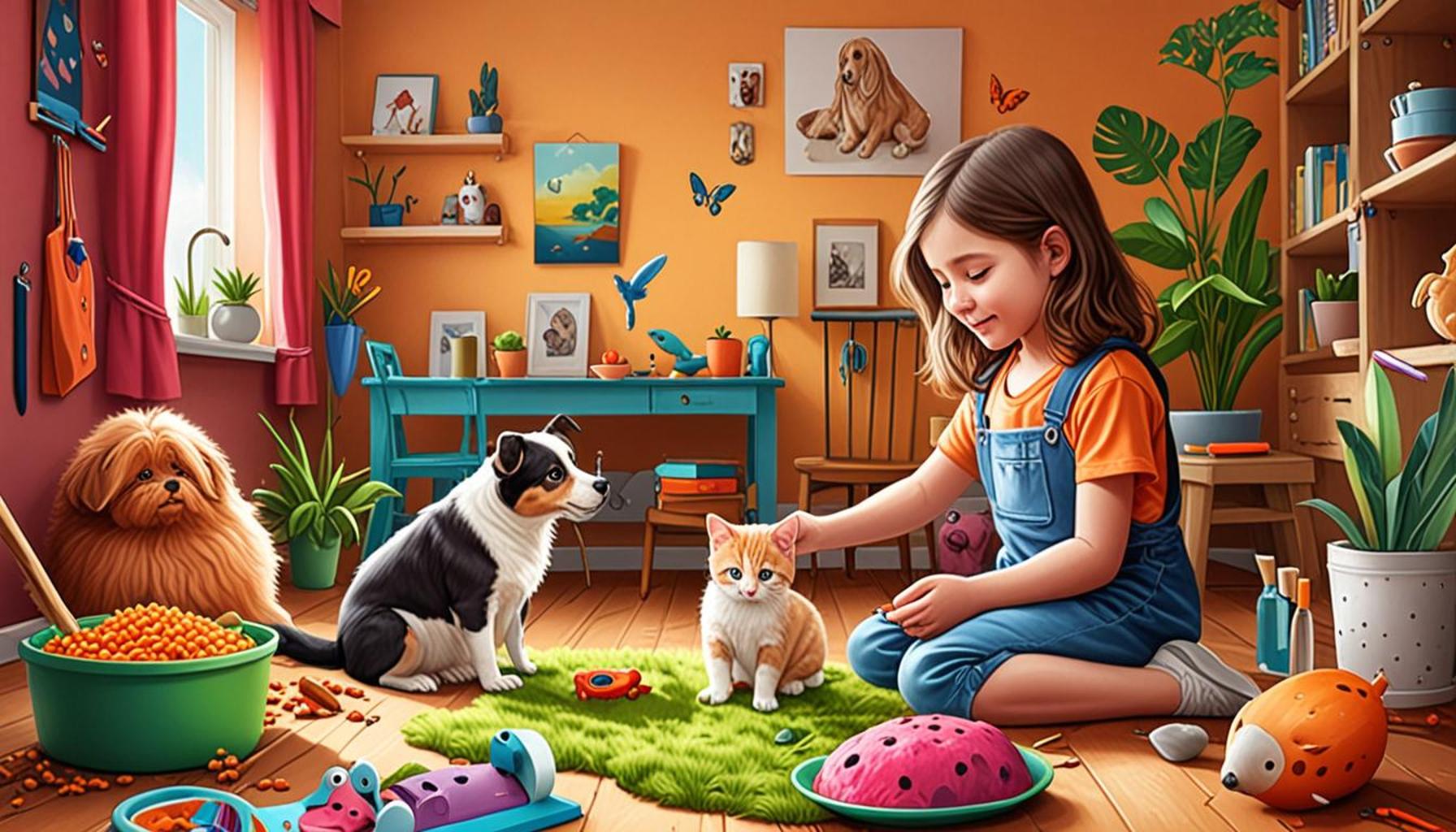
Finding the perfect pet for your child can be a delightful yet challenging experience. With so many pet animal species available, it’s essential to understand their unique characteristics and needs. A pet can be more than just an animal; it can be a companion, a source of joy, and even a valuable teacher, imparting lessons of responsibility and care. When embarking on this journey, there are several key factors to consider that can help ensure a harmonious match between your child and their new pet.
- Space Requirements: Evaluate your home and outdoor areas for the new pet’s needs. Larger animals like dogs often require ample room to roam and play. If you reside in an apartment, smaller breeds or pets that don’t take up much space, like hamsters or fish, may be more suitable. If you have a backyard, consider how that space will accommodate the pet’s activity level, particularly for dogs, who thrive on exercise.
- Maintenance Level: Consider the time and effort required for care and grooming. Some pets, like dogs, need daily walks and regular grooming, while others, such as fish or reptiles, may have lower maintenance requirements but need specific care like water quality control or dietary considerations. Understanding your family’s schedule can help you choose a pet that fits comfortably into your lifestyle.
- Allergies: Identify any potential allergies your family may have. It’s not uncommon for families to be allergic to certain animals, especially cats and dogs. Many hypoallergenic breeds exist, like the Poodle or certain terriers, which produce fewer allergens. Conducting thorough research and possibly spending time with the type of animal before bringing one home can help mitigate allergic reactions.
- Age Appropriateness: Ensure the pet is suitable for young children. Certain pets may not tolerate the vigor and excitement of young kids, while others, like guinea pigs and rabbits, tend to be more gentle and accommodating. Understanding the temperament and behavioral traits of potential pets is critical in making a sound choice that will create a lasting bond.
Different pets come with varying levels of energy, sociability, and training needs. For example, popular child-friendly pets include:
- Dogs: Loyal and protective companions that offer unmatched loyalty, dogs require regular exercise and training. Engaging your child in walking or playing fetch fosters a sense of responsibility.
- Cats: Independent and low-maintenance, cats can be an ideal choice for busy families. They often entertain themselves, making them an excellent match for children who might not be available to play constantly.
- Rabbits: Known for their gentle nature, rabbits can develop strong bonds with children and can be litter-trained, making them a manageable pet for families.
- Guinea Pigs: Social creatures that thrive in pairs, guinea pigs like to interact and can be an excellent first pet for kids learning to care for animals.
- Fish: An aesthetically pleasing option, fish are low maintenance and can provide a calming effect in the home. Setting up an aquarium can also become a fun family project.
As you embark on this exciting journey, remember that the right pet choice can significantly enhance your child’s life, teaching them vital life skills such as responsibility, empathy, and the value of companionship. By carefully investigating various species and considering what best suits your family’s lifestyle, your decision can lead to years of joy for both your child and their new furry or scaly friend.
DISCOVER MORE: Click here to keep your feline friend safe
Understanding Different Pet Animal Species
As you contemplate the ideal companion for your child, it’s crucial to delve into the diverse species of pets available and their specific characteristics. Each pet species presents unique traits, benefits, and challenges that can impact both your family dynamic and your child’s experience. Gaining insight into these aspects will prepare you for the rewarding journey of pet ownership.

Dogs: The Loving Canine Companions
Dogs are often regarded as the quintessential family pet, boasting an array of breeds that offer various sizes, temperaments, and energy levels. Large breeds like Golden Retrievers and Labrador Retrievers are known for their friendly demeanor, making them suitable for families with ample space. Conversely, smaller breeds, such as French Bulldogs and Pugs, can thrive in apartments and offer the same affectionate companionship. Regardless of the breed, dogs require substantial attention, exercise, and training, fostering a sense of responsibility in children. Engaging your child in caring for a dog—from walking to feeding—can encourage a deeper connection and teach essential life skills.
Cats: The Independently Affectionate Felines
Cats can be the perfect balance for families seeking a low-maintenance pet. Typically more independent than dogs, cats manage well on their own and often exhibit playful behavior that can keep children entertained. Breeds such as the Ragdoll or Maine Coon are known for their affectionate personalities, making them particularly suited for families. Moreover, cats generally require less rigorous exercise; however, they benefit from interactive playtime to develop their social skills and keep them stimulated. Instilling a sense of routine for feeding and care can help children understand the importance of nurturing another being.
Rabbits: The Gentle Hoppers
Rabbits can serve as a fantastic first pet for children. Known for their gentle and amiable nature, these furry friends offer a delightful companionship experience. With proper care, such as diet, housing, and handling, they can become quite sociable and form strong bonds with young ones. Rabbits are typically litter-trained and can be easily integrated into family life with minimal fuss. It is essential to educate your child about the proper handling of rabbits to ensure both safety and comfort for the animal.
Guinea Pigs: The Social Creatures
For families looking for a pet that thrives on interaction, guinea pigs are an excellent choice. Their social nature makes them ideally suited for pairs, thereby encouraging your child to learn about companionship within the animal world. Known for their unique vocalizations and personalities, guinea pigs require a comfortable habitat and access to fresh veggies. They are playful yet gentle, allowing young children to take an active role in pet care while promoting empathy and understanding.
Fish: The Serene Aquatic Wonders
Fish can introduce children to the concept of responsibility while offering a visually vibrant addition to the family home. Simple aquariums can provide a relaxed atmosphere, and children can learn about aquatic ecosystems by caring for their fish. Selecting hardy species, such as Goldfish or Betta Fish, can make the introduction to pet ownership smooth and enjoyable. Parents can engage children in the process of setting up and maintaining the aquarium, turning it into a family-oriented project that fosters teamwork and patience.
By exploring these pet animal species, you can understand their needs and characteristics, making it easier to select the ideal companion for your child. Each species has its own unique benefits, allowing families to find the right match for their lifestyle while providing meaningful lessons in family responsibility and care.
| Species Category | Advantages |
|---|---|
| Dogs | Companionship and loyalty, great for active families. |
| Cats | Easy to care for, independent yet affectionate companions. |
| Rabbits | Gentle creatures that are perfect for younger children. |
| Guinea Pigs | Interactive, social pets that enjoy being handled. |
When selecting the ideal pet for children, it’s essential to consider various factors including temperament, care requirements, and age appropriateness. Dogs offer unparalleled loyalty and companionship and can encourage children to be active through walks and playtime. Meanwhile, cats provide a lower-maintenance option while still delivering affection and joy, making them suitable for less active households.For families with younger children, rabbits can be an excellent choice due to their gentle nature. They require moderate care and can be great for teaching kids responsibility. Additionally, guinea pigs are social animals that enjoy interaction, making them delightful companions for kids who are ready for a pet that thrives on social engagement.Understanding the characteristics of each species aids in ensuring a harmonious family environment and fosters a love for animals in young minds. By learning more about the needs and benefits of these pet animals, families can make informed decisions that will enrich their children’s lives.
DISCOVER MORE: Click here for essential gear
Exploring More Pet Animal Options for Children
While dogs, cats, rabbits, guinea pigs, and fish often come to mind when considering pet companionship for children, there are several other pet animal species that can also be great additions to your family. Understanding these options can expand your choices and help you find the best fit for your child’s needs and your family dynamic.
Hamsters: The Tiny Adventurers
Hamsters are an excellent option for families who may not have the space for larger pets. These small rodents are known for their playful antics and curious nature, making them a fascinating choice for young children who enjoy interactive play. Hamsters are relatively low-maintenance, requiring a cage, bedding, a wheel for exercise, and a balanced diet. However, it’s important that children learn how to handle hamsters gently, as they can be easily startled. A great way for kids to engage with hamsters is through training; teaching them simple tricks can provide an enriching experience.
Reptiles: Unique Companions for Curious Minds
For families willing to embrace the less conventional, reptiles such as geckos, bearded dragons, and snakes can make intriguing companions. These creatures require specific habitats and care, which can be a valuable learning experience for kids interested in biology and responsibility. While reptiles are typically low-maintenance in terms of daily interaction, educating children about their habitats and dietary needs is crucial. Enrichment activities, such as designing their terrarium or learning about their natural behaviors, can foster a deeper appreciation for these unique creatures.
Birds: The Feathered Friends
Birds, such as parakeets, cockatiels, and canaries, can bring a lively atmosphere to your home. Known for their ability to mimic sounds and songs, birds can provide both entertainment and companionship. They require a cage, fresh food, and mental stimulation through toys and social interaction. Involving children in daily tasks like feeding and cleaning the cage can teach them valuable lessons about pet care. Moreover, birds are often social creatures that thrive on interaction, making them ideal for children who enjoy engaging with their pets.
Ferrets: The Playful Bandits
Ferrets are another unconventional pet choice that can be delightful for children aged seven and up. Known for their playful nature, ferrets love to explore their environment and engage in playful shenanigans. They require ample space to hop around and play, as well as opportunities to interact with family members. Parents will need to provide a secure living area and supervise playtime since ferrets can be quite mischievous. Proper care includes a balanced diet, regular play sessions, and socialization, reinforcing the lessons of responsibility for young pet owners.
Chinchillas: The Soft Companions
Chinchillas, with their luxuriously soft fur and charming personalities, can be mesmerising pets, although they do require a bit more specialized care. Best suited for older children, chinchillas thrive in a cool, dry environment and enjoy dust baths for grooming. They are nocturnal, making them an ideal companion for families that are more active in the evenings. Caring for a chinchilla involves understanding their dietary needs and appropriately addressing their social nature, as they often benefit from companionship with their kind.
By broadening your exploration of pet animal species, you can uncover a variety of unique companions that cater to your family’s interests and lifestyle. Each of these animals offers different opportunities for learning, connection, and joy within your household, allowing children to enhance their sense of empathy and responsibility while enjoying the companionship of a beloved pet.
LEARN MORE: Click here to discover the best for your pet
Finding the Perfect Pet Fit for Your Family
Choosing the ideal pet animal species for your child extends beyond the allure of cuddly creatures and vibrant hues; it demands a thoughtful alignment with your family’s lifestyle, values, and dynamics. By exploring a range of options—from traditional favorites like dogs and cats to the more unconventional hamsters, reptiles, and birds—you can discover diverse companions that enrich your child’s development and sense of responsibility.
Every pet has unique care requirements and personality traits, offering different opportunities for education and bonding. Whether your child is eager for the lively companionship of a playful ferret or the serene presence of a fish tank, it’s vital to involve them in the decision-making process. This engagement not only teaches valuable lessons about pet care but also cultivates empathy, patience, and commitment.
As you embark on this journey, take the time to research and understand the needs of various animals. Consider your living environment, the amount of time your family can dedicate to interacting with a pet, and any specific interests or challenges your child may have. This thoughtful approach ensures that you and your child can cherish a fulfilling relationship with a companion animal that’s perfect for your unique family situation. Ultimately, your search for the right pet can lead to countless joyful moments, instilling lifelong lessons in love, responsibility, and friendship.

Linda Carter
Linda Carter is a writer and pet care expert specializing in pet health, grooming, and wellness. With extensive experience helping pet owners create safe, loving, and enriching environments for their animals, Linda shares her knowledge on our platform. Her goal is to empower readers with practical advice and strategies to ensure their pets thrive and lead joyful, healthy lives.