Pet Fish: How to Choose and Care for Aquarium Species
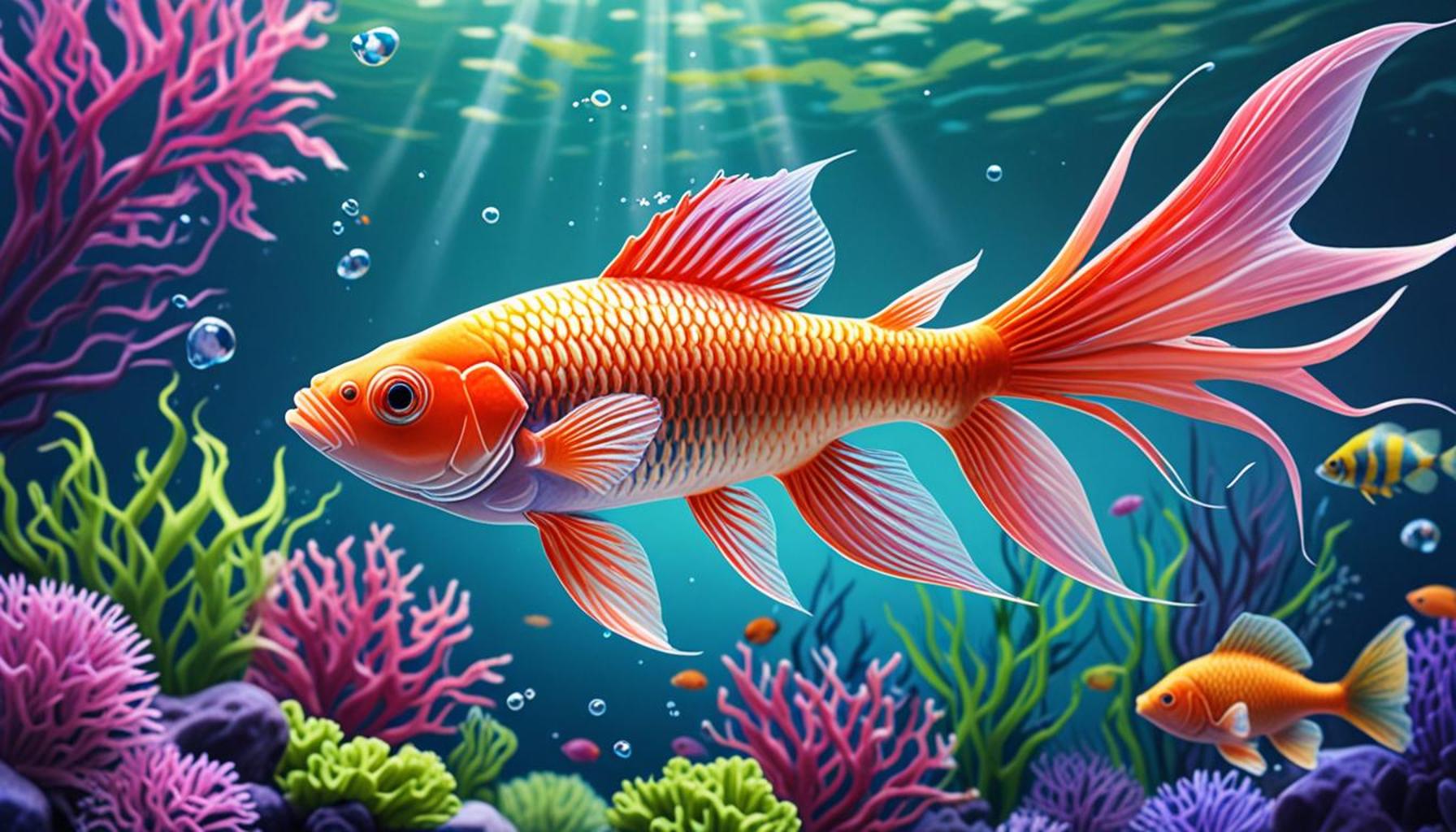
When selecting pet fish, the myriad of species available can be both exciting and bewildering. The underwater realm is bursting with various colors, sizes, and behaviors, enticing hobbyists from beginners to seasoned aquarists. But amidst the vibrant options, how can you find the species that best suit your aquarium and lifestyle?
Key Considerations
Before embarking on your aquatic adventure, it is essential to consider certain fundamentals that will guide your decision-making process:
- Tank Size: Every fish species comes with its unique spatial needs. For instance, while a Betta fish can thrive in a smaller 5-gallon tank, larger species like goldfish require significantly more space, often a minimum of 20 gallons or more to stay healthy in the long term. Understanding the spatial requirements can prevent overcrowding and help maintain water quality.
- Water Conditions: The environment you create in your aquarium is vital for your fish’s well-being. Each species has specific requirements for temperature and pH levels. For example, Tetras prefer a warmer water temperature of around 75-80°F with a slightly acidic pH, whereas some cichlids thrive in more alkaline conditions. Testing and monitoring these parameters regularly can ensure your fish remain stress-free.
- Compatibility: Not all aquatic species play well together; some fish are naturally territorial or display aggressive behaviors. For example, introducing a Betta fish to a community tank filled with smaller fish might lead to trouble, as they can exhibit hostility towards tankmates. Thus, researching compatibility charts or seeking advice from local aquarium societies can help fill your tank harmoniously.
With a grasp of these essential aspects, you can more easily determine which species will thrive in your specific aquarium setup. The allure of shimmering scales and the graceful motions of fish swimming through water create an enchanting ambience, making aquariums a popular choice for home décor and relaxation, especially in the United States.
Types of Aquarium Fish
To assist in your journey, here are some beloved types of fish to consider:
- Betta Fish: Specifically captivating with their vibrant hues and flowing fins, Betta fish, also known as Siamese fighting fish, have gained popularity for both their beauty and their relatively low maintenance requirements. However, their temperament means they often do best in tanks without male Betta companions.
- Goldfish: Renowned as a classic choice for beginners, goldfish are often associated with good fortune and symbolize prosperity. Their variety—from the common goldfish to the more exotic ranchu—offers a plethora of visual appeal, but their care requires a keen understanding of tank upkeep.
- Guppies: These lively fish are ideal for those new to aquariums due to their hardiness and vibrant colors. Guppies are also livebearers, meaning they can reproduce in your tank, adding a dynamic aspect to your aquatic ecosystem.
Understanding the unique care requirements and personality traits of each species will not only enhance your aquarium experience but also foster a healthy environment for your aquatic companions. The fascinating world of pet fish offers a chance to connect with nature, and embarking on this journey opens the door for continuous learning and enjoyment.
DON’T MISS OUT: Click here to discover essential gear for your new pet
Navigating the Underwater World: Selecting Your Perfect Fish
Choosing the right fish for your aquarium can feel like diving into an ocean of choices, but understanding key factors will help you narrow down your options. As you embark on this journey, contemplate not just the visual appeal of different species, but also their specific care requirements and compatibility with one another. Here’s a closer look at some fundamental types of aquarium fish along with their essential needs and characteristics.
Common Aquarium Fish to Consider
Whether you prefer striking colors or unique behaviors, the aquarium fish world has something to offer everyone. Here’s a brief overview of some popular types of fish that are well-suited for various levels of aquarists:
- Neon Tetras: Small yet mesmerizing, Neon Tetras are a favorite among beginners. With their iridescent blue and red stripes, they thrive in schools of six or more. They require a well-planted tank to feel secure and prefer slightly acidic to neutral pH levels.
- Oscar Fish: For those with larger tanks and a love for personality, Oscar fish are known for their intelligence and interactive behavior. These fish can grow quite large and have nuanced temperaments that may require more space and regular engagement. Their distinct patterns and vibrant colors make them a striking addition to large community tanks.
- Platies: Platies are hardy, adaptable fish that come in various colors and are easy to care for, making them another great option for beginners. They are livebearers, meaning they give birth to live young, and they thrive in community settings, provided they are not housed with aggressive species.
Each of these fish species has its appeal and specific care needs. By familiarizing yourself with their requirements, you can create a well-balanced ecosystem tailored to your preferences and lifestyle.
Understanding Behavioral Traits and Care Needs
It’s vital to take into account not just the physical attributes of your chosen fish, but also their behavioral traits. Fish like the Betta and African Cichlids are known for their territorial nature. In contrast, fish such as guppies and tetras typically exhibit peaceful behaviors, making them ideal for community tanks. Take the time to research habits, social dynamics, and dietary needs of each species. This diligence will lay the foundation for a thriving aquarium environment.
Moreover, maintaining proper water quality and dietary sustenance is essential. Regular water changes, monitoring ammonia and nitrate levels, and providing species-appropriate food will improve longevity and vitality in your fish. Regularly scheduled feedings and attention will yield vibrant colors and active behaviors, making your aquarium even more engaging.
As you review these options and considerations, remember that maintaining a healthy, diverse aquarium requires commitment and care. The exploration of pet fish selections can be rewarding, providing not only companionship but also a miniature slice of aquatic wonder right in your home. Stay tuned to learn more about specific care tips and advanced techniques to ensure your fish thrive in their underwater haven!
| Category 1 | Category 2 |
|---|---|
| Fish Selection | Consider species that thrive in similar water conditions. |
| Community Tank Compatibility | Ensures harmony among species, reducing stress. |
Selecting the right pet fish is crucial, as it directly impacts the aquarium’s ecosystem. Start by researching different aquarium species and their needs. For instance, some fish prefer warmer temperatures, while others thrive in cooler waters. This knowledge can help you maintain a balanced environment.Additionally, understanding community tank compatibility is essential to minimize aggression and stress among fish. Some species are better suited to cohabitate, creating a vibrant and peaceful aquarium. For example, pairing neon tetras with guppies often results in a visually appealing and harmonious tank.Keeping up with tank maintenance, such as regular water changes and checking water parameters, also plays a pivotal role in fish health. Together, these practices can lead to a flourishing aquatic habitat that not only benefits the fish but also enhances the overall aesthetic appeal of your home.
DIVE DEEPER: Click here to uncover the best options for your pet’s diet
Creating the Perfect Aquarium Environment
Once you’ve selected the fish that will inhabit your aquarium, the next step is to construct an optimal environment that caters to their specific needs. The aquarium itself is not merely a vessel of water, but a dynamic ecosystem that enables the flourishing of aquatic life. Understanding the essential elements of an aquarium setup is crucial for both novice and experienced fishkeepers.
Water Parameters and Filtration
The first consideration is water quality. Your fish rely on clean, well-maintained water to thrive. Regularly testing the water for ammonia, nitrite, and nitrate levels is essential. These parameters play a significant role in the health of your aquatic inhabitants, and fluctuations can lead to stress or disease. pH level is another critical factor; different species have varying tolerances, with some preferring acidic settings while others thrive in alkaline conditions.
A good filtration system is a foundational element of any aquarium. It not only filters out physical debris but also facilitates the essential biological filtration process. Look for filters that provide both mechanical and biological functions, which can significantly help in breaking down harmful waste products and maintaining the health of your fish.
Heating and Lighting
The right heating equipment is also essential, especially for tropical species that require specific temperature ranges to thrive. Invest in a reliable aquarium heater and monitor the temperature regularly. Most tropical fish do well between 75°F and 80°F, but always check the specific needs of your chosen species.
Lighting not only highlights the beauty of your aquarium but also influences the growth of live plants and algae. LED lights are popular for their energy efficiency and longevity, enabling you to showcase vibrant colors in your fish while providing the necessary light for any aquatic plants you may decide to include. Ensure you maintain a consistent light cycle mimicking natural daylight, generally around 10 to 12 hours daily.
Decor, Substrate, and Plant Life
Decor and substrate play a crucial role in creating a comfortable environment for your pet fish. Incorporating various types of plants, stones, and driftwood can mimic fish’s natural habitats, providing them with hiding spots and territories to explore. Substrates should be chosen based on the species you plan to keep; for instance, substrate for planted tanks becomes essential if you have live plants, while sandy bottoms may be more suitable for species such as cichlids that tend to burrow.
Adding live plants can greatly enhance the aesthetics of your aquarium and improve water quality. They produce oxygen, absorb nitrogenous wastes, and offer fishes natural hiding spots. If maintaining live plants feels daunting, opting for hardy varieties such as anubias or java ferns can ease the burden.
In summary, crafting the right environment for your fish is a multifaceted endeavor that encompasses a blend of water chemistry, filtration, heating, lighting, and decor. With proper attention to these details, you can create a harmonious aquarium that not only supports the health and well-being of your fish but also provides you with a stunning visual centerpiece in your home. As you dive deeper into the world of aquarium keeping, the opportunities to learn and discover will undoubtedly expand! Stay tuned, as we delve into the best feeding practices and common mistakes to avoid in fish care next.
DON’T MISS: Click here to discover essential dog gear
Conclusion
Choosing and caring for pet fish is both a rewarding and enlightening journey that introduces you to a vibrant underwater world. This intricate endeavor not only involves the thoughtful selection of aquarium species but also a commitment to creating the ideal environment in which these aquatic creatures can thrive. As highlighted, understanding the water parameters, effective filtration systems, and appropriate heating and lighting setup are all crucial components in maintaining a healthy aquarium ecosystem.
In addition to technical considerations, the aesthetic elements like decor and plant life foster not just beauty but also the well-being of your fish. Live plants contribute to oxygen production and waste absorption, creating a more balanced habitat. Whether you opt for low-maintenance species or dive into the more complex realms of fish keeping, the knowledge you gain in this process enriches your experience.
Moreover, continual learning about the specific needs of your chosen species will enhance your ability to respond swiftly to any changes in behavior or health, ensuring a happy and thriving aquatic community. As you immerse yourself deeper into the captivating world of pet fish, keep exploring and adapting your approach. With every step you take, you unlock new layers of knowledge that will not only help your fish flourish but will also transform your aquarium into a stunning centerpiece in your home. Stay curious, and enjoy the serene beauty that pet fish bring to your life!

Linda Carter
Linda Carter is a writer and pet care expert specializing in pet health, grooming, and wellness. With extensive experience helping pet owners create safe, loving, and enriching environments for their animals, Linda shares her knowledge on our platform. Her goal is to empower readers with practical advice and strategies to ensure their pets thrive and lead joyful, healthy lives.