Hunting Behavior Training for Cats: Safely Stimulating Natural Instincts
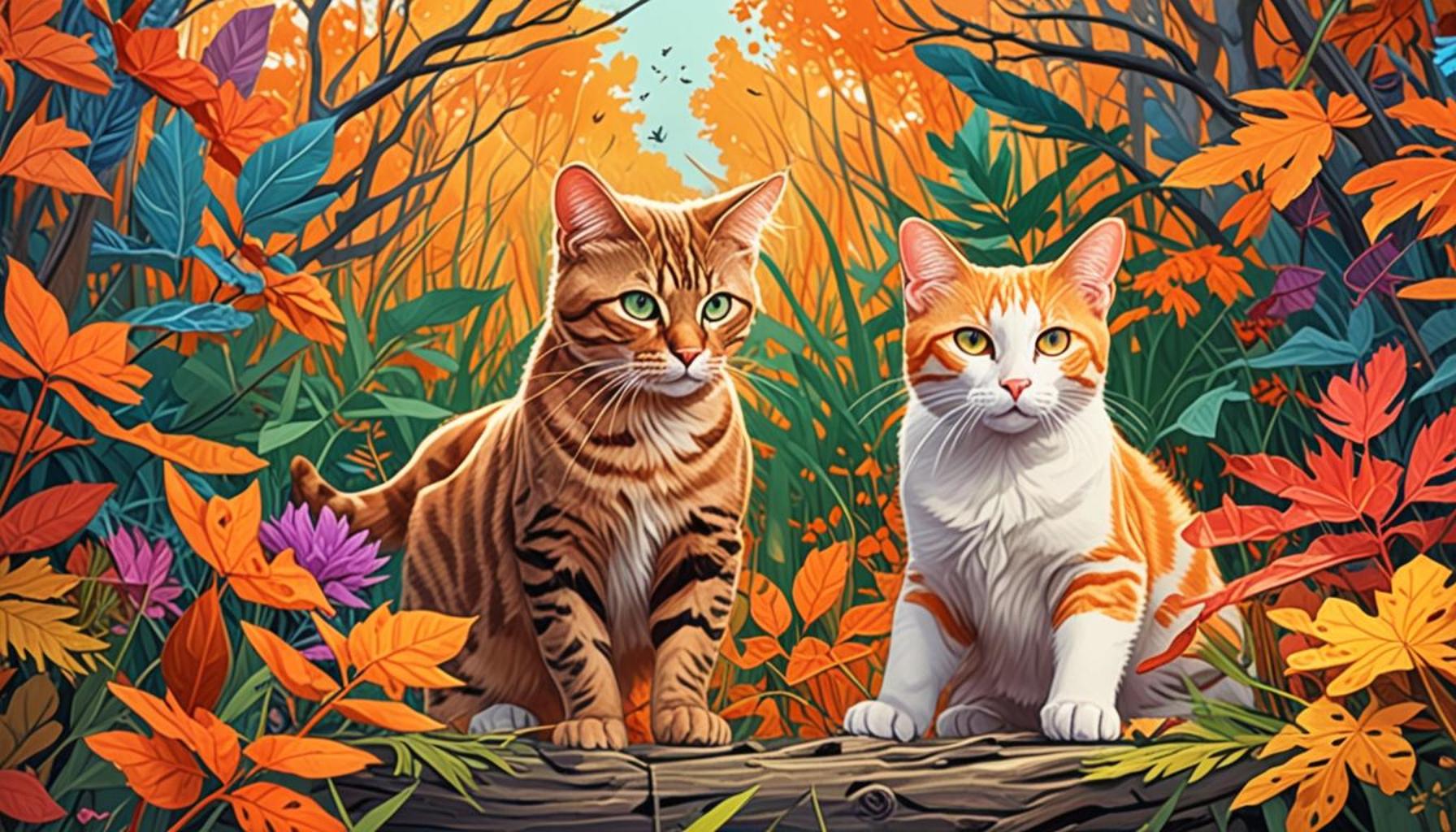
Understanding Your Cat’s Natural Instincts
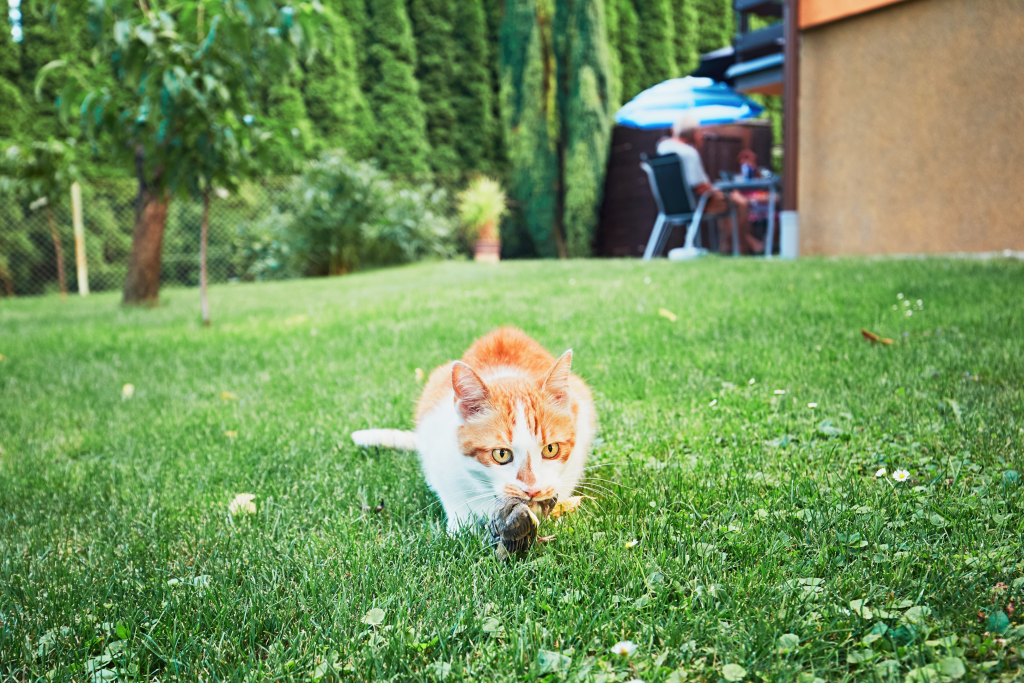
Owning a cat is akin to sharing your space with a mini predator, displaying an incredible array of hunting instincts that are deeply ingrained in their DNA. These instincts, honed over thousands of years, reflect their evolution from solitary hunters to beloved house pets. However, many house cats live a life sheltered from the hunting activities that fulfill these natural behaviors. As responsible pet owners, it is our duty to help our feline friends unleash their inner hunter, thereby enriching their lives and improving their well-being.
By actively engaging in hunting behavior training, you are not merely providing an entertainment outlet but also enhancing their overall quality of life. Here are some significant benefits of embracing this form of training:
- Enhances physical fitness: Engaging in hunting behaviors encourages cats to jump, chase, and pounce, which can improve their physical health and prevent obesity. Active playtime mimics the physical exertion they would experience in the wild.
- Reduces unwanted behaviors: Many behavioral issues stem from boredom or a lack of mental stimulation. By redirecting your cat’s energy towards hunting activities, you can decrease destructive behaviors like scratching furniture or excessive meowing.
- Strengthens the human-animal bond: Interactive play sessions can enrich your connection with your cat. Bonding over shared activities fosters trust and companionship, making both of you feel more fulfilled.
The training process is not solely focused on instilling skills but is about creating enriching experiences that tap into your cat’s wild heritage. To do this effectively, you can introduce various fun and safe methods that cater to their instincts. For instance, utilize toys shaped like small animals or birds, or opt for feather wands that stimulate their predatory drives. Engaging in regular interactive play sessions not only entertains your cat but also sharpens their reflexes and mental acuity.
Another interesting approach is to set up scavenger hunts around your home. Hide small treats or toys in different locations, encouraging them to explore and “hunt” them down, simulating a natural foraging behavior. This can be particularly rewarding for indoor cats, who may lack the natural stimuli found outside.
In this guide, we will delve deeper into effective strategies and tips for training your cat’s hunting behavior. Prepare to embark on an exploration of methods designed to safely unleash those instincts while fostering your feline’s unique talents. Whether you are a new cat owner or a seasoned enthusiast, you will discover ways to cultivate a more dynamic and fulfilling environment for your beloved pet!
DON’T MISS OUT: Click here for essential tips
Exploring Interactive Play Techniques
One of the most effective ways to initiate hunting behavior training for cats is through interactive play. This type of engagement not only encourages physical activity but also taps into their predatory instincts, making playtime more than just a pastime. Understanding the variety of toys available and how to use them effectively can create an enriching environment for your feline friend.
When selecting toys designed for hunting behavior training, consider the following categories:
- Teaser Toys: Feather wands or fishing pole-style toys are excellent choices for stimulating your cat’s hunting reflex. The movement of the feathers mimics the erratic movement of prey, prompting your cat to leap and chase.
- Electronic Toys: Automated toys, such as battery-operated mice that scurry across the floor, can captivate your cat’s attention and motivate them to engage more actively in play. Many of these toys have unpredictable movements, offering an exciting challenge.
- Puzzle Feeders: These ingenious devices encourage cats to solve puzzles to get treats or food, combining the element of play with mental stimulation. They can simulate the foraging behavior cats would exhibit in the wild, allowing for a fulfilling hunting experience.
- Laser Pointers: While caution should be exercised when using laser pointers to prevent frustration, they can effectively engage a cat’s chase instincts. Properly managing playtime, by allowing your cat to catch a tangible toy at the end, can avert potential dissatisfaction.
Incorporating these tools into your daily routine can lead to significant improvements in your cat’s quality of life. Aim for several short play sessions throughout the day, ideally ranging from 10 to 15 minutes each. Cats, like many of us, can become distracted or fatigued, so short bursts of activity can be more effective than prolonged periods of play.
Building a Routine for Success
Consistency is vital in enforcing effective hunting behavior training. Establish a routine that signals playtime to your cat. This could be incorporating specific times during the day when you dedicate yourself to engaging with your feline companion. Some owners find that using a particular sound, like a whistle or a specific call, can help in establishing this routine, making it an expected and anticipated part of the day. Pairing these routines with treats can create positive associations and help motivate your cat to participate eagerly.
Additionally, ensure that your environment is conducive to play. Creating safe spaces for jumping and climbing can enrich your cat’s experience, as they will be more inclined to engage in active hunting behaviors. Using cat trees, shelves, or safe nooks can create opportunities for exploration, allowing cats to exhibit more natural instincts while navigating their territory.
By employing these techniques and understanding your cat’s unique preferences, you can significantly enhance their physical and mental stimulation through hunting behavior training. As you foster these natural instincts, remember that patience and care are essential; rewarding their efforts will lead to a happier and healthier feline companion.
| Advantage | Details |
|---|---|
| Enhances Physical Health | By engaging in hunting behaviors through play, cats can significantly improve their fitness levels and prevent obesity. |
| Stimulates Mental Acuity | Training mimics natural stalking and pouncing, keeping your cat mentally sharp and engaged, reducing boredom-related behaviors. |
| Strengthens Bond with Owner | Interactive games allow for quality bonding time, enhancing the relationship between cat and owner through shared activities. |
| Encourages Natural Instincts | By allowing your cat to express its innate hunting drives, you create a more confident and fulfilled pet. |
DISCOVER MORE: Click here to learn about the pros and cons of common versus exotic pets
Engaging the Senses: Incorporating Scent and Texture
While movement and action are crucial for hunting behavior training for cats, stimulating their other senses, such as smell and touch, plays an equally important role. Cats are naturally inclined to explore their environment with their noses. By incorporating various scents and textures into their play routine, you can enhance their hunting experience and provide a more fulfilling training process.
Utilizing Scent is a powerful way to engage your cat’s interest. Utilize catnip, which is known to attract many felines and induce playful behavior. Simply sprinkling a bit on their favorite toys can invigorate their hunting instincts, making play sessions much more enticing. Beyond catnip, consider using pheromone diffusers which can mimic natural scents found in a cat’s environment, boosting their comfort levels and encouraging exploration.
Another way to incorporate scent is by using toys filled with appealing smells, such as treats or other food substances that your cat enjoys. Stuffed toys that release enticing aromas can activate their smell-driven hunting behavior, turning regular play into a stimulating scavenger hunt. Make it a game; hide these smell-infused toys around the house to create an exploratory experience.
Enhancing Texture Experiences
Alongside scent, texture plays an important role in hunting behavior. Cats naturally enjoy a variety of tactile sensations, and using diverse materials in their toys can engage their interest further. For instance, toys with crinkly or soft fabrics may mimic the feelings of prey, encouraging your cat to paw, bite, and play with them more vigorously.
Consider fabric types such as burlap or felt for DIY toys—these materials can be stuffed with enticing scents or treats, appealing to both their tactile and olfactory senses. Additionally, outdoor activity can be a key element in this training. Supervised outdoor play can introduce your cat to natural textures and scents and can stimulate instincts in ways that indoor experiences may not be able to replicate. Ensure their safety by using a harness and leash, allowing them to confidently explore while still under your supervision.
Introducing Natural Hunting Scenarios
Simulating realistic hunting scenarios while considering safety can deeply enrich your cat’s playtime experience. Strategically hiding their toys around the house or incorporating obstacles can mimic the challenges faced in the wild. Use cardboard boxes, paper bags, or small tunnels as hideouts, allowing your cat to stalk or ambush their “prey.” Such setups encourage not just physical activity but also promote mental agility, as they need to problem-solve to catch their toys effectively.
To further enrich their training, participate in group playtime with other friendly cats, if possible. Social interactions can lead to a natural hierarchy and cooperative hunting games, fostering their instinctual behaviors in a more organic setting. However, introduce new playmates gradually to ensure a positive outcome and prevent any potential conflicts.
By utilizing scent, texture, and engaging in real-life simulations, you can create a multifaceted and stimulating environment for your cat that not only encourages their hunting behavior training but also strengthens the bond between you and your feline companion. Remember, every cat is unique, and understanding your pet’s preferences is key to their enjoyment and engagement.
DISCOVER MORE: Click here to learn about the benefits of positive dog training
Conclusion: Fostering Natural Instincts through Safe Play
In summary, hunting behavior training for cats offers an excellent opportunity to engage our feline friends in a way that honors their natural instincts while ensuring their safety and well-being. By incorporating elements that stimulate their senses, such as scent and texture, as well as designing realistic hunting scenarios, cat owners can create an enriching environment that encourages both mental and physical activity.
Understanding your cat’s unique preferences is crucial; not all cats will react the same to particular scents or textures. By observing their behavior and adjusting the training techniques accordingly, you can foster a more personalized and enjoyable experience. The joy found in this playful pursuit not only keeps your cat active but also strengthens the bond between you, leading to healthier and more fulfilled companions.
As you delve deeper into this fascinating aspect of feline behavior, consider exploring various DIY toys, engaging them in diverse environments, and socializing them with fellow cats. Make playtime an adventure, allowing your cat to express its innate skills while reveling in the excitement of the hunt.
Ultimately, by safely stimulating their natural instincts through thoughtful and engaging play, you pave the way for a happier, healthier cat—one that navigates its world with curiosity and confidence. Keep this insightful training process as an ongoing journey, ensuring that exploration and learning remain constants in your cat’s life.

Linda Carter
Linda Carter is a writer and pet care expert specializing in pet health, grooming, and wellness. With extensive experience helping pet owners create safe, loving, and enriching environments for their animals, Linda shares her knowledge on our platform. Her goal is to empower readers with practical advice and strategies to ensure their pets thrive and lead joyful, healthy lives.