Guard Dog Training: Strategies for Security and Obedience
The Role of Guard Dogs in Modern Security
In an age where home security systems are gaining popularity, the age-old concept of having a guard dog is still an effective method for protecting your dwelling and loved ones. These intelligent and loyal companions can offer a unique blend of physical prowess and attentive behavior, making them invaluable members of any security detail. With the right training, guard dogs not only act as a deterrent to potential intruders but also respond to commands with remarkable precision. Understanding the intricacies of guard dog training becomes imperative for maximizing both protection and obedience.
Successful guard dog training hinges on several key strategies that are essential for unlocking the true potential of your canine protector:
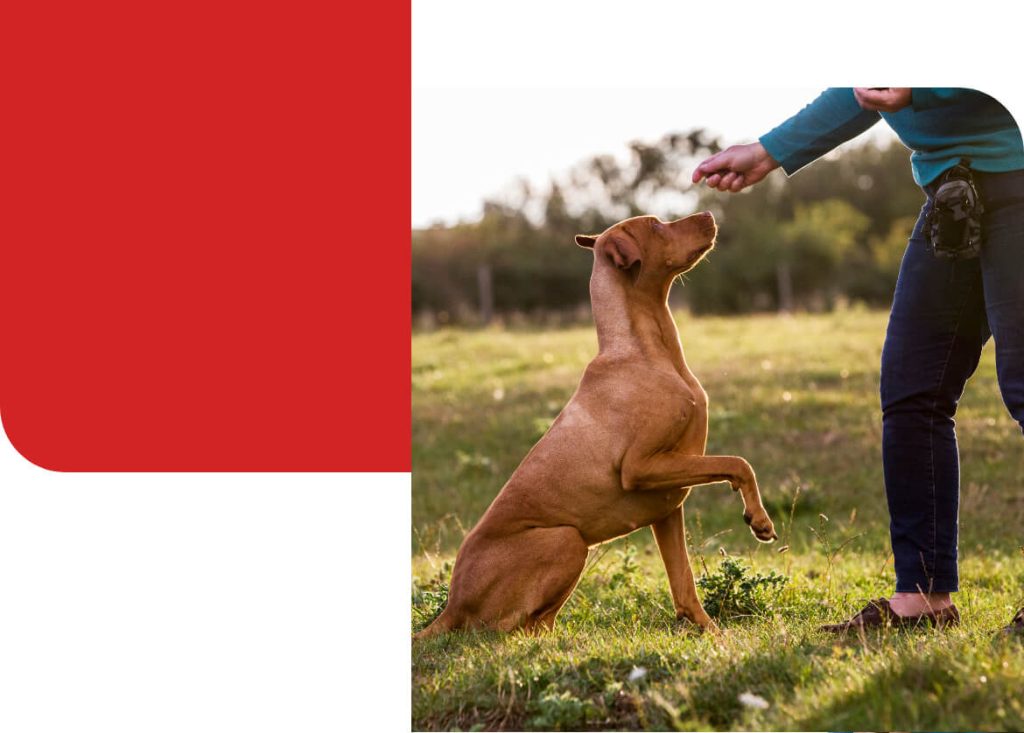
- Foundation of Obedience: Before diving into specialized training, it’s crucial to establish foundational obedience commands, such as “sit,” “stay,” and “come.” These basic commands set the groundwork for more complex training and ensure your dog understands your authority and intentions.
- Positive Reinforcement: Utilizing rewards such as treats, praise, or playtime when your dog exhibits desired behaviors accelerates their learning. This method not only helps in forming positive associations with commands but also strengthens the bond between you and your dog, fostering trust and cooperation.
- Socialization: Introducing your dog to various environments, people, and even other animals is vital. Early socialization helps to desensitize dogs to new stimuli, allowing them to distinguish between normal situations and potential threats, which is crucial during real-life scenarios.
Choosing the appropriate breed can significantly influence your training success. Some of the most popular guard dog breeds include:
- German Shepherds: Known for their intelligence and versatility, they excel in protection work and obedience.
- Rottweilers: With a strong build and confident demeanor, Rottweilers can be both companions and formidable protectors.
- Doberman Pinschers: Quick, agile, and highly trainable, Dobermans are excellent watchdogs that are known for their loyalty.
Although these breeds are commonly associated with guard duties, it is essential to understand that effective training techniques can also empower less traditional breeds. For example, Labrador Retrievers, typically seen as family pets, can also be trained to alert their owners to intruders when given proper guidance.
As we explore the various guard dog training techniques, it’s paramount to cultivate a balance: a dog that is both protective and obedient can create a secure yet harmonious home environment. By implementing proven strategies and dedicating time to the training process, you can ensure that your guard dog is ready to fulfill its protective role while integrating seamlessly into your family life, transforming the notion of security into a more approachable reality.
DIVE DEEPER: Click here to discover more
Essential Training Techniques for Guard Dogs
Training a guard dog is not solely about teaching commands; it involves an intricate blend of techniques tailored to develop an obedient, alert, and self-assured protector. The journey begins with establishing a solid foundation of trust and communication between you and your canine companion. A well-trained guard dog needs to be responsive to commands even in high-stress situations, making the initial stages of training crucial for success.
1. Establishing Authority
The cornerstone of effective guard dog training is the establishment of authority. Dogs are social creatures that thrive in structured environments. By consistently asserting your role as the leader, you encourage your dog to feel secure in their position as your protector. This can be achieved through assertive body language, clear vocal commands, and consistent discipline. Ensure your guard dog understands basic obedience commands, as these lay the groundwork for more advanced training techniques. Commands like “down,” “leave it,” and “watch” serve not only to reinforce your authority but also to reinforce your dog’s role within the household.
2. Discipline Through Consistency
With authority established, consistency becomes paramount. Training must be regular and predictable to reinforce learned behaviors and correct unwanted ones. A training schedule should encompass short, focused sessions that guide your dog through various scenarios they may encounter. Incorporating different environments during training sessions can be particularly beneficial; practicing commands in parks, around other dogs, and during different daily activities can help solidify their learned behaviors. For example, practicing “stay” when distractions arise, such as people passing by or other barking dogs, builds reliability in the presence of potential threats.
3. Behavioral Conditioning Techniques
Behavioral conditioning is another effective strategy in guard dog training. This involves associating certain actions with rewards, thereby encouraging your dog to adopt desirable behaviors. Using techniques such as clicker training can accelerate the learning process; the clicker serves as a marker for good behavior followed closely by a reward. To ensure your dog remains motivated, consider alternating rewards between treats, vocal praise, and playtime. A properly motivated dog is far more likely to engage and perform effectively during training sessions.
4. Engaging in Real-life Scenarios
Real-life simulations are essential for preparing your guard dog to react appropriately to actual threats. Enlisting help from a certified trainer experienced in protection work can provide guided scenarios where your dog learns to differentiate between normal occurrences and suspicious behavior. For instance, practice barking or alerting you to the presence of an unfamiliar person at your home. Over time, your dog will learn to assess situations critically, responding protectively only when necessary, thereby balancing their instinct with obedience.
In summary, effective guard dog training requires a multifaceted approach that encompasses authority, consistency, behavioral conditioning, and realistic practice scenarios. As the bond between you and your dog strengthens throughout the training process, so too will their confidence in their role as a protector and companion, ensuring a well-rounded guardian for your home and family.
| Training Strategy | Advantages |
|---|---|
| Positive Reinforcement | Enhances Learning and builds a trusting relationship between the dog and handler. |
| Early Socialization | Reduces Anxiety around strangers and promotes good behavior in public settings. |
| Controlled Exposure | Builds Confidence in dogs, helping them react positively to various situations. |
| Consistency in Commands | Facilitates Obedience and creates a clear framework for communication. |
The strategies mentioned above are fundamental to effective guard dog training. Utilizing positive reinforcement not only improves the learning experience for the dog but also fosters a strong bond with the handler. This bond is crucial for a well-trained guard dog that respects and listens to commands.Moreover, the significance of early socialization cannot be understated. By exposing dogs to various environments and people at a young age, handlers can mitigate fearful behaviors that might emerge later. This approach is vital for ensuring that a guard dog does not become overly aggressive or anxious.Additionally, through controlled exposure to different scenarios, dogs can develop the confidence that is essential for performing their duties effectively. These methods all rely heavily on the importance of consistency in commands. When handlers are consistent, dogs learn to understand expectations, leading to greater overall obedience and security effectiveness.Each strategy represents a piece of the puzzle, contributing to a comprehensive training regimen that emphasizes both security and obedience. By understanding and implementing these techniques, dog owners can unlock the full potential of their guard dogs, turning them into reliable protectors and companions.
DISOVER MORE: Click here for essential tips on your pet’s dental health
Advanced Techniques for Specialized Guard Dog Training
Once the foundational skills are established, advancing your guard dog’s training can further enhance their protective capabilities and overall obedience. Implementing specialized training techniques allows for an adaptive approach tailored to your dog’s unique strengths and the specific security needs of your environment. Beyond basic obedience and discipline, these techniques delve deeper into the dynamics of effective guard dog training.
1. Socialization with Purpose
Socialization is a critical component for any dog, but for guard dogs, it serves a dual purpose. Exposing your dog to various people, environments, and situations not only builds their confidence but also teaches them to differentiate between normal and threatening dynamics. Arranging controlled playdates with other well-mannered dogs can foster positive interaction. Importantly, it prepares your guard dog to remain calm and collected in what could be chaotic situations. Utilize local parks or community training classes where your dog can encounter diverse social stimuli, helping mitigate fear-based reactions to unfamiliar faces or distractions.
2. Targeted Agility Training
Agility training not only sharpens your dog’s physical skills but also hones their focus and mental sharpness. Integrating agility tasks, such as navigating through obstacle courses or performing jumps and tunnels, keeps your guard dog fit and responsive. The physical conditioning gained from these exercises enhances their capacity to react swiftly when needed while also boosting their confidence. Moreover, agility exercises can be seamlessly integrated into regular training routines to maintain engagement and prevent boredom. A mentally stimulated dog is less likely to develop behavioral issues, making agility a vital training aspect.
3. Scenario-Based Learning
Incorporating scenario-based learning is invaluable in preparing your guard dog for real-life situations. This approach means simulating various scenarios that your dog may face, such as an intruder attempting to enter your home or disturbances occurring in public spaces. Through a series of rehearsed drills, your dog learns to evaluate and respond appropriately to potential threats while remaining attentive to your commands. A professional trainer can orchestrate these simulations in a safe environment, ensuring that the experiences are both effective and controlled. This method not only teaches your dog the correct responses but also reinforces their decision-making skills.
4. Advanced Command Training
In the world of guard dogs, knowledge of advanced commands can make all the difference. Teaching specialized commands such as “attack,” “guard,” or “track” lays the groundwork for more dynamic protective behaviors. Using positive reinforcement techniques, gradually introduce these commands, ensuring that each training session is progressively challenging. For a balanced approach, combine these advanced commands with the core obedience commands learned earlier. This method solidifies the hierarchy of commands in your dog’s mind while refining their skills and response times. Implementing these specific commands enhances your dog’s capability to handle varying situations effectively.
5. Ongoing Training and Evaluation
Training is an ongoing process that requires commitment and diligence. Regularly evaluating your dog’s performance and areas for improvement is crucial. Engaging with professional trainers can provide insights into advanced techniques, assess progress, and refine training strategies. Keeping your guard dog training fresh and engaging also means introducing new challenges or experiences periodically. This continual development not only strengthens the skills they’ve acquired but also reinforces their loyalty and eagerness to protect.
Incorporating these advanced techniques into your guard dog training ensures a comprehensive approach, guiding your canine companion to their highest potential as a protector. Each method emphasizes the importance of trust, responsiveness, and the ability to discern between everyday situations and potential threats, crafting a well-rounded guardian ready for duty.
LEARN MORE: Click here for insights on pet nutrition
Conclusion
In today’s evolving security landscape, the importance of effective guard dog training cannot be understated. A well-trained guard dog serves as both a loyal companion and a formidable protector, with their skills honed through a blend of foundational obedience and advanced techniques. Socialization, agility training, scenario-based learning, and the mastery of advanced commands are all essential strategies that contribute to a guard dog’s performance and reliability. It is not merely about instilling obedience; it’s about creating a dynamic bond that enables clear communication between you and your canine partner.
Moreover, the commitment to ongoing evaluation and adaptation of training practices ensures that your dog remains engaged and effective in a variety of situations. As you embark on this rewarding journey, remember that consistency and patience are key components to success. Every dog is unique, and tailoring their training to align with their characteristics and the specific threats they may face will yield the best results.
In conclusion, comprehensive guard dog training combines both security measures and obedience techniques. By investing time in these training strategies, you not only enhance your dog’s capabilities but also foster a strong protective instinct rooted in trust. As you delve deeper into the world of guard dog training, consider exploring resources such as professional trainers, books, and training workshops to further enrich your knowledge. This will equip you with the tools necessary to raise a well-rounded guardian, vigilant and prepared to safeguard your home and loved ones.

Linda Carter
Linda Carter is a writer and pet care expert specializing in pet health, grooming, and wellness. With extensive experience helping pet owners create safe, loving, and enriching environments for their animals, Linda shares her knowledge on our platform. Her goal is to empower readers with practical advice and strategies to ensure their pets thrive and lead joyful, healthy lives.