
Agility Training for Dogs: Benefits and Methods for Beginners
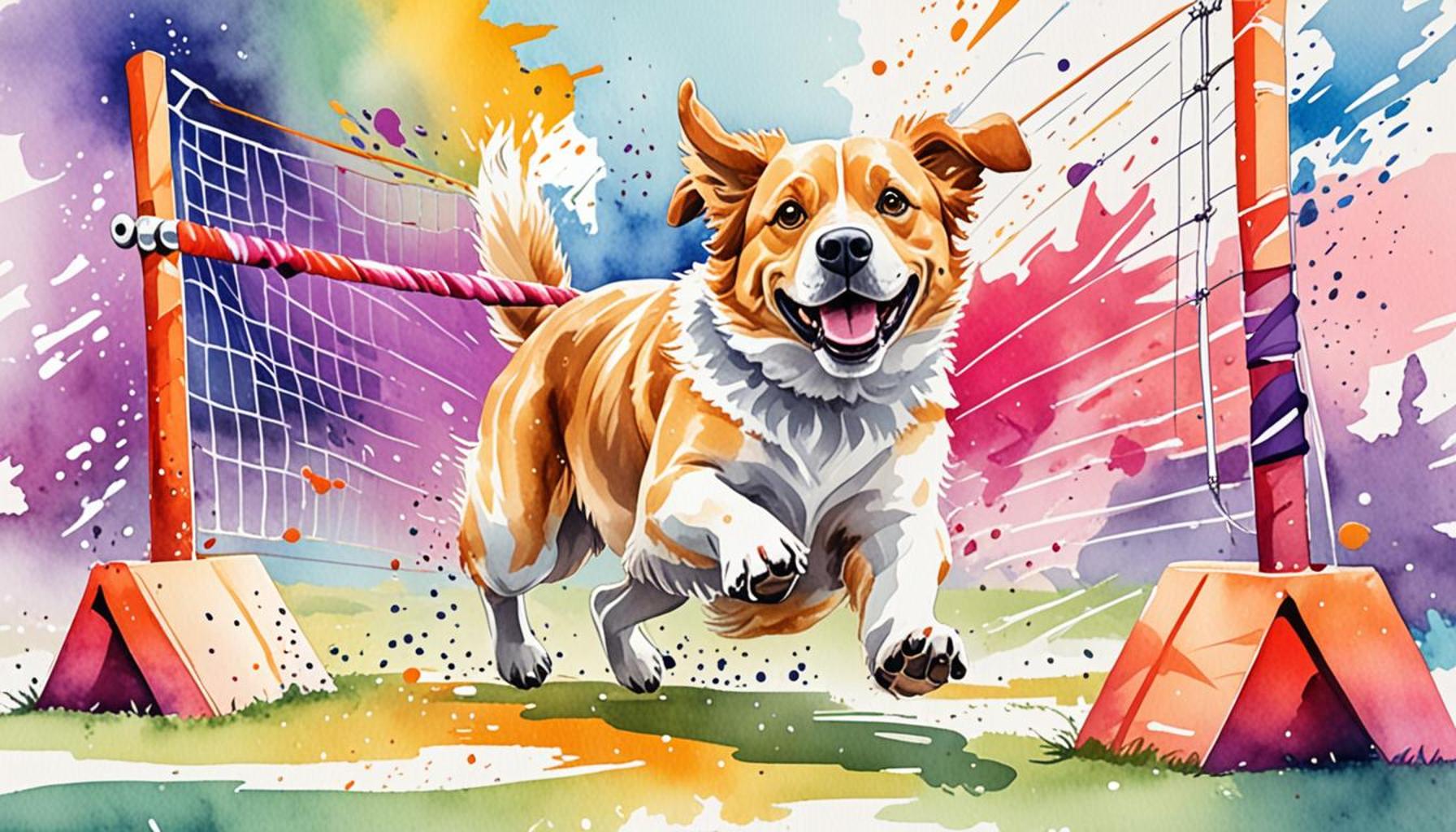
The Benefits of Agility Training
When considering activities to enrich your dog’s life, agility training stands out as an exhilarating option that creates unforgettable experiences for both owner and pet. This engaging discipline is not limited to competitive environments; it can also serve as a delightful form of exercise and mental engagement for your furry companion. For new pet owners, grasping the numerous advantages of agility training can truly transform the way they connect with their dog.
Why Consider Agility Training?
- Physical Exercise: Agility training ensures that dogs stay active. By executing a series of challenges, dogs engage in intense physical activity, which helps combat obesity—a significant health concern for many pets in the United States. According to the Association for Pet Obesity Prevention, about 56% of dogs in the country are classified as overweight or obese. Activities like agility help to burn off excess calories and maintain a healthy weight.
- Mental Stimulation: Dogs require more than just physical exertion; they thrive on mental challenges as well. Agility training fosters critical thinking skills as dogs learn to navigate obstacles such as weave poles and teeter-totters, effectively engaging their minds. This mental workout is essential in preventing boredom, which can lead to destructive behaviors at home.
- Improved Behavior: Through agility training, dogs not only become more physically fit but also exhibit improved behavior. The discipline learned during training can lead to reduced anxiety and hyperactivity. Engaging in structured activities helps dogs learn self-control and enhances their focus, translating into better manners both at home and in public settings.
Building a Strong Bond through Training
Agility training is much more than an entertaining hobby; it cultivates a profound partnership between you and your dog. It’s reminiscent of a dance where both participants must work in harmony. Suitable for dogs of all breeds and ages, agility training provides an inclusive platform for pet families to explore together. Getting started may seem daunting, but the journey can be rewarding.
Essential Techniques to Commence Agility Training
- Start with simple obstacles like tunnels and jumps, allowing your dog to acclimate to the equipment without feeling overwhelmed.
- Use positive reinforcement strategies, such as treats or verbal praise, to encourage your dog’s efforts as they learn new skills. This not only motivates them but builds trust between you two.
- Gradually increase the difficulty of courses as your dog gains confidence. Introduce new challenges slowly—such as adding more obstacles or increasing the height of jumps—to keep the training engaging and stimulating.
No matter if you aim to compete in local events or just enjoy quality time with your pet, agility training offers a plethora of benefits to enhance your dog’s quality of life. In the subsequent sections, we will explore specific advantages in greater detail, effective training techniques, and beginner tips to help you along this exciting journey together. Embracing agility training can lead not only to a healthier, happier dog but also to a stronger bond that lasts a lifetime.
DISCOVER MORE: Click here to learn about the benefits and challenges of keeping exotic pets
Getting Started with Agility Training
Embarking on an agility training journey with your dog can be an exhilarating experience, filled with moments of joy, laughter, and learning. However, for beginners, the thought of training may seem overwhelming. Understanding the fundamental aspects of agility training is crucial for making the most out of this stimulating process. With patience, persistence, and a few essential tips, you can help your dog not only learn new skills but also enjoy the challenges along the way.
The Right Equipment and Setup
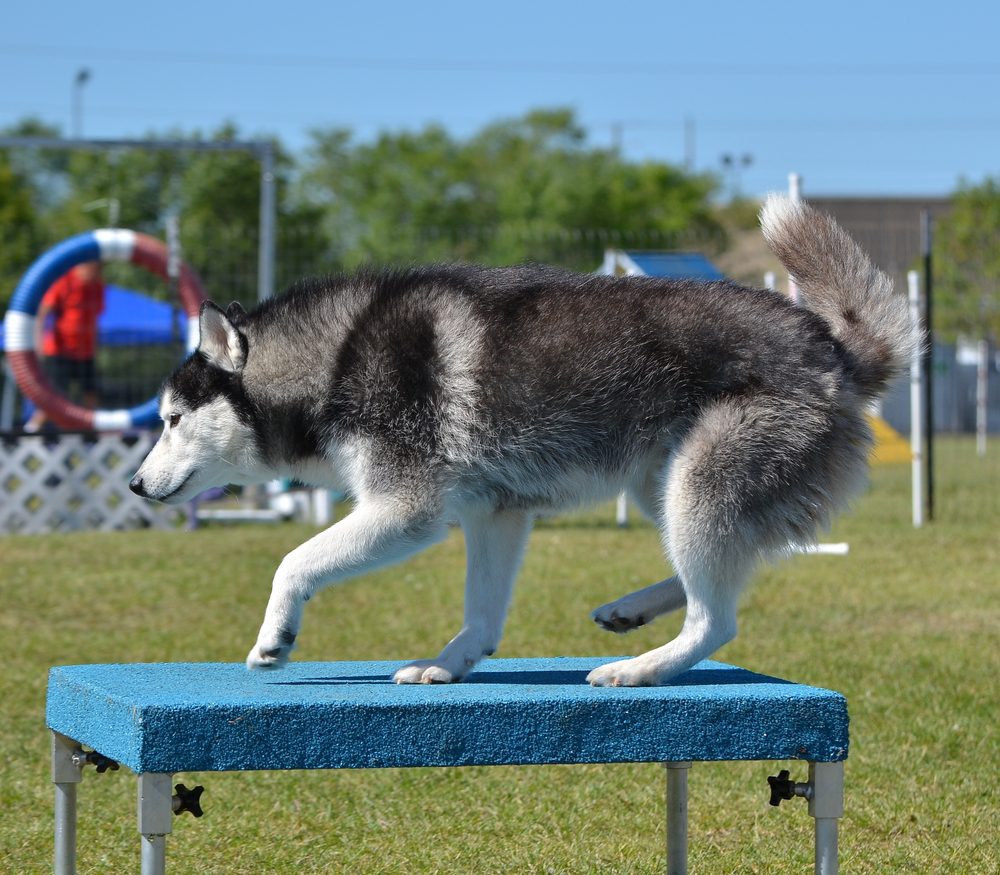
Before diving into training sessions, it’s important to familiarize yourself with the equipment used in agility training. While a professional agility course can be impressive, many essential obstacles can be created at home or found in local parks. Here are some basic pieces of agility equipment you can start with:
- Jumps: Simple hurdles made from PVC pipes or even broomsticks placed on sawhorses work wonders for starting jump training.
- Tunnels: A collapsible fabric tunnel allows your dog to run through and is an engaging way for them to build speed and confidence.
- Weave poles: You can create a set of weave poles using traffic cones or firmly embedded sticks, providing a fun challenge for your dog to zigzag through.
- Teeter-totters: A balanced board set on a pivot point acts as a teeter-totter, teaching your dog to conquer their apprehension of unstable surfaces.
Investing in these basic pieces does not have to break the bank. Many local pet stores and online sellers offer affordable starter kits designed specifically for beginners.
Establishing a Training Routine
Consistency is key when it comes to effective agility training. Establish a routine that allows your dog to engage in regular practice sessions, but keep them short enough to avoid fatigue and frustration. A good starting point is 15-30 minute sessions several times a week. During these sessions, focus on one or two skills to lay a solid foundation before introducing more complex tasks. Here are a few methods to keep in mind:
- Be Patient: Allow your dog time to learn at their own pace. Each dog is unique, and some may require more time to master certain obstacles than others.
- Use Positive Reinforcement: Whenever your dog successfully completes an obstacle, reward them with treats or verbal praise. This positive reinforcement helps your dog associate training with joy and encourages them to repeat the behaviors you wish to cultivate.
- Mix It Up: Keep training sessions interesting and dynamic by rotating obstacles and introducing parallel challenges to maintain your dog’s enthusiasm.
Agility training is a valuable investment in your dog’s mental and physical health, and it provides an excellent opportunity to strengthen your bond. As you cultivate the foundational elements of agility training, both you and your dog will be empowered to tackle more advanced courses with confidence and excitement. With time, practice, and a supportive atmosphere, you’ll discover an enriching path filled with growth and adventure together.
Agility Training for Dogs: Benefits and Methods for Beginners
Understanding Agility Training
Agility training is an exciting and challenging way to enhance your dog’s physical and mental abilities. It involves guiding your dog through various obstacle courses, which not only promotes fitness but also sharpens their obedience and focus. Here, we will explore the advantages of agility training and introduce effective methods that beginners can implement.
Advantages of Agility Training
| Advantage | Description |
|---|---|
| Improved Physical Health | Agility training provides a comprehensive workout that enhances strength, endurance, and flexibility. |
| Mental Stimulation | Navigating courses requires focus and problem-solving skills, making it a great way to prevent boredom. |
| Strengthened Bond | Working together on agility tasks can enhance communication and trust between you and your dog. |
| Social Opportunities | Agility classes and competitions provide a chance to meet other dog owners and engage with the community. |
Getting Started with Agility Training
As a beginner, it’s helpful to start with simple obstacles like jumps and tunnels using basic materials available at pet stores or even homemade options. Positive reinforcement, such as treats and praise, encourages your dog and fosters a fun learning environment.
The journey into agility training isn’t just about competition; it’s about creating a fulfilling activity that engages both you and your furry companion. Each session can deepen your understanding of your dog’s abilities while promoting a healthier and happier lifestyle.
For more detailed methods and tips on agility training for dogs, stay on our page as we dive deeper into specific techniques designed for beginners.
DON’T MISS OUT: Click here to discover effective training techniques
Understanding the Benefits of Agility Training
Engaging in agility training provides an array of advantages for both dogs and their owners. As a unique mix of physical exercise and mental stimulation, agility training fosters a deeper connection between you and your pet while promoting their overall well-being.
Physical Fitness and Coordination
One of the most visible benefits of agility training is the improvement in your dog’s physical fitness. The various obstacles and challenges involved in agility keep dogs moving, which enhances their strength, endurance, and flexibility. Not only does agility work different muscle groups, but it also encourages cardiovascular health, helping to combat obesity in dogs—a prevalent issue in the United States. In fact, the Association for Pet Obesity Prevention reported that over 50% of pet dogs are overweight or obese, leading to serious health problems such as diabetes and joint issues. By incorporating agility training into your dog’s routine, you can significantly contribute to their physical health.
Mental Stimulation and Focus
Apart from the physical benefits, agility training also provides essential mental stimulation. Dogs naturally thrive on challenges, and agility courses stimulate them to think critically as they navigate various obstacles. This type of training requires focus and concentration, helping to improve your dog’s overall behavior and responsiveness. In studies, properly engaged and mentally stimulated dogs tend to display fewer behavioral problems such as excessive barking or destructive chewing. Moreover, the training helps establish clear communication between you and your dog, reinforcing trust and respect.
Building Confidence and Reducing Anxiety
For many dogs, especially those that are shy or timid, agility training can serve as a powerful tool for boosting confidence. Successfully completing obstacles provides a sense of achievement that translates into increased self-assuredness. This newfound confidence helps dogs face other challenges in their environment, reducing fear and anxiety that may result from unfamiliar situations. In fact, a study conducted by the American Kennel Club found that dogs who engage in training and socialization activities tend to adapt better to changes in their surroundings. This is particularly beneficial for dogs that may struggle with separation anxiety or fear of unfamiliar stimuli.
Strengthening the Human-Animal Bond
Last but not least, agility training allows you to cultivate a stronger bond with your dog. Spending quality time together, solving puzzles, and celebrating achievements fosters a unique partnership, enhancing the relationship you share. The trust built during this process translates to better communication in everyday scenarios and leads to a more harmonious living arrangement. As a practical example, dogs that engage in agility training often display improved behavior during walks, as they have learned to listen and respond to commands effectively.
As you progress through the various stages of agility training, you will encounter a multitude of benefits that extend beyond the course itself. Whether your goal is to compete or simply enjoy the experience, agility training offers a fulfilling journey of growth, connection, and accomplishment for both you and your beloved dog.
DON’T MISS: Click here for essential tips
Conclusion: A Journey of Growth and Connection
In summary, agility training for dogs is not just a sport; it’s a comprehensive approach that nurtures a dog’s physical, mental, and emotional health. By engaging in this stimulating activity, both you and your dog will reap remarkable rewards in various aspects of your lives. The physical benefits are evident as agility training promotes fitness, helping to tackle issues like obesity while enhancing strength and endurance.
Moreover, the mental challenges posed by agility courses sharpen your dog’s focus and intelligence, leading to better behavior and responsiveness. By addressing behavioral concerns, you can create a happier home environment. The emotional benefits are equally significant; boosting your dog’s confidence can mitigate anxiety and fear, particularly in timid or reactive dogs, enhancing their adaptability to new situations.
Finally, agility training fosters a unique bond between you and your dog, built on trust and teamwork. The time spent on the agility course translating into a more harmonious home life highlights the importance of this activity in deepening your connection.
Whether you are a novice starting out or considering agility training as a competitive venture, the journey is filled with opportunities for growth, learning, and celebration. As you navigate through this enriching experience, you will uncover the profound impacts of agility training that extend well beyond physical activity. Embrace the adventure, invest in your dog’s well-being, and enjoy the remarkable partnership that unfolds.

Linda Carter
Linda Carter is a writer and pet care expert specializing in pet health, grooming, and wellness. With extensive experience helping pet owners create safe, loving, and enriching environments for their animals, Linda shares her knowledge on our platform. Her goal is to empower readers with practical advice and strategies to ensure their pets thrive and lead joyful, healthy lives.