Training Techniques Based on Natural Rewards: Connecting with Your Pet in a Healthy Way
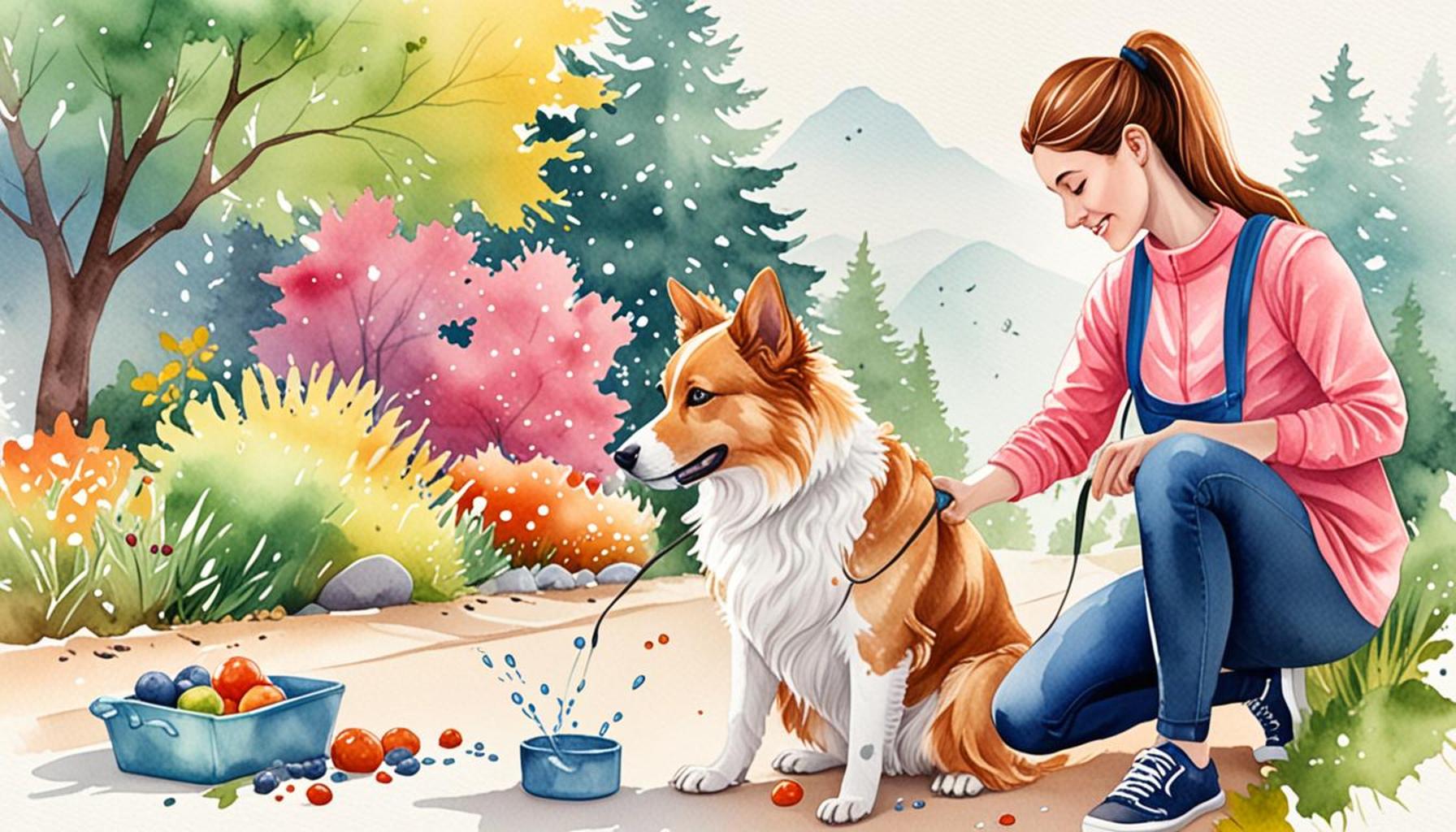
Understanding Natural Rewards in Pet Training
Pets, much like humans, thrive on positive reinforcement. This training philosophy centers around the use of natural rewards, which aligns with the instinctual preferences and natural behaviors of your animal companion. Natural rewards could be anything from treats and praise to engaging them in play or providing freedom to explore their surroundings. When pets receive these rewards, it not only makes learning enjoyable but encourages them to repeat the desired behaviors.
The Science Behind Natural Rewards
Research in animal behavior has shown that positive reinforcement is one of the most effective methods in training pets. For instance, when a dog performs a trick and is immediately rewarded with a tasty treat or verbal praise, the dog forms a mental connection between the action and the reward. This makes it more likely to repeat that behavior in the future. In contrast, punitive training strategies, such as yelling at a pet for misbehavior, can instill fear, hinder trust, and obstruct effective communication. Therefore, focusing on natural, instinctive rewards is crucial.
Enhancing Pet Behavior
Utilizing natural rewards can lead to improved behavior in pets. Dogs that receive rewards for sitting or staying are more likely to repeat these actions when they know a treat or praise is on the horizon. Similarly, a cat trained to use a litter box properly might be more likely to do so consistently if rewarded with gentle strokes or a favorite toy afterward. Such strategies not only curb undesirable behaviors like jumping on furniture or refusing to use the litter box but also enhance overall compliance.
Building Stronger Connections
Another remarkable benefit of training with natural rewards is the potential to foster stronger connections between pet and owner. The act of rewarding a pet creates shared moments of joy, leading to a trusting relationship. You may find that your dog starts seeking your approval before taking action or that your cat eagerly approaches you for interaction. As these connections deepen, communication improves, allowing for a more harmonious coexistence.
Health Benefits of Positive Training
Moreover, healthier training methods using natural rewards promote well-being in pets. By avoiding harsh methods, you reduce stress and anxiety levels in your animal companion. Engaging in positive reinforcement can be a fulfilling experience, transforming training sessions into fun bonding activities. For instance, incorporating physical exercise with commands or tricks encourages both mental and physical stimulation, which can contribute to overall health.
Practical Examples of Natural Rewards
To illustrate, consider clicker training—a widely recognized method that utilizes a click sound to signify a successful behavior, followed by a natural reward. Trainers might pair the click with treats, effectively creating a strong association in the pet’s mind. Another example is letting a dog sniff around during a walk, rewarding them simply by allowing exploration. These activities engage their natural instincts and serve as rewards in themselves.
As we continue to explore the vast landscape of training based on natural rewards, you will uncover various practical methods and expert insights. Each of these approaches has the potential not just to transform your pet’s behavior but also to enrich your overall relationship. The goal is to create an atmosphere of mutual respect and understanding, ultimately leading to a more fulfilling companionship.
DIVE DEEPER: Click here to discover the latest trends
Exploring Different Training Techniques Using Natural Rewards
As pet owners look for effective ways to train their furry friends, understanding the various techniques based on natural rewards leads to innovative and accessible methods that can be adapted for any pet. These techniques revolve around leveraging intrinsic motivations—behaviors that come naturally to animals. By tapping into these instincts, owners can enrich the training process while reinforcing their bond with their pets. Here’s a closer look at some popular methods that can transform the way you connect with your pet:
1. Clicker Training
Clicker training is a favored technique among trainers and pet owners alike, notably for its clear and communicative approach. This method utilizes a simple handheld device that produces a clicking sound when your pet performs a desired behavior. The sound acts as a marker that immediately signals to the animal that they have done well, followed by a natural reward such as a treat or a favorite toy. Research suggests that the clarity provided by the click can significantly enhance learning speed and accuracy. Owners often find that their pets respond enthusiastically as they associate the sound with positive outcomes.
2. Treat-Based Training
Another common, yet effective, technique is treat-based training. This approach relies on using high-value treats that your pet loves, making it crucial to select rewards that resonate with their preferences. For example, if your dog adores peanut butter, using it as a reward for good behavior can lead to increased motivation. Furthermore, varying the treats can keep your pet’s interest piqued, encouraging them to engage in training sessions with excitement.
3. Play as a Reward
Using play as a reward taps into the natural instincts of pets. For dogs, engaging in a game of fetch or tug-of-war after they follow a command creates a highly enjoyable scenario that strengthens your bond. Cats can also benefit from this method, as playing with a wand toy or laser pointer can serve as an effective reward when they demonstrate desired behaviors, such as using the scratching post instead of the sofa. This playful approach not only reinforces good habits but also promotes an active lifestyle for your pet.
4. Environmental Enrichment
Incorporating elements of environmental enrichment into training can also utilize natural rewards. Allowing pets to explore new surroundings, providing them with intriguing scents during walks, or introducing new challenges can engage their curiosity and cravings for exploration. Pets often thrive when their innate instincts are acknowledged, promoting cognitive stimulation and emotional well-being.
5. Social Interaction
Finally, leveraging social interaction as a reward can bolster training efforts. Pets, particularly dogs, are social creatures that crave attention and affection from their owners. When a dog understands that following a command results in praise, petting, or a moment of focused attention, they are more likely to replicate that behavior. This mutual exchange not only cultivates affection but enriches the relationship dynamic between pet and owner, creating a positive training atmosphere.
These training techniques based on natural rewards not only help shape behavior but also lead to meaningful engagement with your pet. By understanding these methods, you can create fun and rewarding experiences that benefit both you and your furry friend.
| Advantages | Impact |
|---|---|
| Strengthens Bond | Using natural rewards enhances the trust and affection between pet and owner. |
| Positive Reinforcement | Fosters a happy learning environment that encourages desired behaviors. |
| Improved Communication | Helps in understanding cues and signals between pets and their owners. |
| Long-term Behavior Change | Leads to lasting, more natural behavioral adjustments. |
These training techniques emphasize the significance of understanding your pet’s natural instincts while using rewards that resonate with their behaviors. Natural rewards, such as verbal praise or playtime, create an engaging atmosphere where pets feel motivated to learn and improve. This connection not only enhances the training experience but also promotes overall emotional health in your pet. The result is a relationship founded on respect and appreciation, quickly realizing the benefits of healthy training methods. By adopting these practices, you’re not just training your pet; you’re fostering a supportive partnership that stands the test of time.
DISCOVER MORE: Click here to learn about your pet’s dietary needs
Building a Lasting Connection Through Training
The reliance on training techniques based on natural rewards offers more than just behavioral corrections; they pave the way for a deeply rooted relationship between pet and owner. By understanding the unique motivations of your pet, you can create an enriching environment that fosters trust and companionship. Here are additional methods and insights that can enhance your training experience:
6. Scent Work
Utilizing scent work as a training tool plays to your pet’s natural abilities. Dogs, in particular, have an incredible sense of smell, which can be harnessed for training exercises. Setting up scent detection games—such as hiding treats around the house or the yard—challenges their instincts while keeping them engaged. Not only does this technique stimulate their mental faculties, but it also creates a rewarding experience, as they successfully find the hidden treasures. Encouraging your pet to follow a trail of scents not only strengthens their hunting instincts but also provides an excellent outlet for physical exercise.
7. Real-Life Situations
Incorporating real-life scenarios into training is another effective method that allows pets to learn in contexts they will encounter regularly. For example, asking your dog to sit and stay while waiting at the door or during a busy trip to the local café teaches them valuable life skills. By rewarding them for their good behavior in these situations with praise or their favorite toy, you reinforce their understanding of commands in practical settings rather than isolated training sessions. This approach not only aids in behavior modification but also encourages your pet to remain calm and well-behaved in various environments.
8. Consistency is Key
While using natural rewards is essential, consistency in training is equally crucial. This consistency not only refers to the rewards given but also the commands used and the training schedule. Establishing a routine allows your pet to anticipate training sessions and understand what is expected of them. For example, using the same verbal cues in similar situations helps to solidify their understanding. The ongoing execution of consistent messages along with reinforcing rewards creates a harmonized learning atmosphere where pets feel secure and are more likely to succeed.
9. Patience and Observation
A notable aspect of training based on natural rewards is the importance of patience and observation. Pets may not always respond as quickly as we would like, and every animal learns at their own pace. Paying attention to their reactions and body language can help in adjusting training approaches to better suit their needs. A sudden disinterest in a reward could indicate that their motivations have changed or that they might need a new challenge. Staying attuned to these subtle cues fosters an environment of understanding, paving the way for more effective communication.
10. Involving the Family
Lastly, involving the entire family in the training process can amplify results. A team-oriented approach ensures all members are on the same page regarding commands, rewards, and expectations. This method not only reinforces the training but also enhances the support system for the pet, making the home a more structured environment. Moreover, it allows pets to bond with each family member, enriching the social aspect of their lives while providing diversity in training techniques.
By exploring these varied methods and strategies, pet owners can discover innovative and fulfilling approaches to training. Utilizing natural rewards can lead to a foundation of trust and respect, ultimately enhancing the lifelong bond with their beloved companions.
DISCOVER MORE: Click here to delve deeper
Conclusion: Embracing Natural Rewards for a Stronger Bond
In summary, training techniques based on natural rewards not only improve your pet’s behavior but also provide a vital opportunity to deepen your relationship with them. By engaging in activities like scent work, incorporating real-life scenarios, and maintaining consistency in commands, owners can create a nurturing atmosphere that fosters trust and mutual respect. These methods promote not just compliance but understanding, enabling pets to thrive in various environments while feeling secure.
Additionally, embracing patience and observation underscores the importance of allowing pets to learn at their own pace, which is crucial for effective communication. As pets often respond best when they feel understood, this thoughtful approach helps them navigate challenges and grow. Moreover, involving your entire family in the training process not only reinforces learnings but also enriches your pet’s socialization, creating a well-rounded experience for them that echoes throughout your household.
Ultimately, adopting a holistic perspective on pet training rooted in natural rewards can transform interactions into rewarding opportunities for both you and your pet. As a loving owner, it’s essential to continuously explore new techniques and adapt them to your pet’s evolving needs. By doing so, you will not only witness improvements in their behavior but also enjoy an enduring bond that enhances your shared journey. Take the time to discover effective training strategies, and watch how they lead to a healthier, happier connection with your beloved companion.

Linda Carter
Linda Carter is a writer and pet care expert specializing in pet health, grooming, and wellness. With extensive experience helping pet owners create safe, loving, and enriching environments for their animals, Linda shares her knowledge on our platform. Her goal is to empower readers with practical advice and strategies to ensure their pets thrive and lead joyful, healthy lives.