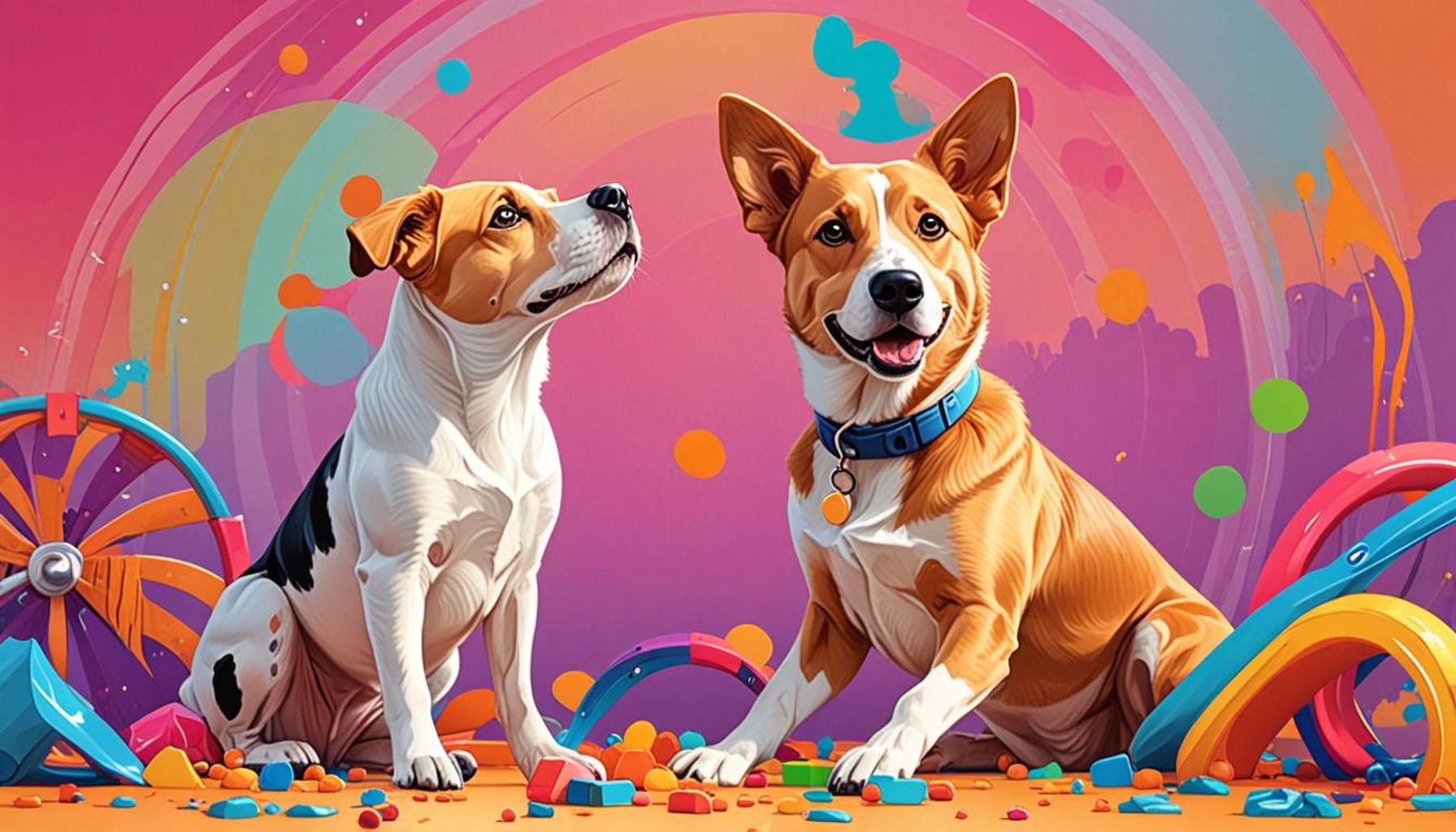
Game-Based Training Methods: Learning Playfully with Your Pet
Engaging Your Pet Through Playful Learning
Imagine transforming your training sessions with your pet into a fun-filled, engaging experience. Game-based training methods are revolutionizing how pet owners approach learning, turning routine obedience into interactive playtime. These creative techniques not only make learning enjoyable for dogs and cats but also foster a deeper connection between pets and their owners.
One of the standout features of game-based training is its focus on positive reinforcement. Instead of being confined to a simple “sit” or “stay,” training becomes a multifaceted experience. For instance, using a game of fetch to teach the command “come” can captivate a dog’s attention far more effectively than traditional methods. As your pet leaps to capture the ball, you’re able to gauge their understanding through their playful maneuvers, enhancing your bond in the process.
Here are some key benefits of incorporating game-based training into your routine:
- Enhanced Communication: Games improve your understanding of your pet’s behavior. By observing their reactions during play, you can learn what excites, motivates, or discourages them, allowing for more profound communication.
- Increased Engagement: Pets are more likely to participate when learning feels like play. This is particularly true for energetic breeds like Border Collies or Australian Shepherds, which thrive on high-energy interactions.
- Effective Learning: Game formats can facilitate quicker mastery of commands and tricks. Studies have shown that dogs playing interactive games can retain commands better than those trained through conventional methods, as the playful environment reduces anxiety and boosts enthusiasm.
Game-based training is particularly effective for energetic breeds that thrive on mental stimulation and interaction. Activities like agility courses or puzzle toys can stimulate not only physical attributes but also cognitive skills. For example, agility training can be a fantastic way for dogs like Labrador Retrievers to burn energy while also learning focus and precision. Cats, too, can benefit from game-based training through toys that mimic prey movements to engage their natural hunting instincts.
As a pet owner in the United States, leveraging these innovative techniques can lead to a happier, more well-adjusted pet. Local dog parks often host training events where game-based methods are showcased, providing an excellent opportunity for socialization and learning. Engaging with a community of like-minded pet enthusiasts can also offer fresh ideas on incorporating play into training.
Ready to embark on this playful journey? Dive deeper into the world of game-based training methods and discover how you can learn while having fun with your furry friend. Explore resources, training workshops, and books available online to refine your approach, making every training session an adventure worth sharing with the world.
DON’T MISS: Click here for tips on keeping your pet comfortable during moves
Discovering Interactive Learning Dynamics
Game-based training methods contribute significantly by creating a bond between pet owners and their furry companions, making learning both enjoyable and effective. At the heart of these methods lies the principle of positive reinforcement, where successful behaviors are rewarded rather than punished. This approach helps build trust and reduces anxiety, allowing pets to flourish in a nurturing environment.
To effectively implement game-based training, one must consider a variety of games tailored to different skill levels and temperaments. For instance, dogs that exhibit high energy levels can benefit immensely from games like Chase the Tail or Treasure Hunt. In a Treasure Hunt, delicious treats or favorite toys are hidden around the house or yard, and your dog can use their sense of smell to locate them. Not only does this provide physical exercise, but it also encourages problem-solving and reinforces their obedience commands.
Cats, while often perceived as less trainable than dogs, also enjoy engaging in game-based training. Activities such as Laser Pointer Pursuit or interactive toy puzzles can stimulate their minds and instincts. A simple game with a feather wand not only entertains but also develops their agility and coordination, reinforcing fundamental commands like “wait” and “go.”
- Tailored Activities: Different animals respond uniquely to various stimuli. Understanding the preferences and motivations of your pet can guide your selection of games to ensure enjoyment and engagement.
- Short Sessions: Keeping training sessions brief—around 5 to 10 minutes—helps maintain focus and prevents frustration, allowing pets to absorb information in bite-sized chunks.
- Variety is Key: Rotating games keeps learning fresh and stimulates curiosity, ensuring that pets remain excited about their training routine.
As you delve into game-based training, it’s essential to recognize the importance of adapting these games to the individual traits of your pet. By taking advantage of your pet’s natural instincts, such as a dog’s retrieval or a cat’s hunting instincts, you empower them to engage on a deeper level.
Moreover, community resources abound for those looking to expand their knowledge on game-based training. Many local veterinary clinics, pet stores, and training centers host workshops or demonstrations, showcasing various techniques and fostering a user-friendly environment for learning. Engaging with fellow pet owners can not only enhance your skills but also introduce new ideas and methods to incorporate into your routine.
Ultimately, game-based training creates an enriching experience that extends beyond the immediate benefits of obedience. It fosters a unique bond between pet and owner, laying the groundwork for a lifelong partnership rooted in trust, joy, and shared adventures.
| Advantage | Description |
|---|---|
| Enhances Bonding | Through interactive play, pets develop a deeper connection with their owners, promoting trust and companionship. |
| Increases Engagement | Game-based training methods keep pets mentally stimulated, making learning enjoyable and preventing boredom. |
| Promotes Physical Activity | Incorporating games encourages pets to exercise, which is essential for their health and well-being. |
| Improves Training Retention | Pets tend to remember skills better when learned through fun, reinforcing positive behaviors over time. |
Game-based training methods provide a playful approach to pet learning that fosters not only skill development but also enhances emotional connections. By integrating structured games into training routines, you can transform ordinary lessons into engaging experiences that your pet eagerly anticipates. This dynamic method benefits both the pet and the owner, creating an environment where learning feels less like a chore and more like a joyful interaction. Moreover, the physical activity involved in these games promotes better health outcomes, making it a holistic approach to training.As you explore more about game-based training, consider how implementing various playful techniques could make a difference in your pet’s life and your relationship with them. Learning doesn’t have to be serious; keeping it playful encourages better results and stronger connections.
DISCOVER MORE: Click here to learn about the significance of a balanced diet for your pet’s health
Enhancing Skills through Playful Engagement
In addition to building bonds, game-based training methods also serve as effective tools for enhancing specific skills and addressing behavioral issues. Engaging your pet in playful activities can create opportunities for challenges that promote intelligence and agility. For instance, consider using agility equipment designed for home use, such as tunnels and jumps. Training your dog to navigate through these structures not only provides physical stimulation but also improves their focus and coordination.
Furthermore, structured games can help manage common behavioral issues. Dogs that exhibit excessive barking can benefit from games that redirect their attention. For example, playing a game of Hide and Seek encourages your dog to stay focused on you while searching for you instead of barking at passersby. Similarly, cats that display destructive behavior can be engaged through interactive toys that require them to strategize and think critically, keeping them occupied and away from household objects.
- Clicker Training: Incorporating a clicker during play can enhance communication between you and your pet. When they perform a desired action, a click sound followed by a treat reinforces the behavior, making it clear to them what they did right.
- Training with Distractions: Introducing distractions during training games simulates real-world environments. This exposure helps pets learn to maintain focus on commands while being influenced by external stimuli, like other pets or noises, ultimately leading to better obedience.
Additionally, leveraging technology can further enrich game-based training methods. Various mobile applications are available specifically designed for pet training, offering gamified experiences that can track your pet’s progress. These apps often include features such as virtual agility courses or challenges that adapt to your pet’s skill level, providing a modern twist to traditional training methods.
Moreover, incorporating social interactions into training can amplify its effectiveness. Group training sessions, whether in-person at local parks or virtually through online platforms, allow pets to learn from each other and adapt to new environments. Observing other animals provides them with natural behavioral cues, and interacting with peers encourages sociability—a crucial factor for many pets, especially those prone to anxiety.
It’s also worth noting the mental health benefits associated with game-based training methods. Engaging pets in playful activities promotes mental stimulation, reducing the chances of depression and anxiety logs commonly seen in pets due to boredom. In fact, according to the American Kennel Club, regular mental and physical activity in dogs can lead to better overall well-being, with fewer behavioral issues stemming from pent-up energy.
In conclusion, integrating game-based training methods serves not only as a fantastic bonding experience but also as an effective strategy for skill enhancement and behavioral management. Embracing the concept of playful learning transforms the way pet owners approach training, making it a fun and rewarding endeavor for both pet and owner alike.
DISCOVER MORE: Click here to learn about effective training methods
Conclusion: Making Training Enjoyable and Effective
In a world where pet ownership continues to grow, the importance of effective training methods cannot be overstated. Game-based training methods offer a unique opportunity to enhance the training experience for both pets and their owners, transforming what can often be a tedious process into a fun and engaging journey. By integrating play into training sessions, pet owners can improve their animals’ skills, address behavioral issues, and strengthen the bond between them, ensuring a happier, healthier pet.
The versatility of game-based training expands far beyond basic obedience skills. As we’ve explored, innovative approaches such as agility courses, interactive toys, and technology-driven applications provide a wealth of choices tailored to diverse learning styles and pet behaviors. This dynamic learning environment not only keeps pets physically active but also mentally stimulated, significantly reducing common issues like anxiety and boredom.
Moreover, the social aspects of training enhance pet interactions and encourage positive behaviors through peer learning. Whether in local parks or through online platforms, pets benefit from observing others, leading to greater socialization and adaptability in various environments.
Ultimately, embracing game-based training methods is not just about teaching commands—it’s about enriching the lives of our pets while deepening our relationships with them. As pet owners, investing time in these enjoyable training techniques ensures a well-adjusted companion and fosters a spirit of joy and collaboration. So why not transform your next training session into an exciting game that both you and your pet will love?

Linda Carter
Linda Carter is a writer and pet care expert specializing in pet health, grooming, and wellness. With extensive experience helping pet owners create safe, loving, and enriching environments for their animals, Linda shares her knowledge on our platform. Her goal is to empower readers with practical advice and strategies to ensure their pets thrive and lead joyful, healthy lives.