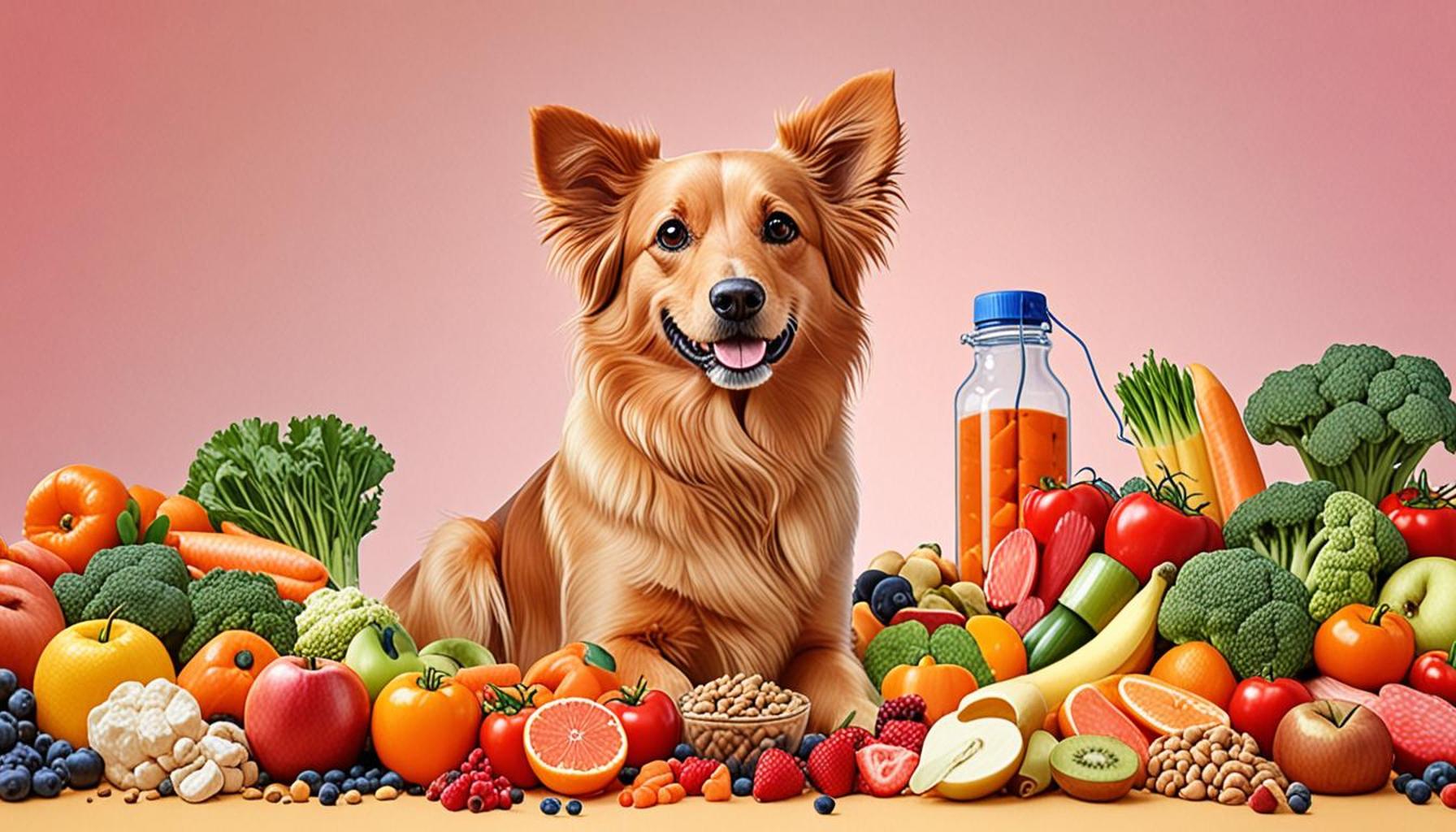
Homemade Food for Pets: Advantages, Disadvantages, and Practical Recipes

Exploring the World of Homemade Pet Food
As pet owners become increasingly conscientious about their furry friends’ diets, homemade food for pets is gaining popularity. Beyond the occasional treat, many are considering regular homemade meals to enhance their pets’ health and well-being. However, before diving into this culinary adventure, it’s essential to weigh both the advantages and disadvantages.
One of the most significant advantages of homemade pet food is the control over ingredients. You choose what goes into your pet’s meals, which means that harmful fillers or unidentified “meat by-products” that often appear in commercial pet foods can be avoided. This is particularly crucial for pets with food allergies or sensitivities, as owners can tailor ingredients to their individual needs. For instance, if a dog is allergic to chicken, an owner can easily substitute turkey or fish in a homemade recipe.
Customization is another compelling reason to consider homemade pet food. Every pet is unique, and their dietary requirements may vary based on their age, activity level, and health conditions. For example, older pets may benefit from meals enriched with Omega-3 fatty acids for joint health, while a high-energy puppy could thrive on a protein-dense blend. By whipping up meals from scratch, owners can create recipes that fit their pets’ specific nutritional needs, ensuring they receive optimal nourishment.
Moreover, homemade meals usually incorporate freshness and high-quality ingredients. Unlike many commercial pet foods that may be sitting on shelves for extended periods, home-cooked meals can be prepared with farm-fresh vegetables, lean meats, and wholesome grains, free from artificial preservatives. Fresh produce not only enhances flavor but can also have significant health benefits, such as the antioxidants found in carrots or spinach, which may contribute to a bolstered immune system.
However, there are also some important considerations when transitioning to homemade pet food. Maintaining a nutritional balance can be challenging. Pets require a variety of nutrients, including proteins, carbohydrates, fats, vitamins, and minerals in the right ratios for their optimal health. A poorly balanced diet can result in deficiencies or excesses that could harm your pet’s well-being. Consulting a veterinarian or pet nutritionist before making changes will help ensure nutritional adequacy.
Additionally, the process of preparing homemade meals can be time-consuming. Unlike grabbing a bag of kibble, making pet food from scratch involves meal planning, shopping for ingredients, and actual cooking time. Depending on your schedule, this could lead to compromises in the consistency of feeding your pet properly each day. Moreover, cost can be a substantial factor as well. High-quality ingredients can add up quickly, potentially making homemade options more expensive than convenient store-bought alternatives.
In this article, we will explore various homemade pet food recipes while delving into their pros and cons. Join us to uncover the possibilities of creating homemade meals that keep your pet healthy and happy! With a little planning and dedication, you might find that the benefits far outweigh the challenges, leading to a more fulfilling diet for your furry companion.
DON’T MISS: Click here for essential tips on keeping your pet’s teeth healthy
Understanding the Nutritive Needs of Pets
Before embarking on the journey of creating homemade food for your pets, it’s essential to acknowledge their individual nutritional needs. Pets, much like humans, have unique dietary requirements based on factors such as their species, breed, age, and any pre-existing health conditions. Understanding these needs is crucial to crafting balanced meals that promote optimal health.
For dogs, the basics typically include:
- Proteins: Vital for muscle development and energy.
- Carbohydrates: Offer energy and promote good digestive health.
- Fats: Essential for skin health, nutrient absorption, and energy.
- Vitamins and Minerals: Crucial for overall bodily functions and immunity.
Similarly, cats require a high-protein diet, as they are obligate carnivores who thrive on animal-based proteins. It is also critical for them to have adequate taurine, an essential amino acid found in meat, which supports heart and eye health. Customizing your pet’s diet can address these needs more accurately than many commercially prepared foods, where the nutritional content often varies widely.
In the world of homemade pet food, meat, vegetables, and grains offer a great starting point. However, it’s crucial to incorporate a variety of ingredients to ensure that the meals provide comprehensive nutrition. Here’s a list of potential ingredients suitable for a well-rounded homemade pet meal:
- Lean Meats: Chicken, turkey, beef, and fish can serve as primary protein sources.
- Vegetables: Carrots, peas, and spinach are not only safe but also nutritious for pets.
- Whole Grains: Brown rice and quinoa can be good carbohydrate sources.
- Healthy Fats: Fish oil or flaxseed oil can enhance coat health and provide essential fatty acids.
While acknowledging the benefits of homemade pet food, potential pitfalls must be addressed. Many pet owners may underestimate the importance of consultation with a veterinarian or a pet nutritionist. Seeking professional guidance ensures that homemade diets cater to the full spectrum of your pet’s nutritional milestones. They can assist in creating balanced meal plans tailored to your pet’s specific needs, preventing harmful deficiencies or excesses.
Furthermore, the nuances of food preparation, including food safety practices and proper storage techniques, are integral aspects of homemade feeding. Raw ingredients may carry bacteria like Salmonella or E. coli, which could pose risks to both pets and humans. Cooking meat thoroughly and practicing good kitchen hygiene can mitigate these dangers.
As you venture into the realm of homemade pet food, remember that this choice is both a commitment and a responsibility. Whether it’s understanding nutrient ratios or the time spent preparing meals, careful consideration will yield a rewarding outcome for your beloved companion. Stay tuned as we dive deeper into practical recipes that could transform your pet’s dining experience while addressing the challenges faced along the way.
Understanding the Disadvantages of Homemade Pet Food
While the idea of preparing homemade food for pets scintillates many pet owners, it is essential to consider the potential drawbacks. One primary concern is the nutritional balance needed for the specific dietary requirements of animals. Commercial pet foods are formulated to provide a complete diet, containing essential vitamins and minerals that home-cooked meals may lack. This disparity can lead to nutritional deficiencies over time if pet owners are unaware of their pets’ specific dietary needs.Another challenge is the time commitment associated with preparing homemade pet food. While it can be rewarding, crafting meals requires significant time and effort, which can be impractical for busy pet owners. Furthermore, maintaining proper food safety standards is vital; if not handled correctly, homemade pet food can pose health risks due to bacteria contamination.Lastly, controlling the quality of ingredients is paramount. While some may strive to use organic or high-quality components, sourcing these consistently can be difficult and sometimes expensive. Ultimately, to achieve the best results, pet owners must do their research, possibly consulting with veterinarians, to address these potential disadvantages.
Practical Recipes to Consider
If you’ve decided to explore homemade options, consider easy recipes that ensure a well-rounded diet for your pet. For instance, a simple recipe could involve boiled chicken mixed with brown rice and a variety of steamed vegetables, such as carrots and peas. For dogs, adding fish or flaxseed oil can provide essential omega-3 fatty acids, promoting healthy skin and coat.Cats, on the other hand, may benefit from a mix of cooked turkey or chicken blended with pumpkin and a small amount of rice. This combination is not only appetizing but also provides fiber and essential nutrients.It’s always best to avoid ingredients toxic to pets, such as onions, garlic, and chocolate. Always consult with a veterinarian for tailored recipes that meet your pet’s unique needs.
| Disadvantages | Considerations |
|---|---|
| Nutritional Imbalance | Homemade meals may not cover all dietary needs. |
| Time-Consuming | Preparations can be labor-intensive and difficult to maintain. |
| Ingredient Quality Control | Sourcing consistent, high-quality ingredients can be challenging. |
This practical insight into the disadvantages of homemade food for pets and how to navigate the realm of DIY pet meals could potentially lead to a more nutritious and enjoyable dietary lifestyle for your furry friends.
DISCOVER MORE: Click here to learn about high-tech pet care gadgets
Benefits of Homemade Pet Food
One of the most compelling reasons pet owners turn to homemade food for pets is the ability to control the quality of ingredients. Mass-produced pet food, while convenient, often contains fillers, artificial additives, and preservatives that may not be suitable for every animal. By cooking at home, pet owners can select fresh, high-quality ingredients free from harmful chemicals, significantly improving their pets’ overall health.
Another advantage of homemade pet food is the customization potential. Each pet has its own preferences and sensitivities, which can lead to digestive issues or allergies. By preparing meals from scratch, owners can tailor recipes to their pets’ specific tastes and health conditions. For instance, if a dog is sensitive to poultry, substitutions like lean beef or lamb can be made without compromising nutritional value.
Homemade pet food can also foster a more rewarding relationship between pets and their owners. The act of preparing meals can lead to greater bonding experiences and increased time spent together in the kitchen. Often, pets are more excited about homemade meals, which can also stimulate their appetite if they’ve been picky eaters or suspect health concerns. Feeding them something they enjoy can contribute positively to their mental well-being.
Furthermore, many pet owners report observing improvements in their pets’ coat condition, energy levels, and overall vitality after switching to homemade food. This can be attributed to the absence of low-quality ingredients and the inclusion of more nutrient-dense options that commercial brands might lack.
Challenges of Homemade Pet Food
Despite the numerous benefits, the transition to homemade pet food is not without its challenges. One of the primary concerns revolves around achieving a nutritionally balanced diet. Unlike commercial pet foods, formulated by veterinary nutritionists, home-prepared meals require owners to be well-informed about their pets’ dietary needs. This imbalance can lead to severe health issues if certain essential nutrients, vitamins, or minerals are lacking or excessive.
Time and effort also play significant roles in the decision to create homemade pet food. Meal preparation can be time-consuming and may require planning, research, and shopping for high-quality ingredients. For busy pet owners, this can sometimes feel overwhelming, leading to accidentally falling back on commercial options.
Moreover, concerns about food safety cannot be understated. There’s a risk of contamination with pathogens if ingredients are not properly handled, just as there would be when cooking for humans. Knowledge about safe food storage practices and cooking techniques is crucial, as improper handling may expose pets to foodborne illnesses.
Lastly, financial considerations can also be a factor. Homemade pet food can sometimes be more expensive than brand-name options, especially if choosing organic or premium ingredients. Pet owners must weigh the financial aspects against the perceived benefits to determine what is best for their household.
Balancing the benefits and challenges of homemade pet food necessitates research, resources, and perhaps even guidance from professionals. For those willing to invest the time and energy, practical recipes can be developed that meet the needs of pet owners while delighting their furry companions.
DISCOVER MORE: Click here to learn about the latest trends
Conclusion
In conclusion, the decision to prepare homemade food for pets undoubtedly offers a blend of advantages and disadvantages that every pet owner must carefully weigh. On one hand, the control over ingredient quality, customization to cater to individual dietary needs, and the potential for enhanced bonding between pets and their owners create an appealing case for homemade meals. These factors can contribute to better health outcomes for pets, fostering vitality and adding joy to their mealtime experiences.
On the other hand, the challenges of ensuring nutritional balance, the time commitment involved in meal preparation, concerns regarding food safety, and the financial implications cannot be overlooked. It’s essential for pet owners to educate themselves and possibly consult with a veterinarian or a pet nutritionist to navigate the complexities of home-cooked diets. This can help mitigate the risks associated with nutrient deficiencies and ingredient handling.
Ultimately, whether homemade or store-bought, the best choice for every pet varies based on individual circumstances and the specific needs of each furry companion. Engaging in cooking for pets can be a rewarding venture, perhaps allowing for fun practical recipes that create wholesome meals tailored just for them. As you consider transitioning to homemade pet food, view it as an opportunity to deepen your relationship with your pet while being mindful of their health and happiness. By taking the time to plan and research, you can make informed choices that benefit both your lifestyle and your beloved animals.

Linda Carter
Linda Carter is a writer and pet care expert specializing in pet health, grooming, and wellness. With extensive experience helping pet owners create safe, loving, and enriching environments for their animals, Linda shares her knowledge on our platform. Her goal is to empower readers with practical advice and strategies to ensure their pets thrive and lead joyful, healthy lives.