The Importance of Hydration in Pet Nutrition: Strategies to Keep Your Animal Hydrated
The Importance of Hydration in Pet Nutrition
Water is life—this adage holds true not only for humans but for our beloved pets as well. Proper hydration is essential for overall health, influencing everything from digestion to energy levels. Pets, much like us, can suffer from serious health issues if they do not consume an adequate amount of water regularly.
Unfortunately, many pet owners underestimate the significance of hydration in their pets’ diets. Here are a few crucial points to consider:
- Vital Organ Function: Water aids in kidney function, which is essential for filtering waste products from the blood. It also plays a critical role in regulating body temperature by enabling processes like sweating and panting.
- Enhanced Digestion: Water is crucial for breaking down food. It helps dissolve nutrients, making them easier for the intestines to absorb, thus preventing digestive issues such as constipation and promoting an efficient metabolic system.
- Skin Health: Proper hydration can improve coat quality and skin elasticity. Dehydrated pets often experience dry, flaky skin, which can lead to discomfort and increase vulnerability to skin infections.
Pet hydration is not just about providing water in a bowl; it involves understanding the specific needs of different animals and adapting to various lifestyles. For example, factors such as:
- Age: Puppies require higher water intake to support their rapid growth and high energy levels, while senior dogs may struggle with hydration due to health conditions. It’s crucial to monitor their water consumption as they age.
- Activity Level: Active pets—those that engage in daily walks, runs, or play sessions—need more fluids compared to their sedentary counterparts who may be lounging around the house. An energetic dog can lose up to 10% of its body water during vigorous exercise, so ensuring access to fresh, clean water is vital.
- Climate: Hot and humid weather can significantly increase a pet’s need for hydration. In the United States, summer temperatures can soar, making it essential for owners to be mindful of their pets’ hydration levels and to offer water more frequently.
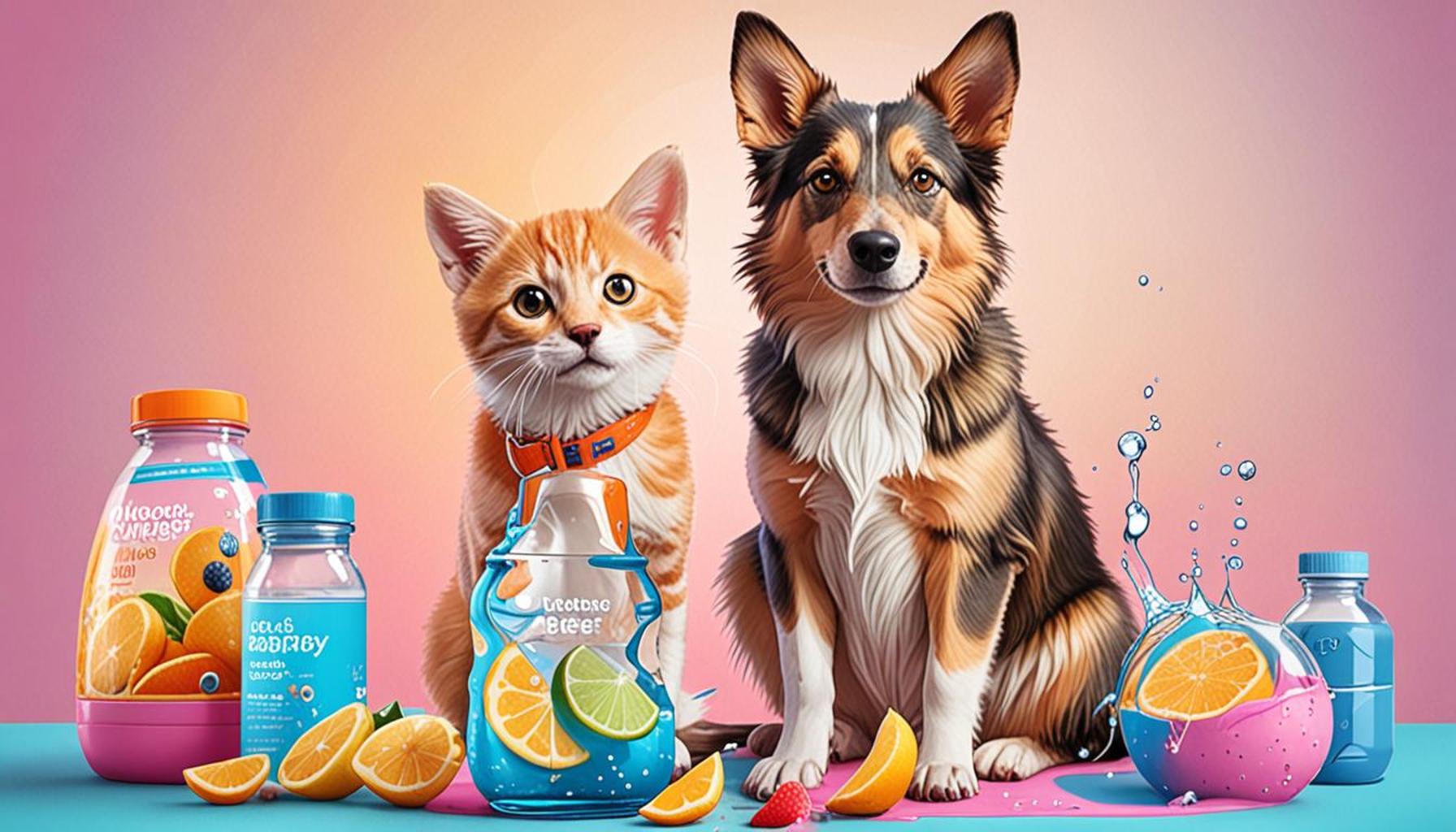
Furthermore, the best way to encourage hydration might vary from pet to pet. Some pets may prefer a flowing water fountain, while others might enjoy water-rich foods like fruits or specially formulated wet pet food. Adding small amounts of broth to their water or food can make hydration more appealing. For those who travel frequently with pets, portable water bottles designed specifically for animals can ensure that hydration needs are met on the go.
In the following sections, we will share effective strategies that can help ensure your furry companions stay hydrated, keeping them healthy and happy. By taking the time to understand your pet’s needs and adapting their water intake accordingly, you can play a crucial role in their overall well-being.
DIVE DEEPER: Click here to discover the latest trends
Understanding Your Pet’s Hydration Needs
To effectively address hydration in your pet’s nutrition, it is critical to recognize that hydration needs can significantly differ based on various factors. The diversity among pet species, from cats and dogs to rabbits and birds, requires special attention in understanding how much water they need to thrive. In general, pets should consume about 1 ounce of water per pound of body weight daily, but specific requirements may fluctuate based on the factors outlined below.
Recognizing Signs of Dehydration
Before diving into hydration strategies, it’s important for pet owners to identify the signs of dehydration. Recognizing early indicators can make a significant difference in treatment and recovery. Common symptoms include:
- Dry gums or tongue: A quick check for moistness in your pet’s mouth can reveal hydration levels.
- Loss of skin elasticity: Gently pinching the skin will indicate dehydration; if it doesn’t spring back quickly, it’s time to increase hydration.
- Lethargy: A noticeable drop in energy levels can often signal that your pet is not getting enough water.
In addition to these signs, awareness of your pet’s drinking habits is also vital. Some pets may drink less water due to health issues or even simply out of preference. Keeping a close eye on your pet’s water intake can save them from potential complications related to dehydration.
Tailoring Hydration to Lifestyle
As highlighted earlier, a deeper understanding of your pet’s lifestyle is essential in determining hydration needs. For example:
- Dietary Influences: Dry kibble diets require more water intake compared to wet food, which has a higher moisture content. Therefore, adjusting water supply becomes critical if your pet eats dry food exclusively.
- Age Considerations: Young pets are often more active but may forget to hydrate during play. In contrast, older pets may need encouragement to drink, especially if they are dealing with mobility issues or other health concerns.
- Environmental Impacts: In places with hot climates, pets often need access to water more frequently. Cold weather can also pose hydration challenges, as pets may not feel inclined to drink as often due to temperature dips.
With these factors in mind, enhancing your pet’s hydration doesn’t only revolve around providing water but also about creating an inviting environment for them to drink. Experimenting with various types of drinking vessels such as gravity-fed water dispensers or specialized pet fountains may encourage your pet to stay hydrated more efficiently. Furthermore, including hydrating treats such as cucumbers or fish in their diet can enhance their overall hydration strategy.
In the evolving world of pet care, staying informed about hydration plays an integral role in enhancing your pet’s overall wellness and happiness. By paying close attention to your furry friend’s hydration needs and adapting strategies to suit their unique lifestyles, you can help ensure they enjoy a healthier and longer life.
When considering the importance of hydration in pet nutrition, it is essential to recognize that water is a vital nutrient and not just a basic necessity. Pets, like humans, require an adequate intake of water to support key physiological functions such as digestion, nutrient absorption, and waste elimination. Having a well-hydrated pet can lead to enhanced energy levels, improved skin health, and even a healthier coat. Owners often overlook the fact that hydration can significantly affect a pet’s overall quality of life.
One effective strategy to ensure your pet remains hydrated is by incorporating moisture-rich foods into their diet. Canned pet foods, for instance, typically contain a higher water content than dry kibble, which can aid in hydration. Supplementing your pet’s meals with fruits and vegetables that have high water content, such as cucumbers or watermelon, can also promote fluid intake while providing essential vitamins and minerals. These natural hydration sources not only keep your pet healthy but also serve as tasty treats.
Additionally, the availability of fresh, clean water at all times is crucial. Pets may not drink enough if their water bowl is dirty or difficult to access. Consider investing in a pet water fountain that continuously circulates water, encouraging your pet to drink more frequently. Not only does this method provide a more appealing drinking experience, but it also helps stimulate their interest in hydration.
Lastly, it is important to pay attention to your pet’s needs during hot weather or increased physical activity. A pet that is active or exposed to heat may require additional hydration to compensate for fluid loss through panting and perspiration. Ensuring that your furry friend has easy access to water during these times is essential for maintaining their well-being.
| Hydration Strategies | Benefits |
|---|---|
| Moisture-rich foods | Aids digestion and adds fluids |
| Constant access to fresh water | Encourages regular hydration |
| Use of water fountains | Stimulates interest in drinking |
| Monitor during heat/exercise | Prevents dehydration and health risks |
By implementing these strategies, pet owners can play a vital role in maintaining their furry friends’ hydration levels. Partners in health, these methods will not only enhance your pet’s dietary nutrition but also promote overall well-being. With the right knowledge and practices, we can ensure that our pets lead happy and hydrated lives.
DISCOVER MORE: Click here to learn about the benefits of pet diversity for your mental health
Creative Solutions for Keeping Pets Hydrated
Ensuring that your pet remains properly hydrated is more than just providing a bowl of fresh water. Innovative approaches can be leveraged to promote hydration in ways that align with your pet’s preferences and routines. With the broad range of available options, pet owners can adopt strategies that not only encourage drinking but also improve the overall quality of the hydration experience.
Incorporating Hydration into Meals
One effective method to boost your pet’s hydration levels is to incorporate water directly into their meals. Adding water to dry kibble can enhance the texture and flavor, encouraging pets to consume more of their food while also upping their fluid intake. As a rule of thumb, try soaking dry kibble in water for a few minutes before serving. This not only softens the food for easier digestion but also ensures your pet is getting additional moisture.
Furthermore, consider serving homemade meals or slurries that are inherently watery. Recipes using ingredients such as cooked chicken, sweet potatoes, or pumpkin can be blended with water or broth to create a nourishing and hydrating dish. These combinations not only satisfy your pet’s nutritional needs but also keep them hydrated. However, be mindful of the nutrition profile and ensure that the homemade options align with your pet’s dietary requirements.
Leveraging Flavor Additions
If your pet seems reluctant to drink water, flavoring the water may entice them to hydrate more. You can add a splash of low-sodium broth or use specially formulated pet hydration additives that are safe for animals. Some pets may find a hint of flavor more appealing, increasing their desire to drink. It is important to prioritize options that are free of additives and preservatives to maintain a healthy diet.
Using Technology to Your Advantage
The current pet care market offers an array of technology-driven solutions aimed at enhancing hydration. Automated water dispensers and pet fountains are popular tools that keep water aerated and moving, which can encourage pets to drink more. Pets often prefer fresh, flowing water, as stagnant water can lose appeal. These devices can also maintain proper water temperature, which can be especially crucial in warmer climates.
Monitoring Hydration with Smart Devices
For pet owners committed to tracking their pet’s hydration status closely, smart pet water bowls with built-in monitoring systems can provide accurate real-time data on water intake. By connecting to mobile apps, these devices keep owners informed about their pet’s drinking habits and alert them to any concerning changes that may need addressing. Utilizing technology not only helps in ensuring adequate hydration but also promotes a proactive approach to pet health.
Creating a Routine
Establishing a hydration routine can also encourage better drinking habits. Just like feeding schedules, having set times throughout the day for your pet to drink can create a sense of normalcy and expectation. Pairing drinking time with specific activities, such as playtime or after walks, reinforces positive association and ensures your pet receives the hydration they need consistently.
This combination of creative strategies and routine building can go a long way in promoting proper hydration in pets. By acknowledging that hydration is a key component of pet nutrition, owners can effectively implement solutions tailored to their animals, ensuring they lead healthier, happier lives.
DISCOVER MORE: Click here to learn essential puppy socialization techniques
Conclusion: Prioritizing Hydration in Pet Nutrition
In conclusion, hydration is a fundamental component of pet nutrition that every responsible pet owner must prioritize. The health benefits of maintaining optimal hydration levels in our furry companions are profound, impacting their overall well-being, energy levels, and even longevity. While the traditional approach has been to provide access to fresh water, it’s clear that a more holistic strategy is necessary to keep pets adequately hydrated.
By incorporating hydration into meals, enhancing water appeal with flavors, and utilizing technology such as automatic dispensers and smart monitoring systems, owners can significantly improve their pets’ water intake. Creating a structured routine around hydration also reinforces healthy habits, making it an integral part of your pet’s daily life.
As the pet care landscape continues to evolve, embracing these creative solutions not only supports hydration but also enriches the quality of your pet’s life. As you evaluate your pet’s dietary needs and hydration strategies, consider that small changes can yield meaningful results. Remember, keeping your pet hydrated is more than a task—it’s a commitment to their health and happiness.
In exploring these various strategies, pet owners can become informed advocates for their pets’ hydration needs, ultimately leading them to healthier, longer lives. Understanding the importance of hydration in pet nutrition underscores the necessity for ongoing education and adaptation in our approach to feeding and caring for our beloved companions.

Linda Carter
Linda Carter is a writer and pet care expert specializing in pet health, grooming, and wellness. With extensive experience helping pet owners create safe, loving, and enriching environments for their animals, Linda shares her knowledge on our platform. Her goal is to empower readers with practical advice and strategies to ensure their pets thrive and lead joyful, healthy lives.