The Influence of Diet on the Skin and Coat Health of Pets
The Role of Nutrition in Pet Skin Health
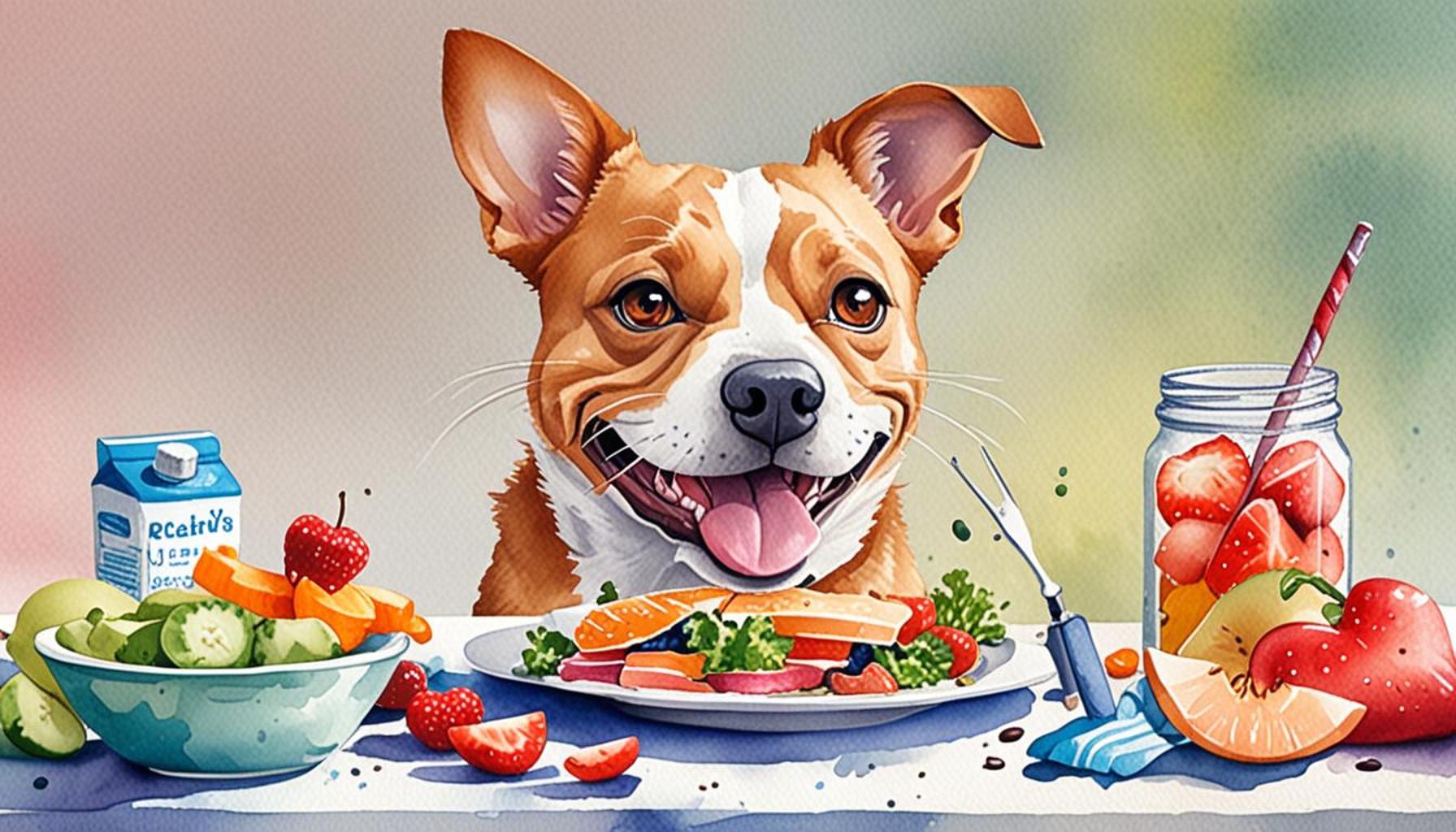
The vibrant glow of a pet’s coat and the softness of their skin are often indicators of their overall well-being. However, diet plays a crucial role in maintaining that health. Poor nutrition can quickly manifest as skin irritations, dryness, or even allergies in pets, leading to discomfort or more serious health issues. Understanding how to effectively nourish your pet can lead to longer, happier lives with fewer dermatological problems.
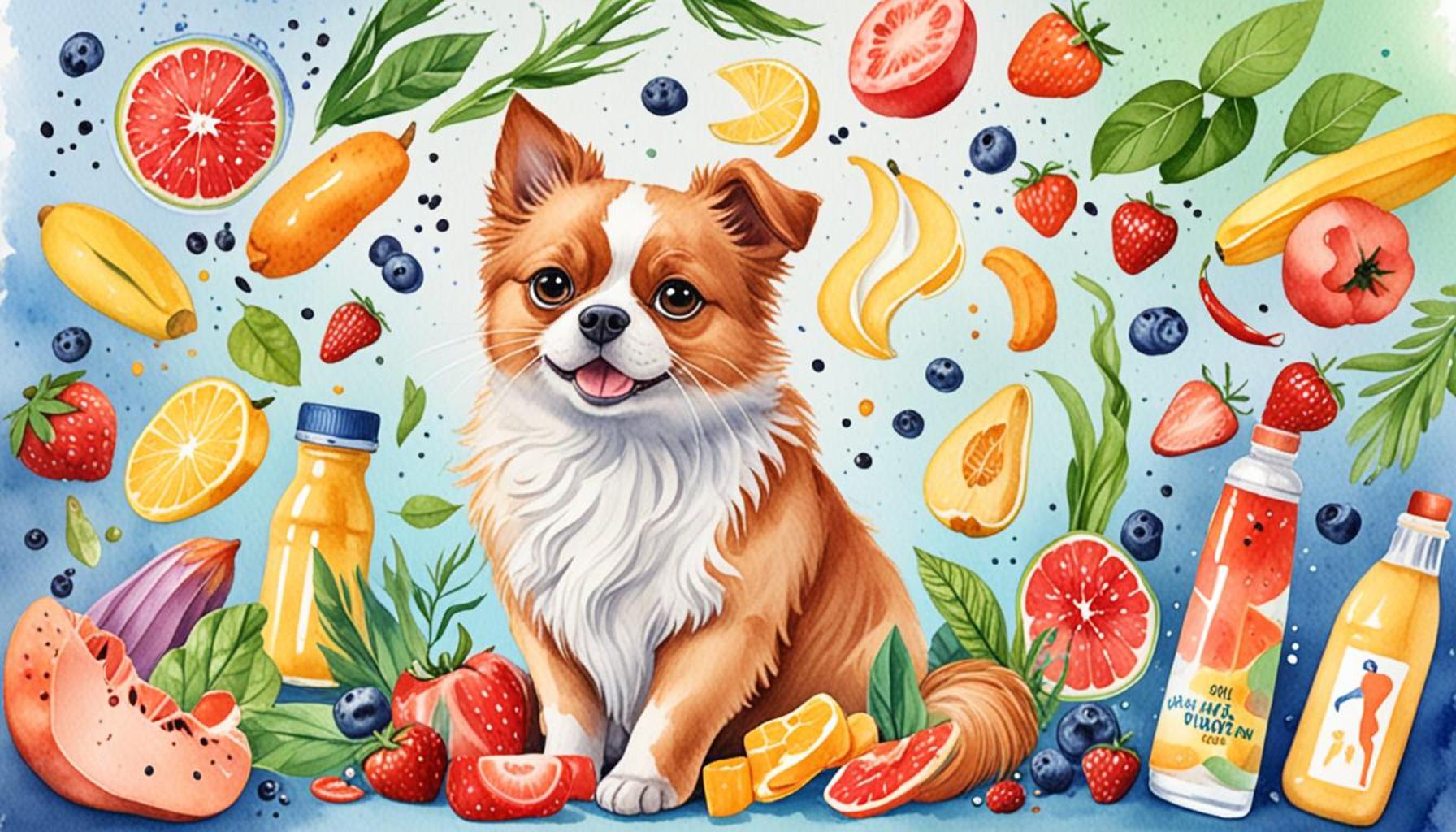
When examining the components of a pet’s diet, several key aspects profoundly influence skin and coat health:
- Omega-3 and Omega-6 Fatty Acids: These essential fatty acids are vital for maintaining skin moisture and integrity. Found in sources like fish oil and flaxseeds, they help combat inflammation, which can lead to conditions such as itchy skin or allergies. For example, incorporating salmon or sardine sources into your pet’s diet can promote a lush, shiny coat and soothe irritated skin.
- Vitamins and Minerals: Nutrients such as Vitamin E and Zinc play essential roles in skin health. Vitamin E acts as an antioxidant, aiding in the repair of damaged skin tissues and promoting elasticity. Zinc is critical for cellular function, and a deficiency can lead to issues like hair loss or dermatitis. Foods enriched with these vitamins, such as sweet potatoes and leafy greens, can enhance your pet’s overall skin condition.
- Protein Quality: High-quality proteins are fundamental for healthy hair growth and skin resilience. Proteins provide the building blocks for hair follicles; thus, a diet rich in protein, including chicken, lamb, and beef, ensures the growth of a vibrant coat. Low-quality protein sources can result in weak hair and poor skin health.
Many pet owners might overlook these elements, not realizing how specific ingredients can lead to visible changes in their furry friends. For instance, diets low in essential fatty acids can yield a dull, flaky coat, while balanced diets can enhance shine and texture. Moreover, allergies are often exacerbated by fillers and artificial ingredients in commercial pet foods. Awareness of these ingredients can significantly alter a pet’s dermatological outcome.
Furthermore, the link between diet and skin health is not merely limited to what is added but also what is avoided. Artificial colors, flavors, and preservatives in pet food can irritate sensitive skin, triggering reactions or flare-ups. Selecting whole, natural ingredients can further reduce the risk of these adverse effects.
Exploring the intricate relationship between diet and skin health can empower pet owners to make informed choices. By understanding the connection, they can foster better care practices for their beloved companions, ensuring their skin and coat remain healthy and vibrant. With a little research and attention to ingredient quality, pet owners can potentially improve their pets’ quality of life significantly while enjoying the process of feeding them right.
EXPLORE MORE: Click here for expert puppy socialization tips
Essential Nutrients for a Healthy Coat
While it’s tempting to think that a good bath and regular grooming are enough to keep your pet’s skin and coat in peak condition, nutrition is the foundational pillar of skin health. The right diet not only contributes to a lustrous coat but also fortifies the skin’s barrier against irritants and allergens. So, what exactly are the essential nutrients that every pet’s diet should include?
- Fatty Acids: Beyond Omega-3 and Omega-6, other fatty acids like Omega-9 also play significant roles in skin hydration and elasticity. These fatty acids encourage a soft, shiny coat and help minimize shedding, a common concern among pet owners. Including a variety of fish sources, such as mackerel, or adding chia seeds can be beneficial.
- Antioxidants: Vitamins A, C, and E work as powerful antioxidants that help counteract damage from free radicals. These vitamins support immune function and skin repair, ultimately contributing to an improvedTexture and color of the coat. Carrots, blueberries, and pumpkin are excellent sources of these nutrients, making them a tasty addition to your pet’s meals.
- Probiotics: The gut-skin connection is an increasingly recognized link in veterinary nutrition. Probiotics support digestion and improve nutrient absorption, which can, in turn, reduce skin irritation and allergies. Including yogurt or specially formulated probiotic supplements can enhance your pet’s skin health from the inside out.
As dietary knowledge progresses, more pet owners are becoming aware of the importance of ingredient sourcing. Not all proteins are created equal—understanding the source and quality of your pet’s protein can make a significant difference in their skin and coat health. Protein meals derived from healthy animals, such as grass-fed beef or free-range chicken, offer a higher quality of amino acids essential for maintaining vibrant skin and fur.
Moreover, it’s important to recognize the potential impact of food allergies on skin health. Many pets experience allergic reactions to common ingredients in pet food, such as grains or certain proteins. Working with a veterinarian to identify any dietary triggers can lead to a better diet plan, significantly reducing skin irritations and promoting healing. The transition to a diet that excludes allergens may involve trying several different options, including grain-free or limited ingredient formula.
With customized nutrition and a keen awareness of the right ingredients, pet owners can actively participate in nurturing their pets’ skin and coat health. The complexity of nutrition extends beyond just meeting caloric intake; it is about providing quality inputs that deliver essential health benefits. Ultimately, the result is not merely aesthetic; it fosters overall health and well-being, equipping pets with the resilience they need to thrive.
| Category | Key Features |
|---|---|
| Essential Fatty Acids | Promote a healthy coat and reduce skin inflammation. |
| Vitamins A and E | Encourage skin cell regeneration and provide antioxidant protection. |
| Hydration | Maintains skin elasticity and prevents dryness. |
| Protein Sources | Supports hair structure and growth with high-quality proteins. |
A well-balanced diet plays a crucial role in maintaining the overall skin and coat health of pets. Essential fatty acids, particularly Omega-3 and Omega-6, are critical for minimizing skin issues and promoting a shiny coat. These fatty acids help to modulate the inflammatory response in skin, which can lead to reduced itching and irritation.Moreover, vitamins—including A and E—are vital for skin cell regeneration and providing antioxidant protection, which fights against oxidative stress. This not only enhances the skin’s durability but also keeps it looking vibrant. Hydration is another essential aspect. Adequate water intake is necessary for maintaining skin elasticity. Dehydration can lead to dry, flaky skin, making it more susceptible to irritations and infections.Lastly, protein sources are paramount. They form the building blocks of hair and support the structure and growth of a robust coat, ensuring your pet remains healthy and looking their best. A deeper understanding of the intricate relationship between diet and skin health can lead pet owners to reconsider their pets’ dietary choices for better overall wellbeing.
LEARN MORE: Click here for essential puppy socialization tips
The Role of Hydration in Skin and Coat Health
The significance of hydration cannot be overlooked when discussing the influence of diet on your pet’s skin and coat health. Just as with humans, hydration plays a critical role in maintaining physiological functions, including skin integrity. A well-hydrated body helps ensure that the skin remains supple and resilient, capable of warding off irritants and infections.
Water influences the entire bioresonance of the skin, aiding in barrier function and reducing the risk of conditions like dry skin and flakiness. It is essential to provide access to clean, fresh water at all times, especially during warmer months or after exercise. In addition to maintaining hydration, a diet that incorporates water-rich foods—such as fruits and vegetables—can further support your pet’s hydration level. Items like cucumbers, watermelon, and zucchini not only help keep pets moist but also provide vital vitamins and minerals, enhancing overall coat health.
Specific Dietary Ingredients That Boost Skin and Coat Health
Beyond the essential nutrients previously mentioned, there are particular dietary ingredients that can significantly impact skin and coat health. A prime example is kelp, which is rich in essential trace minerals and vitamins. Kelp contains omega-3 fatty acids, known to reduce inflammation, and promote healthy skin and fur. Adding kelp powder to your pet’s meals can act as a natural supplement, improving coat texture and luster.
Eggs are another underrated superfood for pets. Rich in protein and packed with biotin, they play a vital role in the repair and renewal of skin cells. Biotin specifically helps in preventing flaky skin while promoting hair growth, making it an excellent inclusion for pets struggling with coat issues.
- Fish Oil Supplements: Apart from being a source of omega fatty acids, fish oil supplements can help alleviate inflammation and improve skin conditions like dermatitis. Many pet owners have reported improved coat quality and a reduction in skin itching after incorporating these supplements into their pet’s diet.
- Glucosamine and Chondroitin: While primarily recognized for joint health, these compounds also contribute to skin health by reducing inflammatory responses and promoting the maintenance of skin integrity.
Dietary Shifts Based on Age and Breed
Understanding that a pet’s age, breed, and even lifestyle can affect its nutritional requirements is imperative for optimal skin and coat health. For example, older dogs may benefit from increased fatty acids and certain antioxidants, which could improve skin elasticity and reduce the dryness often experienced as they age. Breed-specific diets can also play a role; certain breeds are predisposed to skin issues and may require unique nutrition plans tailored to mitigate these risks.
Conducting thorough research on breed-specific health risks can empower pet owners to make informed choices about their pet’s diet. Additionally, consulting with a veterinarian can help you determine if there are any specific dietary adjustments needed to address skin concerns effectively.
The conversation around diet and skin health extends beyond basic functions; it dives into a world where proper nutrition can lead to vibrant coats, healthier skin, and overall improved quality of life for pets. By taking a proactive approach to your pet’s dietary needs, you can ensure they thrive both inside and out.
DON’T MISS: Click here for must-have pet gear
Final Thoughts on the Impact of Nutrition on Pet Skin and Coat
In conclusion, the profound connection between diet and the skin and coat health of our beloved pets cannot be overstated. A well-rounded diet rich in essential nutrients such as omega fatty acids, proteins, and vitamins plays a vital role in maintaining not just the aesthetic appeal of their coats but also their overall well-being. Through a strategic selection of ingredients—ranging from hydration-rich vegetables to beneficial supplements like fish oil—pet owners can effectively address a variety of skin issues and enhance their pet’s overall health.
Moreover, the understanding that dietary needs can shift according to factors such as age and breed highlights the importance of personalized nutrition for pets. This tailored approach empowers owners to combat breed-specific health risks while accommodating the unique lifestyle requirements of their furry companions. Regular consultations with veterinarians can further clarify what adjustments may be necessary over time.
As we embrace the idea that proper nutrition is fundamental to our pets’ health, we open the door to potential improvements in their quality of life. By prioritizing a balanced diet that focuses on skin and coat health, pet owners can cultivate a relationship with their pets that thrives on vibrancy and vitality. In the ever-evolving world of pet care, understanding the influence of diet remains crucial—after all, a healthy pet is a happy pet.

Linda Carter
Linda Carter is a writer and pet care expert specializing in pet health, grooming, and wellness. With extensive experience helping pet owners create safe, loving, and enriching environments for their animals, Linda shares her knowledge on our platform. Her goal is to empower readers with practical advice and strategies to ensure their pets thrive and lead joyful, healthy lives.