Creating a Pet-Friendly Garden: Safe Plants and Outdoor Care Tips
Welcome to Your Pet’s New Playground
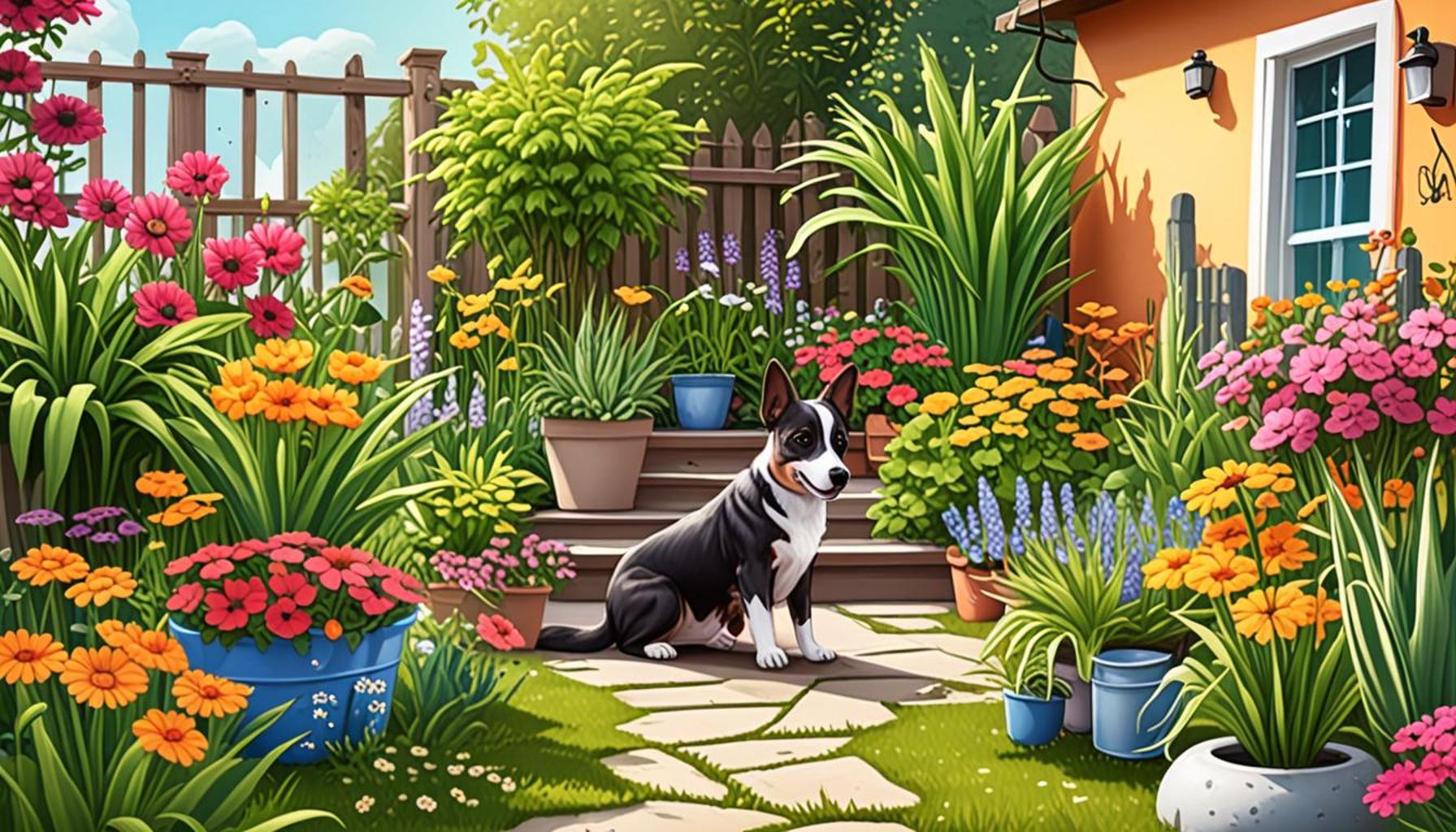
Designing a garden that is both beautiful and safe for your furry companions is an exciting challenge. A pet-friendly garden allows your pets to roam freely without the concern of hazardous plants or harmful chemicals. With the right choices, your garden can become a sanctuary for both your pets and the flora you cherish. Creating such a tranquil haven requires careful planning, creativity, and awareness of your pets’ natural behaviors and needs.
Key Considerations for Your Pet-Friendly Garden
When creating an outdoor space that accommodates pets, it’s essential to focus on several critical elements:
- Safe Plants: Choosing non-toxic vegetation is paramount. Common pets like dogs and cats are known to nibble on plants, so it’s important to select varieties such as petunias, sunflowers, and snapdragons, which are safe for curious snouts. Conversely, be wary of toxic plants, such as lilies, azaleas, and foxgloves, which can cause severe reactions in pets when ingested.
- Natural Pest Control: Implement organic methods of weed and insect control to protect their health. Using diatomaceous earth and companion planting can deter pests without the need for harsh chemicals. For instance, planting mint can help repel aphids while providing your pets with a delightful scent to enjoy as they play.
- Secure Fencing: Ensuring your garden is enclosed is crucial for both pet safety and peace of mind. A sturdy fence not only keeps your pets contained but also prevents neighborhood strays or wild animals from entering your space. Consider options like wooden or vinyl fencing that is tall enough to deter jumping pets.
As you plan your garden, consider incorporating a mix of textures and scents that will engage and delight your pets. Think about gravel pathways or soft grass to provide different textures underfoot, making exploration enjoyable for your furry friends. Install sensory plants like lavender or catnip if you have felines; these plants are not just safe but can provide added stimulation and comfort for your pets.
Research shows that many common household plants can pose significant risks to pets. Therefore, knowledge is your best ally in creating a vibrant yet safe outdoor environment. Take the time to familiarize yourself with safe gardening practices and the importance of maintaining a chemical-free environment. Engaging with resources from organizations such as the ASPCA can provide vital information on pet-safe gardening.
Join the Trend of Responsible Gardening
This guide will provide you with insights on selecting safe plants for pets and tips for maintaining your garden. By making informed choices, you can create a landscape that not only showcases your horticultural skills but is also a joyful space for all family members—two-legged and four-legged alike. Embrace the journey of creating a pet-friendly garden that nurtures a harmonious balance between nature and animal companionship. Together, let’s transform our outdoor spaces into vibrant playgrounds that are safe, engaging, and beautiful.
DON’T MISS: Click here for a must-have checklist
Choosing the Right Plants for Your Pet-Friendly Garden
One of the most vital steps in creating a pet-friendly garden is selecting safe plants. While certain plants add beauty and charm to your outdoor space, others can pose serious health risks to your pets. Research indicates that a number of common garden plants can be toxic to animals, leading to anything from mild digestive issues to severe symptoms that could require veterinarian attention. Familiarizing yourself with the list of pet-safe plants can significantly reduce these risks and enhance your garden’s aesthetic.
When considering plants, here are some safe options that can flourish while keeping your pets happy:
- Petunias: These vibrant flowers come in various colors and are non-toxic to pets, making them a popular choice for cheerful gardens.
- Sunflowers: Tall and striking, sunflowers are safe for your pets to nibble on and have the added benefit of attracting bees and butterflies.
- Snapdragons: With unique shapes and colors, snapdragons provide a playful visual appeal and are also safe for curious animals.
- Marigolds: Not only do they deter pests naturally, but marigolds are safe for pets and add lively color to your garden beds.
- Basil: This culinary herb is not only safe for pets but can also be used in your kitchen, bridging the worlds of gardening and cooking.
On the other hand, it’s equally important to steer clear of plants that are hazardous to pets. Some common toxic plants include:
- Lilies: Particularly harmful to cats, ingestion can lead to kidney failure.
- Azaleas: Just a few leaves can cause significant gastrointestinal distress for pets.
- Foxgloves: Known for their beauty, they can cause serious heart issues if consumed.
- Chocolate Plant: As the name suggests, the poisonous components present in this plant can be lethal to dogs and cats.
Understanding the variety of plants that are safe versus those that pose dangers is a critical part of your gardening journey. Engaging with educational materials and resources about non-toxic gardening practices, such as those offered by organizations like the ASPCA, can equip you with the knowledge needed to provide a safe garden environment.
Creating Enrichment Zones for Exploration
Beyond the choice of plants, the layout of your garden can significantly enhance your pets’ experience. Consider implementing features such as shady spots for resting, water features to attract playful behaviors, and different terrains like gravel and grass to stimulate your pets’ senses. Not only does this thoughtful design promote exploration, but it also encourages physical activity, ensuring that your pets enjoy a fulfilling outdoor experience.
As you venture into this creative process, remember that a pet-friendly garden is all about balance. By wisely selecting safe plants and incorporating engaging features that cater to your pets’ instincts, you’re on your way to crafting a joyful outdoor oasis. Your garden can thrive as a beautiful sanctuary, designed with both aesthetics and pet safety in mind. Embrace the blending of natural beauty with your pet’s well-being to create a harmonious outdoor space that everyone can enjoy.
| Category | Description |
|---|---|
| Safe Plants for Pets | Incorporate non-toxic plants such as snapdragons, marigolds, and petunias, ensuring a vibrant garden that’s safe for your furry friends. |
| Outdoor Care | Maintain a clean environment by regularly checking for harmful weeds and using pet-safe pesticides to protect your garden. |
Creating a pet-friendly garden involves more than just choosing the right plants; it’s about understanding how each aspect can affect your pets’ health and happiness. Selecting non-toxic plants is vital, as many popular garden plants can be harmful if ingested. Moreover, ensuring proper maintenance of your garden not only keeps it aesthetically pleasing but also safe for your pets. Always stay informed about pesticides and fertilizers, ensuring they are safe for animals to avoid any health risks. Additionally, consider adding shaded areas or shelters, as pets enjoy relaxing outdoors but should also have respite from the sun’s heat.Engaging in regular gardening activities, such as weeding and pruning, can further enhance the safety of your space. In doing so, you’ll contribute to a harmonious relationship between your plants and your beloved pets while also enjoying the beauty of a well-kept garden.
DISCOVER MORE: Click here to learn effective cat training techniques
Implementing Safe Outdoor Practices
Creating a pet-friendly garden extends beyond the selection of plants; it involves implementing safe outdoor practices that ensure a secure and enjoyable environment for your furry friends. One essential aspect is using non-toxic garden treatments. Many traditional pesticides and fertilizers may contain harmful chemicals that can poison pets upon ingestion or even through skin contact. Instead, opt for organic and pet-safe alternatives. Look for products that are labeled as pet-friendly or certified organic. This small shift in purchasing choices can significantly enhance the safety of your outdoor space.
Additionally, consider creating barriers or separating certain areas of the yard to protect your pets from garden corners that might be hazardous. For example, designating a section for compost piles, which may attract curious noses but contain materials that could be harmful, is essential for preventing potential health issues. Ensuring that all tools such as lawn mowers, spades, and gardening chemicals are kept out of reach will help minimize accidents as well.
Providing Shade and Hydration
Just like humans, pets need proper shade and hydration during sunny days to avoid heat stress or dehydration. Implementing shady spaces in your garden is crucial. You might accomplish this by planting trees, installing a pergola or gazebo, or utilizing shade sails. Create cozy spots where your pets can rest, sheltered from direct sunlight. This directly leads to enhanced comfort and prevents meltdowns during those hot summer days.
It is equally important to ensure fresh and clean water is consistently available. Consider placing multiple water stations throughout the garden, especially near play areas, to keep your pets hydrated while they frolic under the sun. Consider adding a pet-friendly water fountain, which not only serves a practical purpose but also can enrich your garden’s aesthetics.
Creating Safe Play Areas
Another aspect of pet-friendly gardens is the creation of designated play areas within your outdoor space. Installing a play zone can provide a safe environment for your pets to socialize, explore, and engage in physical activity irrespective of the layout of your entire garden. Consider laying down soft turf or rubber mats to cushion against falls during playtime. Additionally, consider using pet-friendly agility equipment—like tunnels or hurdles—to stimulate both physical and mental exercise. This investment in interactive play gear can lead to happier and healthier pets.
When planning these zones, be mindful of where you place them. Aim for areas that are visible from your home, so you can supervise your pets as they play. This promotes safety and allows for quick interventions if pets decide to investigate anything that should be off-limits.
Regular Garden Inspection
Finally, maintaining a pet-friendly garden includes regular inspections and upkeep. Make it a habit to regularly check for any potential hazards, such as broken or sharp objects, poisonous plants that may pop up, or any holes your pets could escape through. Monitoring your garden’s health will ensure a safe space for your pets to thrive. Investing time into your garden’s upkeep ensures that your outdoor haven remains a joyful retreat for your furry family members for years to come.
DISCOVER MORE: Click here to learn about effective dog training methods
Conclusion
In conclusion, creating a pet-friendly garden is a rewarding endeavor that requires intentional planning and care. By selecting safe plants and implementing best practices in outdoor maintenance, you can cultivate an environment where your pets feel secure and happy. From using non-toxic garden treatments to providing adequate shade and hydration, every small adjustment contributes to your furry friends’ overall well-being.
The establishment of designated play areas, equipped with interactive gear, not only stimulates your pets physically but also encourages mental engagement, enhancing their quality of life. Regular garden inspections will further ensure that any potential hazards are addressed promptly, providing peace of mind for pet owners.
Ultimately, a pet-friendly garden is more than just a landscape; it becomes a sanctuary for both you and your pets to enjoy together. As you embark on this journey, remember that each choice you make influences the happiness and safety of your furry companions. Embrace the process, get creative with your space, and watch as your garden transforms into a vibrant haven that nurtures the bond between you and your beloved pets. For more ideas and inspiration, explore communal gardening resources or consult with local horticulturists to deepen your understanding of pet-safe practices!

Linda Carter
Linda Carter is a writer and pet care expert specializing in pet health, grooming, and wellness. With extensive experience helping pet owners create safe, loving, and enriching environments for their animals, Linda shares her knowledge on our platform. Her goal is to empower readers with practical advice and strategies to ensure their pets thrive and lead joyful, healthy lives.